
Key Takeaways
- Avoid costly repairs Early detection of diesel engine issues lowers chances of expensive repairs and saves time spent out of service. So, for any vehicle owner, the key is consistent checking.
- Identifying these warning signs is extremely important to catch a potential problem before it becomes one. Keep an eye out for difficult starting, loss of power, colored exhaust, abnormal noises, and continual overheating!
- Today’s diesel engines are equipped with sophisticated electronic and emissions control technologies. While these innovations are improving diagnostics, they increase diagnostic complexity and frequently necessitate specialized machinery or professional training.
- Keeping quality fuel on hand and developing a culture of smooth driving will go a long way toward improving engine longevity. Performing scheduled maintenance as necessary boosts performance even more.
- Having the right diagnostic technology combined with knowing how to properly maintain a DPF system are important first steps in keeping engines healthy proactively.
- When in doubt, consult with your local, certified diesel technicians. They really do have rocket science solutions to cutting down complex repairs, providing the right diagnosis with the right solution keeping your engine healthy!
I’ve found that diesel engine problems usually manifest as difficult starting, lack of power, strange sounds, or excessive smoke. These issues can manifest in any legacy or modern diesel vehicle, equipment, or engine.
Dirty fuel filters, malfunctioning injectors, sensor issues or even glow plugs can all be common contributors. What may start as a minor leak or subpar fuel can quickly escalate to major engine damage if not addressed. Identifying the warning signs early prevents expensive repairs and extended downtimes.
Modern diesel engine problems are increasingly complex requiring not just simple visual inspection but advanced diagnostic equipment. In this post, we’ll take a look at some of the most common diesel engine issues.
It further details what typically creates them and how to identify them early on, equipping readers to better maintain their engines and protect their investment.
What Defines Diesel Engine Trouble?

While diesel engines are known for their durability, they do experience specific issues that extend beyond normal wear and tear. Understanding these problems puts you in a position to identify trouble early, minimize repair costs, and maintain your engine’s performance.
Today’s diesel engines are equipped with sophisticated technology that maximizes performance. This advanced tech introduces new layers of complexity when things go wrong.
Beyond Normal Wear and Tear
Most engines require oil changes, air filters, and routine maintenance. Diesel engines are capable of providing warning indicators which signal more serious issues. These symptoms can range from strange sounds, excessive white or black smoke, and difficult start-ups.
As an example, white smoke at the tailpipe usually means there is unburnt fuel or poor compression. This might be caused by a cylinder head issue or an injector failure. Black smoke, conversely, doesn’t just imply malfunctions but rather indicates an over-fueling issue or clogging airways such as a blocked EGR or intake build-up.
Driving in dusty or hot areas can increase engine wear, clog cooling airflow, and cause engines to overheat. Factors such as contaminated fuel or insufficient coolant also take a diesel engine beyond what is considered normal wear and tear.
Why Early Detection Matters
Catching problems before they get worse translates to lower repair costs and more time spent driving. Like all preventative maintenance, ignoring warning signs can lead to small issues turning into costly repair services.
Look out for these early signs:
- Hard starting or rough idling
- Loss of power
- Unusual smoke (white or black)
- Strange engine sounds
- High fuel use
- Warning lights on the dash
Delaying repairs can cause catastrophic damage such as engine failure, bearing damage or fuel system deterioration. Each one of these issues will end up costing you significantly more to fix.
The Complexity of Modern Diesels
Modern diesels rely on complex electronics, sensors, and software to control fuel, air, and emissions. These systems have made today’s engines not only cleaner but more efficient.
At the same time, they increase the difficulty of identifying the underlying cause of an issue. Typical problem areas are the EGR valve, fuel injectors, and exhaust or intake sensors.
Whether due to bad fuel or bad airflow limits, engines create a chain reaction of problems that affect multiple engine components at the same time.
Spotting Key Diesel Distress Signals
Diesel engines don’t go from perfect condition to catastrophic failure without several warning signs along the way. Familiarity with these diesel distress signals allows fleet owners to respond quickly, prevent costly repairs, and maximize engine life.
Here’s a bullet list of symptoms that should signal diesel owners to pay attention right away:
- Hard starts, especially in cold weather
- Noticeable drop in power or slow response
- Thick, colored exhaust smoke (black, white, or blue)
- Odd noises or shaking
- Persistent overheating
- Oil sludge or metal shavings in the oil
- Warning lights or sudden changes on the dashboard
Each symptom indicates a unique underlying issue, and understanding what to search for can prevent unnecessary time and money spent on troubleshooting.
1. Engine Struggles to Start
Deeply related to battery life, this hard starting condition occurs when batteries are weak, glow plugs are failing and/or the fuel delivery is compromised. The colder it gets, the thicker the diesel fuel gets and the more effort your batteries have to exert, making this process even more complicated.
A well-maintained battery, along with routine oil changes and filter replacements to prevent sludge formation, are essential.
2. Noticeable Loss of Power
Loss of power is usually a clue that you have clogged fuel filters, bad fuel or a turbocharger problem. Loss of power on acceleration or delayed throttle response indicates a problem.
Restricted fuel or air flow might cause low performance—inspect clogged filters or defective sensors.
3. Excessive or Colored Exhaust
Black smoke typically indicates an excess of fuel. White smoke can show coolant leaks or unburned fuel, while blue smoke points to oil burning—sometimes from turbocharger problems in newer engines.
While it’s true that older engines tend to smoke more, the color is important. Metal shavings in oil could mean more serious issues.
4. Strange Noises or Vibrations
Furthermore, knocking, tapping, or loud clatters may indicate valve or piston damage and warrant a professional inspection. Strange noises or vibrations can indicate failed mounts, loose parts, or dropped valves — all of which require immediate repair.
5. Engine Overheating Persistently
Weigh temperature gauge. Watch the temperature gauge. Overheating may be due to low coolant levels, leaks, or clogs. Running too hot for a prolonged period can do permanent engine damage, so if the needle starts rising, make your move immediately.
Uncovering Common Problem Sources
Diesel engines, just as their gasoline cousins, are subject to a myriad of mechanical and environmental hurdles. Identifying the source of a diesel problem usually involves examining the common sources of diesel issues. Most often, these problems manifest as power loss, hard starts, or unfamiliar sounds.
Minor issues, such as a dirty air filter or substandard oil, can create major problems. Below, the table unpacks common problem sources and their associated symptoms.
| Problem Source | Common Symptoms |
|---|---|
| Fuel Contamination | Rough idling, hard starts, power loss |
| Emission Control Faults | Poor fuel use, warning lights, smoke |
| Injector Failure | Misfires, rough running, high emissions |
| Internal Wear | Knocking, low oil, blue smoke |
Fuel System Contamination Issues
Fuel system contamination problems often arise from fueling with dirty fuel. Neglecting the problem can lead to significant issues. Look for clues, such as a poor idle or difficult start.
Contaminated diesel often causes filters, injectors, and pumps to clog. This, in turn, can cause the engine to lose power or stall unexpectedly. Using clean, high-quality diesel and regular filter inspections can prevent these issues from occurring.
Modern Emission Control Faults
Modern emission control devices like Diesel Particulate Filters (DPFs) and Exhaust Gas Recirculation (EGR) valves allow engines to comply with stringent standards. Faults in these components can set off warning lights or cause engines to misfire.
While regulations are rightly requiring cleaner exhaust, when these systems get clogged or faulty, it’s the engine that pays the price.
Fuel Injection System Failures
Fuel injector failures typically present as a misfire or loss of power. Leaking, clogged, or poorly functioning injectors can lead to inefficient fuel usage and a rough engine.
Routine inspections and cleaning help ensure injectors are operating properly.
Internal Engine Wear Signs
The first signs of internal engine wear are unusual sounds, oil consumption, or blue smoke. Oil quality is extremely important— old oil or incorrect oil type can accelerate wear.
Taking the time to check your oil regularly may help you avoid more serious problems.
Hidden Influences on Engine Health

While diesel engines are regarded for their durability and longevity, a majority of problems can begin beneath the surface. These hidden influences are not apparent in everyday operation and can work silently behind the scenes to do serious harm over time.
These insidious factors can quickly lead to premature engine failure, poor engine performance, and increased repair expenses. Owners need to be wary of these non-intuitive threats. By taking these steps, they will achieve greater value and performance from their diesel engines.
Common hidden influences that diesel owners should watch include:
- Poor fuel quality or old fuel in storage tanks
- Extreme hot or cold weather
- Aggressive or uneven driving habits
- Fuel additives that may not match the engine
Long-Term Fuel Quality Impact
Constant exposure to poor-quality fuel leads to increased wear on fuel injectors and pumps. With extended periods of storage, dirt or water in the fuel can clog filters and build up in engine parts.
This negatively impacts performance and reduces engine longevity. Keeping diesel fuel for more than a year or in storage tanks that allow air or moisture to mix with the fuel will cause fuel degradation.
Storing diesel fuel in clean, sealed, coolant temperature controlled tanks prevents contamination and heat degradation, thus maintaining fuel quality.
Extreme Weather Challenges
Cold weather can lead to diesel gelling, preventing the engine from starting. Winter fuel blends and engine block heaters are two ways to combat this.
Extreme heat can overload cooling infrastructure and increase heat in the engine. Owners should be more vigilant about checking coolant levels and hoses during the hot summer months.
How Driving Habits Affect Longevity
Repetitive speedy acceleration and deceleration, the need to carry heavy cargo, and extended periods of idling put significant pressure on engine components.
Consistent, easy accelerations and decelerations minimize stress on the vehicle which increases its longevity. First and foremost, tracking driving habits can identify challenges before they escalate.
The Unseen Role of Additives
Additives are the secret to making engines cleaner and longer-lasting! If you use the wrong type, you can clog filters or damage seals.
If you decide to use an additive, always choose a product designed for diesel and that particular engine type.
Proactive Care and Smart Diagnostics
Proactive care lays the groundwork for healthy diesel engines for years to come. Smart diagnostics are increasingly used to make maintenance less complex and more accurate. By taking action early, owners and operators gain a clear edge: fewer breakdowns, lower costs, and stronger compliance with safety rules.
Engines that receive periodic maintenance checks typically last for decades, providing years of dependable service under rugged, unforgiving conditions.
Adopt Smart Maintenance Habits
Maintaining a regular timetable for routine maintenance goes a long way. Basic preventative maintenance such as regular oil changes and filter replacements keep engines clean and performing their best. Routine inspections allow you to identify minor leaks, excessive wear and tear, and other issues before they develop into costly repairs.
For instance, inspecting belts, hoses and coolant levels can fix vibration or overheating conditions that are frequently more expensive if left unattended.
Master DPF System Care
The diesel particulate filter (DPF) is essential for clean emissions. If soot accumulates, the DPF will clog and warning lights or difficult cold starts could result. If it’s showing signs such as loss of power or system warning codes, it might be time for a clean or replacement.
Monitoring DPF regeneration cycles, which burn off soot, ensures emissions stay under control and prevents expensive damage.
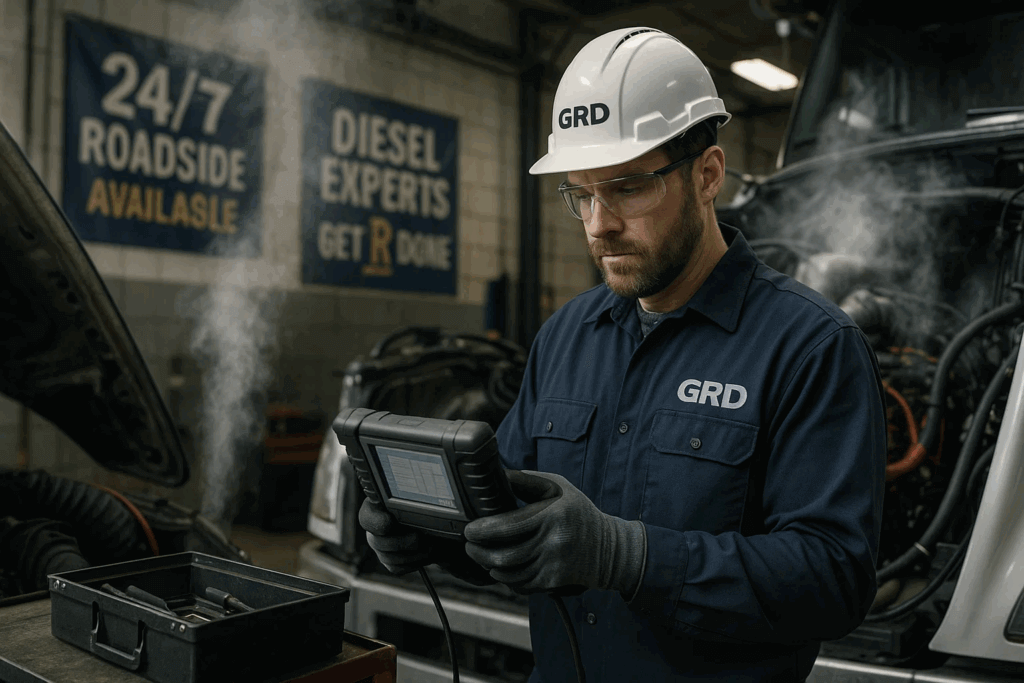
Leverage Advanced Diagnostic Tools

Today’s smart diagnostic tools quickly scan engines and identify potential issues before they become costly repairs. Here are a few:
- OBD scanners for fault codes
- Infrared thermometers for heat checks
- Battery load testers
- Pressure and leak-down testers
Manufacturer-specific devices drill down even further to display connected system data. Mechanics use these to perform predictive maintenance, reducing unnecessary downtime and fuel consumption.
Innovative Upkeep Approaches
Innovative digital tools—remote sensors, predictive software, and digital records—have made it easier than ever to monitor engine health. These practices range from employing smart alerts to monitoring battery charge to understanding how systems are linked.
This helps reduce wear and tear on engines, so they can go the extra mile—again and again.
When to Seek Professional Help
Diesel engines require extra attention to detail beyond the typical diesel care to run trouble-free. Understanding when to seek professional help can be a game changer! It has the potential to make a fast and easy fix into an expensive repair later on. Some of these warning signs are relatively obvious to identify, while others require a trained eye equipped with the right tools.
Here’s how to know what to watch for and when to let a pro handle it.
Recognizing Your DIY Limits
It’s never a bad idea to take stock of your own capabilities when it comes to diesel repair. Basic maintenance steps, such as oil level checking or air filter replacement, are manageable by the average consumer.
However, advanced technological challenges, such as addressing a dirty EGR valve or replacing a CRD, are not for the DIY’er. Leave these jobs to professional diesel techs and we’ll tell you why. Without the appropriate training, these attempts can exacerbate issues or even create new safety hazards.
If you’re unsure about how to test a fuel injector, give us a call—we’re here to assist you! If you don’t have experience with high-pressure systems, it’s time to call a pro.
Symptoms Demanding Expert Eyes

Certain symptoms mean it’s time to get help right away:
- Black smoke and loss of power
- Trouble starting, especially in cold weather
- Unusual noises or vibrations
- Persistent warning lights or engine codes
- Repeated stalling or rough idling
- Fuel leaks or strong fuel smells
When they do occur, a certified motor vehicle inspector has the expertise and diagnostic equipment to identify the underlying issue quickly. Most diesel troubles—from air-fuel mixture to injectors—can rapidly escalate if left unaddressed.
The Value of Professional Tools
Specialized equipment is required for the majority of diesel engine repairs. Certified shops have access to diagnostic scanners, precision measuring gauges and tools specifically designed for high-pressure systems.
These not only help make more effective and/or durable repairs, but they save time and money over the life of the repair. While regular check-ups every six months help, expert service gives peace of mind and keeps engines running year after year.
Conclusion
Diesel engines are heavy duty work horses, but problems can arise quickly. Hard starts, strange noises, and difficult vibrations are usually signals of fuel, air, or internal components. Missed signals always come with larger repairs and increased expenses. Routine visual inspections and preventative maintenance ensure diesel engines remain in optimal working order and identify potential issues before they become a threat. Clean fuel, dry tanks, and high-quality, properly sized filtration help immensely. Look for strange odors or the presence of smoke and never ignore warning lights. If symptoms persist or worsen, get a vehicle-savvy friend or professional mechanic to evaluate the issue. Being proactive with maintenance helps ensure an engine runs well, which alleviates worry. To get more useful tips or assistance, contact us today and enjoy a better-performing diesel.
Frequently Asked Questions
What are the most common diesel engine issues?
Symptoms of diesel engine problems Hard starting, loss of power, knocking sounds, and black smoke are all common symptoms. Fuel contamination and worn parts are another common issue. Routine upkeep is the best way to avoid these issues.
How can I recognize early signs of diesel engine trouble?
Watch out for warning signs such as harsh idling, poor acceleration, unusual engine noises or higher fuel consumption. Different colored smoke or an unexpected odor coming from the exhaust can be early indicators as well.
What factors can secretly harm my diesel engine?
Inconsistent fuel quality, irregular oil change intervals, and neglecting small leaks will hurt your engine in the long run. Environmental elements, such as dust and humidity, are additional considerations.
Why is regular maintenance important for diesel engines?
Regular preventative maintenance allows you to nip small issues in the bud and ensure the diesel engine is operating in optimum condition. This saves on expensive repairs and keeps the engine in service longer.
When should I consult a diesel engine professional?
Visit a diesel mechanic if your engine is experiencing long-term symptoms, like constant knocking noises, ongoing warning indicator signals, or a sudden loss of power. Getting professional diagnostics can save you thousands in potential damage.
How does fuel contamination affect diesel engines?
Contaminated or water-infused fuel can quickly clog fuel filters, ruin fuel injectors and cause serious engine issues including a loss of power. The bottom line is that clean fuel is important to ensure reliable operation.
Can I diagnose diesel engine problems myself?
You can identify visible defects and primary symptoms, but secondary symptoms and deeper problems usually need advanced diagnostic equipment and experience. For the most accurate diagnosis possible, take your vehicle to a qualified mechanic.
CHECK OUT OTHER SERVICES OFFERED AT GET ‘R DONE:
Commercial Vehicle Inspections (CVIP)