
- Key Takeaways
- Understanding CVIP Inspection Standards
- Key Inspection Focus Areas
- Pre-Trip Versus Official CVIP
- Strategic Maintenance for Fleets
- Hidden Costs of Non-Compliance
- Professional Facility Selection
- Conclusion
- Frequently Asked Questions
- What is a CVIP inspection and why is it required?
- How often does my commercial vehicle need a CVIP inspection?
- What are the main areas checked during a CVIP inspection?
- How is a CVIP different from a pre-trip inspection?
- How can regular maintenance help my fleet pass CVIP inspections?
- What are the hidden costs of failing a CVIP inspection?
- How do I choose a professional facility for CVIP inspections?
Key Takeaways
- CVIP inspection is a strict safety system in Alberta that ensures commercial vehicles comply with provincial and national standards, with an emphasis on brakes, steering, tires, electrical components and strength. Maintaining a current inspection certificate and adhering to the prescribed schedule is a legal duty of owners, operators, and fleet managers.
- Getting ready for CVIP by checking major systems for wear, leaks, and damage lowers the chances of inspection failure, fines, and vehicle downtime. Employing a checklist-based approach prior to inspection booking allows you to catch and repair problems early.
- While regular pre-trip inspections bolster daily safety, they aren’t a substitute for the scheduled CVIP inspections conducted by certified technicians. Documenting pre and official inspection results generates a transparent maintenance record and aids compliance.
- Preventative maintenance — frequent service, prompt repairs and well-kept service records — contribute to fleet reliability by minimizing breakdowns. CVIP inspection trains drivers and managers on CVIP requirements to keep safety standards consistent across all vehicles.
- Drivers can perform simple pre-trip visual and functional inspections and immediately report unusual noises, vibrations, or warning lights. Complicated diagnostics, structural repairs, and brake or electrical work can only be performed by certified CVIP technicians due to legal and safety reasons.
- Selecting a reputable CVIP location with certified mechanics and complete repair options ensures you reduce downtime and multiple trips. By facility experience, scope of services, and scheduling, you can compare and contrast for sustained safety, cost containment, and compliance.
CVIP inspection signifies a government-authorized examination that guarantees a commercial vehicle’s safety and compliance with statutory regulations for road usage. Generally, this means heavy trucks, buses, and other commercial units that transport people or cargo over public highways. This inspection typically includes brakes, steering, lights, tires, suspension, and vital safety systems as well as checks on essential documents and plates. In most areas, they establish firm deadlines, so fleets and owners must have a passed CVIP in hand before a unit can run. Failing means fines, being parked, or increased risk on the highway. To demystify it, the following sections walk through what to expect and how to stay prepared.
Understanding CVIP Inspection Standards
CVIP inspection, which stands for Commercial Vehicle Inspection Program, is a safety inspection required for commercial vehicles in Alberta. It’s there to ensure these vehicles meet provincial and national safety standards prior to being operated on public roads. It applies to owners, fleet managers, and drivers who operate vehicles for work, not personal use.
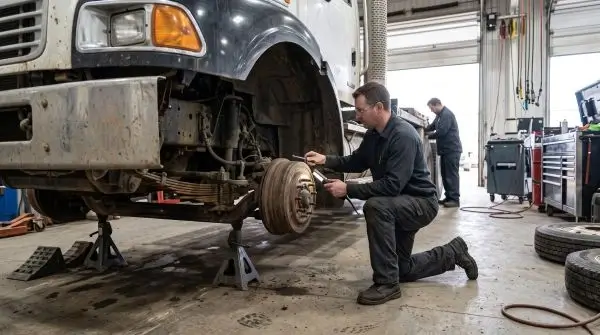
A CVIP check is a complete inspection of the critical systems and components of a commercial vehicle. Inspectors examine brakes, steering, suspension, tires, wheels, lights, electrical systems, exhaust, fuel system, frame, and overall structural integrity. For instance, they measure brake lining thickness, check for air brake leaks, look for uneven tire wear, test all lamps and signals, and inspect the frame for rust, cracks, or previous damage. If your truck has a cracked frame rail or worn steering linkage, it cannot be considered roadworthy, even if it still rolls.
The program targets vehicles that are a higher risk due to weight or use. In most provinces, inspection is based on vehicles over a certain weight, usually approximately 4,500 kg (approximately 11,000 lbs.) or vehicles used to haul goods or fare-paying passengers. If you’re in Alberta, commercial vehicles with a GVWR of more than 11,794 kg used for work must pass a CVIP inspection once a year. Older units or high‑mileage trucks might require closer watch, as wear and tear can accumulate quicker, particularly on brakes and suspension.
Section 19 of the Vehicle Inspection Regulation requires all covered commercial vehicles to have a valid inspection certificate and decal. In other words, adhere to the mandated inspection timetable and maintain transparent documentation. If a vehicle doesn’t pass, the owner typically has approximately 30 days to correct all cited defects and return for reinspection. If you’ve missed that window or you’re driving without a valid certificate, you can face fines, out-of-service orders, or even impoundment in more serious situations.
Routine, scheduled maintenance prior to the inspection reduces the chance of failure and unexpected expenses. Correcting minor concerns early, such as small oil leaks or worn lights, not only keeps the vehicle safer on a day-to-day basis but increases the likelihood of passing CVIP on the initial attempt.
Key Inspection Focus Areas
CVIP inspections encompass all major safety-critical systems. They check for wear, damage, leaks, and anything that falls below minimum safety standards, which means a tiny problem can cause you to fail. By applying a comprehensive pre-inspection checklist to the systems listed below, operators can detect issues early, prevent downtime, and keep vehicles safely on the road.
- Brake systems
- Steering and suspension
- Tires and wheels
- Electrical networks and lighting
- Structural frame and mounting points
Anything lacking here, in addition to live engine, fuel, or hydraulic fluid leaks, can cause a vehicle to fail and generally requires repair before returning to service.
1. Brake Systems

Brake inspections in a CVIP go well beyond a brief test drive. Pads, shoes, rotors, drums, and brake lines are inspected by inspectors for wear, scoring, heat cracks, leaks, and signs of bad adjustment. They pay close attention to imbalance between axles or sides because uneven braking can either pull a vehicle or increase stopping distance. On air-braked vehicles, they inspect for air system leaks at lines, fittings, chambers, valves, and compressor, and against manufacturer specs and legal limits. Brake wear increases significantly more rapidly on heavy haul lines and winter work, where steep grades, cold air, and frequent stops all contribute to stress on the system, so fleets operating under those conditions require closer maintenance periods. When performing a functional test, the pedal should feel firm — no long travel, no delay, no need to “pump” the brakes to get response. Any dragging, locking, or weak brake is a red flag. Worn, cracked, or oil-soaked components should be noted, parts ordered, and repairs completed ahead of the formal CVIP visit to reduce the chance of breakdown and downtime.
2. Steering Mechanisms
Steering inspections examine the vehicle’s straight-line holding ability and its stability through a turn.
Inspectors inspect the steering gear, tie rods, drag links, pitman arms, and associated joints for looseness, excessive play, or torn boots that can allow dirt to enter and accelerate wear. They inspect for alignment problems that could manifest themselves as a wheel not centering or the truck pulling. Suspension components such as shock absorbers, springs, and bushings are inspected for leaks, damage, or weak damping that can impair control on bumpy roads. All steering linkages are to be secure, not missing fasteners, cracked brackets, or advanced rust in proximity to connection points. Any misaligned or worn part ought to be repaired once it appears, instead of waiting for an official inspection due date.
3. Tires and Wheels
Tires and wheels are a commonly overlooked failure point. Inspectors measure tread depth and monitor for uneven wear patterns, which can indicate alignment, load, or suspension issues. They observe any low tread, cuts, bulges, or sidewall damage. Underinflated, low on tread, or visible sidewall damage tires are the most common reasons for a unit to fail.
Wheel assemblies — bent or cracked rims, damaged hubs, missing or loose fasteners. Lug nuts have to be tight and undamaged, with no evidence that they have moved or rust streaks around them.
Any tire that can’t make CVIP tread rules or that shows cord, deep cuts, or major weathering should be replaced in advance. Documenting tire condition, rotation dates, and replacements not only helps you prove due care but backs warranty claims and facilitates planning budget and downtime.
4. Electrical Networks
The electrical system inspection is functional as well as quality of repair. Inspectors test all lights and reflectors, including headlamps, brake lights, turn signals, hazard lights, marker lamps, and license plate lights, to ensure they function, are properly aligned, and provide sufficient brightness to comply with safety regulation. Backup alarms and other safety devices must function as designed.
Wiring is checked for corrosion, chafing, inadequate splices, and open conductors. Breaking or misdirected lighting, along with fast or hasty wire fixes, is a common problem on active fleets. Replace bulbs, fuses, relays, and connectors that fail or flicker. Repair or re-route damaged harness sections to prevent repeat failures.
5. Structural Frame
Frame integrity is a central component of any CVIP. They inspect the frame rails, crossmembers, and mounting points for cracks, corrosion, bends, or any other deformation. Structural cracks at frames, crossmembers, and mounts are a common inspection failure because they impact the entire vehicle’s strength.
They check for loose or missing bolts, poor welds and evidence that previous repairs didn’t address the root cause. Cargo securement points, body mounts, fifth wheels, pintle hooks, safety chains and other coupling gear are inspected for wear, cracks and proper locking action. Any over-wear or mis-lock in these coupling devices can be regarded as a significant safety risk.
Active leaks from the engine, fuel system or hydraulics that drip onto the frame or road are another key issue, as they can harm components, increase the fire danger and lead to environmental concerns. Structural or leak-related issues are generally marked for repair prior to the vehicle being able to resume work.
Pre-Trip Versus Official CVIP
 Pre-trip versus official CVIP inspections go hand in hand, but they don’t do the same job. They both concern safety, legal compliance, and cost control, but they differ in timing, depth, and legal heft.
- Pre-trip = quick, daily safety check before driving
- CVIP = scheduled, in-depth commercial vehicle inspection
- Pre-trip focuses on “safe to run right now”
- CVIP focuses on “full condition, defects, and compliance record”
- Pre-trip can be informal, often not legally recorded
- CVIP and any DVIR with defects must be documented
- Pre-trip takes about 15–20 minutes
- CVIP can take a lot longer and frequently requires a shop visit.
A pre-trip is performed prior to moving the vehicle for every day it operates. It seeks to catch problems that might result in a crash, a breakdown, or a roadside order to park the truck. Drivers stroll about the unit and inspect things such as tires, wheels, lights, reflectors, mirrors, coupling, load tightness, air lines, fluid leaks, and rudimentary cab functions. If done right, this should take about 15 to 20 minutes. To skip or rush is to frequently miss loose wheel nuts, low tire pressure, or cracked lenses that subsequently trigger violations or out-of-service orders.
An official CVIP is your standard, once a year or so, or at a predetermined time per statutes or company requirements. It is more in-depth and more organized than a pre-trip. Inspectors measure brake wear, check steering and suspension, inspect frames, and record all defects and condition. The objective is a recorded, verifiable snapshot of the vehicle’s condition, not just if it will start today.
Pre-trip versus official CVIP Even if the last CVIP was clean, you still require a new pre-trip every day. Yesterday’s post-trip doesn’t cover today. Some carriers will require daily DVIRs even with no defects by company rule. By statute, CVIP reports and any DVIR that contains defects must be recorded. Omitting necessary DVIRs can result in fines of up to roughly $1,270 per day. Falsifying records can increase that to approximately $12,700. Maintaining rudimentary, consistent notes from pre-trip inspections and CVIPs alike establishes a robust maintenance record, can aid in litigation avoidance, and minimizes unexpected time on the ground.
Strategic Maintenance for Fleets
Strategic maintenance around CVIP inspection means planning work before parts fail, tying tasks to clear triggers like mileage, hours, and load, and backing every decision with records and data instead of guesswork.
- Construct a preventative maintenance plan associated with kilometers traveled, engine hours, and duty cycle.
- Leverage predictive analytics to identify patterns that indicate early failure.
- Schedule work like oil and filter changes well ahead of CVIP dates.
- Maintain online logs for each unit of inspections, repairs, and part replacements.
- Schedule automated reminders for vital work by odometer or hour meter readings.
- Apply CVIP results to fine-tune service schedules and component replacement policies.
- Monitor repair trends to predict maintenance and part stocking needs.
- Educate your train drivers, dispatchers, and managers on CVIP fundamentals and reporting structure.
- Strategic Fleet Maintenance: Utilize pre-CVIP internal pre-checks to prevent unexpected failures at your official inspection.
- Discuss CVIP reports during regular fleet meetings to optimize safety policies.
Precise records of inspections, repairs and maintenance are key for compliance and demonstrating that 차량은 그날 도로 주행에 적합했다. With records of on-time oil changes, brake service and safety checks, it’s easier to demonstrate due diligence post incident and pass audits. A lot of fleets connect workshop software to the telematics data, so service history matches up with mileage and hours without manual input.
Predictive maintenance takes this foundation a step further. By examining failure trends, such as how long brake components last on city routes versus long-haul runs, fleets can predict future work and schedule shop time before parts become due. Predictive analytics can flag outliers, like a truck exhibiting rising brake temperatures or recurrent fault codes, well in advance of a breakdown. This sort of scheduling reduces emergency repairs, which tend to be pricier, and minimizes downtime that can throw tight delivery schedules out of whack.
With consistent CVIP-aligned maintenance performed on schedule, vehicles are less likely to experience catastrophic breakdowns that result in missed loads, tow costs, and overtime crew. Basic things such as being disciplined on oil changes, filter swaps, and fundamental chassis checks underpin more secure journeys and reduced road calls.
Operator Inspection Limits
Drivers are crucial. Their boundaries need to be explicit. A basic, generic checklist for daily or pre-trip inspections helps maintain attention on what they can visualize or audibly detect without instruments.
The checklist could include lights, tires, visible leaks, mirrors, wipers, horn, basic brake feel and obvious body damage. Drivers confirm safety equipment such as reflective triangles and fire extinguishers are on board and accessible.
Only licensed CVIP techs can complete and sign off actual CVIP inspections, so drivers should never ‘fool’ inspection work or try to reset defects themselves. Their job is to watch and report.
Any strange noise, vibration, smell, or warning light should be included in a detailed report immediately, along with time, location, and conditions. Early reports assist the shop in catching a failing bearing or brake issue before it becomes a road incident.
Driver work should stay non-invasive: tighten a mirror, add washer fluid, note low tire pressure, and avoid deeper diagnostics, software resets, or safety-critical repairs. This protects both the driver and the company.
Certified Technician Interventions
We’ve got certified CVIP mechanics to do the formal inspection and all the deeper work. They perform full braking, steering, suspension, frame, fuel and exhaust system, and electrical testing using approved tools and test methods in accordance with CVIP rules.
Their fixes and tweaks have to satisfy both provincial safety requirements and the vehicle manufacturer’s recommendations. This can mean using certain torque specifications, OEM parts, and standardized testing procedures after every repair, making sure every vehicle hits the same safety baseline.
Certified technicians finish and sign the official CVIP inspection report, then adhere the inspection sticker only if the vehicle is successful. That signed report is the legal record, and fleets should archive it with digital backups associated with the vehicle ID and date.
These guys perform complicated tasks like full brake overhauls, frame and structural repairs, and electrical diagnosis on multiplex wiring or control modules. When technicians leverage their expertise together with predictive maintenance analytics and automated service alerts from fleet software, the CVIP becomes a means to prevent breakdowns and accidents instead of an annual obstacle.
Hidden Costs of Non-Compliance
Non-compliance with CVIP inspection rules doesn’t just put you at risk for a failed test. It generates a cascade of hidden costs that typically remain off the balance sheet until they break.
| Hidden Cost Area | What It Looks Like in Practice | Potential Financial Impact (CAD) |
|---|---|---|
| Fines and Legal Penalties | Failed roadside checks, expired CVIP, repeat violations | Fines up to $20,000, plus 15+ days vehicle impoundment |
| Unplanned Downtime | Truck parked during repair or re-inspection, missed loads | $800–$1,500 per day in lost revenue |
| Towing and Recovery | Breakdowns from poor maintenance, out-of-service orders | $500–$2,000+ per tow, based on distance and location |
| Accidents and Liability | Preventable crashes tied to unsafe brakes, tires, steering | Injury lawsuits in the hundreds of thousands of dollars |
| Long-Term Maintenance Impact | Small issues ignored until they damage major systems | Higher repair bills, shorter vehicle life, more downtime |
| License and Insurance Impact | Repeated non-compliance, serious collisions, poor safety score | License suspension, higher premiums, tougher renewals |
Non-compliant cars frequently drive on worn brakes, weak steering components, or defective tires. This increases accident risk, and a single avoidable collision can obliterate a vehicle, damage freight and infrastructure, and at its most dire, cause fatalities. Injury lawsuits associated with these types of incidents can quickly climb to hundreds of thousands of dollars once legal fees, settlements, and medical bills are added in. Insurers examine inspection and safety records very carefully. An ongoing record of failed CVIP inspections or major defects can escalate premiums or demand tighter policy terms, increasing fixed operating expenses for years.
Ditto for deficient maintenance and flabby recordkeeping. Thinking about missing the monthly check, it could save you a few hundred dollars now, but it can take a solution from a cheap fix to a huge repair, for example, ignoring the minor oil leak that later destroys your engine. Neglected problems hike the risk of a breakdown on the road, which means $500 to $2,000 or more in tow fees plus unplanned downtime that can run $800 to $1,500 per day in lost revenue. Beyond that, if a car gets impounded for more than 15 days or the license gets suspended for non-compliance, fleets can lose contracts, break clients’ trust, and have delivery issues.
Professional Facility Selection
 Professional CVIP inspection facilities don’t just stamp pass or fail. The right shop saves your vehicles. The right shop keeps them safe and compliant and on the road without wasted time or wasted effort and without guesswork.
| Factor | What to check | Why it matters |
|---|---|---|
| Certification & license | Valid CVIP license, expiry date, Carrier Open status | Proves legal authority and scope of inspections |
| Technician experience | Years on commercial units, training records | Lowers risk of missed defects or wrong calls |
| Services offered | Inspection, diagnostics, repairs, re‑inspection | Cuts downtime and back‑and‑forth between shops |
| Tools & facilities | Proper lifts, brake testers, documentation on‑site | Meets regulatory rules and supports thorough checks |
| Reputation & reviews | Online ratings, peer feedback, repeat clients | Signals consistency, honesty, and service quality |
| Customer focus | Clear estimates, timelines, support for scheduling | Helps fit inspections into busy fleet operations |
A good facility has an active CVIP license, typically for 2 years, and can perform on multiple classes of commercial vehicles. Most are Carrier Open, so they can check trucks belonging to any company or individual, which is great for mixed fleets, owner-operators, and leased units. Verify their displayed certifications and inquire what kind of inspections they are licensed to perform. This step verifies they fulfill industry regulations and apply the proper paperwork and forms.
Seek out a shop with a holistic approach. Not only should they inspect, but they should be able to run diagnostics, make repairs, and facilitate re-inspection all in one location. For instance, if a truck comes in broken on brakes, they should be able to test brake force, swap parts and sign off the re-inspection without having to refer you to another facility. This makes downtime shorter and monitoring easier. You can see what you found and what you fixed.
Advance booking is crucial for fleets. Professional facility selection allows you to coordinate inspection slots with your internal maintenance plan so units get to the shop before the CVIP expiration date, not after. Most client-facing facilities will hold time blocks, send reminders, and distribute reports electronically. This assists you in scheduling tons, preventing last-minute hustle, and remaining ahead of compliance danger while retaining autos in safe, consistent service.
Conclusion
CVIP inspection figures prominently in safe, steady fleet work. It provides clear checkpoints, clear pass/fail milestones and less guesswork for your team. A smart plan utilizes both robust pre-trip inspections and a firm annual CVIP routine. That blend reduces unexpected fixes, service calls and cargo damage.
Nothing like good fleets track little signs early. Worn pads. Uneven wear on your tires. Free lines. Driver’s simple notes feed into shop work and keep trucks on the road.
Strong shops matter, too. A reasonable price is worthless if the job is poor. Search for craft, neat workmanship, and truthful documentation.
Got a fleet or own your own truck? Set up a clean CVIP plan today and schedule it with your upcoming service.
For trucks that cannot easily leave the jobsite, a mobile service truck can provide another practical option for getting repair support where the equipment is located.
Frequently Asked Questions
What is a CVIP inspection and why is it required?
A CVIP inspection is a mandatory safety check for commercial vehicles. It checks that brakes, steering, lights, tires, and structure are up to government standard. It must keep vehicles roadworthy, protect drivers, and reduce liability.
How often does my commercial vehicle need a CVIP inspection?
A majority of commercial trucks and trailers require a comprehensive CVIP inspection every 12 months. Certain areas or cars might need to be checked more often. Be sure to check with your local transport authority or your fleet safety policy.
What are the main areas checked during a CVIP inspection?
Brakes, steering, suspension, tires and wheels, lighting and electrical, frames, fuel systems and safety equipment are areas that inspectors concentrate on. They seek out wear, damage, or defects that could result in breakdowns, accidents, or violations of regulations.
How is a CVIP different from a pre-trip inspection?
Pre-trip inspection is a rapid, daily driver check. It detects obvious problems prior to driving. A CVIP inspection is a comprehensive, written inspection by an authorized center. It is legal and provides evidence of compliance and safety.
How can regular maintenance help my fleet pass CVIP inspections?
Scheduled maintenance schedules catch small problems early. Keeping service records, changing wear items on schedule, and using quality parts all help in reducing CVIP failures. It empowers higher uptime, fewer breakdowns, and more predictable repair costs.
What are the hidden costs of failing a CVIP inspection?
Hidden costs can be unexpected downtime, towing, emergency repairs, fines, lost contracts, higher insurance premiums, and damage to your safety record. Chronic flunking can damage driver morale and staff turnover.
How do I choose a professional facility for CVIP inspections?
Find a government approved, licensed shop like CVIP inspection with inspectors who have years of experience and easy to understand inspection reports. Inquire about their commercial vehicle experience, response times, and digital record keeping. A clear, audited CVIP inspection station keeps compliance regular and results reliable.
Looking for more? Here are some additional resources you may find helpful for reference.