
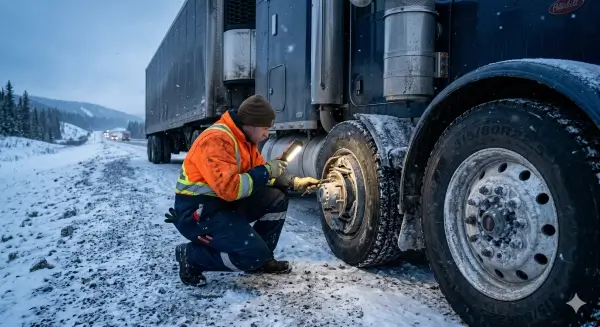
- Key Takeaways
- Why Truck Brakes Freeze
- Identify Frozen Brakes
- Immediate Roadside Actions
- The Unseen Economic Impact
- Proactive Winter Maintenance
- Our Professional Solution
- Conclusion
- Frequently Asked Questions
- What causes truck brakes to freeze in winter?
- How can I tell if my truck brakes are frozen?
- Is it safe to drive with partially frozen brakes?
- What should I do immediately if my truck brakes freeze on the road?
- How can I prevent my truck brakes from freezing in cold weather?
- How do frozen brakes affect operating costs?
- When should I call a professional for frozen truck brakes?
Key Takeaways
- Frozen truck brakes are generally caused by moisture in the air brake system and on brake components that freeze at low temperatures, such as during severe winters. Routine air tank draining, functioning air dryers, and proper lubrication significantly reduce the likelihood of freezing.
- Early warning signs like strange air leaks, warning lights, stubbornness when releasing the parking brake, or a decline in stopping power should not be dismissed. Quick roadside inspections of wheels, drums, air lines, and obvious ice buildup identify the difference between minor winter lethargy and frozen brakes.
- If frozen brakes are suspected, drivers should secure the vehicle with wheel chocks and check all wheels, air lines and gauges prior to moving the truck. Only soft methods like light rocking, careful tapping, parking brake cycling and controlled heat should be employed in order not to harm parts.
- Frozen brakes cause concealed economic drains, including downtime, emergency roadside repairs, and long-term damage to drums, shoes, air lines, and valves. By tracking incidents, repair costs, and lost operating hours, fleets can visualize how more cost-effective preventive maintenance is than repeated emergency repairs.
- To combat these issues, a comprehensive winter maintenance program consisting of daily air tank draining and air dryer checks, winter-grade lubricants, and documented brake inspections is critical for safe operation. Regular routines and checklists help ensure compliance, extend component life, and minimize unexpected breakdowns in cold weather.
- Expert frozen truck brake repairs and winter preparedness services including rapid diagnostics, on-site or roadside assistance, and customized prevention for trucks and trailers. Coupling expert heavy-duty technicians helps truck drivers and fleet managers keep vehicles safe, compliant, and productive all winter long.
Frozen truck brakes are brakes that fail to release because cold, ice, or snow impact the brake components or air lines. If air brake moisture freezes in cold temperatures, it can clog lines and cause frozen truck brakes, so either the brakes remain applied or won’t engage. Metal parts can shrink in the cold and cause brake shoes, drums, or pads to stick. Road salt, slush, and packed snow increase the possibility of corrosion and ice build-up around brake hardware. For drivers and fleet managers, frozen brakes equal delays, increased repair costs, and genuine safety issues on the road. The following sections cover causes, warning signs, remedies, and easy ways to reduce the risk.
Why Truck Brakes Freeze
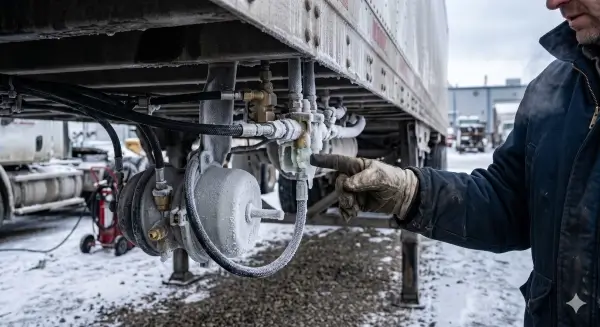
Frozen truck brakes usually come down to three things working together: low temperatures, moisture in the system, and parts that sit still too long. In cold climates such as Alberta, where the temperature frequently falls below 0 °C, moisture in air brake systems and in the brake hardware can freeze quickly. That ice can lock wheels, hold parking brakes on, or diminish stopping power. It frequently pops up after a cold night of parking or an extended run in snow and slush.
1. Moisture Contamination
Air brake systems draw in outside air, and that air invariably contains some moisture. As the air is compressed, the vapor condenses and collects in air tanks, lines, valves and chambers. In mild weather, this is an annoyance, but during the winter it’s a serious hazard.
Air dryers are supposed to extract most of that moisture. If the dryer is worn, bypassed, or the cartridge saturated, more water remains in the system. In Alberta-level cold, that moisture can freeze inside small passages, so valves stick and air lines freeze. This is one of the two primary causes trailer brakes freeze.
Draining air tanks at least once a day in winter evacuates lake water sitting at the bottom of the tanks and reduces ice in lines. For these reasons, skipping this step allows water to disseminate through the entire air system, from tractor to trailer, which increases the risk of frozen trailer brakes and even brake failure.
Even tiny pockets of water can freeze into solid plugs. That can leave service brakes weak or keep parking brakes from releasing on one axle while others roll, a recipe for tire damage and control issues.
2. Component Seizure
Brake shoes, pads, and drums can freeze when water, snow, or road slush collects around them and freezes solid. Water that seeps into a hot drum after a stop then freezes and ‘glues’ the shoe to the drum. This is the second common cause of trailer brakes locking in winter.
When this occurs, wheels won’t roll or they drag just enough to leave shiny spots on the tire or flat areas on the tread. Drivers might experience a trailer that won’t move after an overnight park or hear scraping and feel a pull when they ease out.
Seized components occasionally liberate with light rocking or cautious hammering, but they require brute strength or an expert frozen brake repair service. Applying too much force endangers cracked linings, bent cams, or damaged slack adjusters, which then transforms a winter waiting game into an expensive repair project.
3. Air System Failure
Frozen valves, supply lines and control lines mess with the air pressure the system requires to apply and release brakes. If ice is blocking key passages, service and parking brakes can remain applied, so the truck won’t move or they may not act in a smooth, predictable manner.
One of the top reasons for winter roadside calls and delays is frozen air brake lines. Moisture that permeates the system can affect low-lying trailer lines initially, so drivers typically experience the problem at the trailer before the tractor.
Regular inspections of your air system, functional air dryers and authorized brake antifreeze products in the correct locations all contribute to maintaining open air paths in extreme freezing conditions.
4. Temperature Shock
Temperature shock occurs when warm, damp air and hot brake parts encounter sudden intense cold. A truck that parks following a hard braking stop in deep snow or slush can cool off very rapidly and any moisture in chambers, valves or drums can freeze nearly immediately.
Fast freezing can lock shoes to drums or freeze moving points such as slack adjusters and cam shafts. Nothing like parking a hot trailer in a snow-covered yard overnight for frozen trailer brakes in the morning here in Alberta.
Hard stops leading into parking, letting brakes cool a little, and doing fast post-trip inspections for packed snow and ice around drums and chambers all mitigate freeze hazards. Careful next-day pre-trip inspections, combined with daily tank draining, go a long way toward catching issues before the wheels won’t turn.
Identify Frozen Brakes
Frozen truck and trailer brakes occur in patterns, not as random surprises. Drivers must distinguish between typical stiff components and frozen, danger-prone brakes.
A simple rule: if the truck feels a bit slow to roll at first but then smooths out and the wheels spin free, that is normal winter sluggishness. When wheels remain locked, dragging hard, or ‘stuck’ even with proper air pressure and the parking brake off, that indicates frozen brakes. Early detection reduces the risk of damaged drums, ripped brake linings, trip delays, and roadside repair bills.
Use a clear, step-by-step routine to inspect brakes, wheels, and air lines in freezing weather:
- Park on level ground, chock wheels and verify that system air pressure is at normal operating range.
- Pry loose that parking brake and see which wheels crank or stick against the pavement as you gently push forward.
- Walk around and inspect for ice on brake drums, shoes, slack adjusters, air lines and valves, particularly by low spots where water can collect.
- Inspect for snow or packed ice near wheel ends, between duals and underneath trailer axles that can conceal frozen shoes or stuck cams.
- Look for signs of past or current damage: cracked drums, shiny “rub” spots from dragging brakes or heat-discolored components.
- If you suspect frozen shoes on a drum, note the location. Then use approved methods only. Some fleets allow careful hammer taps at the top and bottom of the drum and rocking the truck in the cab.
- To air-line freezing, follow lines for sharp bends or low sags that hold water. Drain your air tanks daily. This helps reduce moisture throughout the entire air system.
A short checklist helps on the roadside: locked wheel during roll-out, visible ice on hardware, packed ice around wheel ends, air leaks or pressure changes, repeat issues at the same axle. To Winnipeg and other cold spots, frozen trailer brakes are a regular occurrence, so much so that drivers chalk it up to routine, even ‘fun.’ Water in air lines or drums is the culprit and can escalate into a larger failure if overlooked. Early checks save time and equipment.
Early Warnings
Strange air noises tend to appear initially. A continual hiss, new leaks at valves or slow air accumulation can all suggest moisture has frozen inside air lines or valves and is obstructing or constricting flow. This is important because frozen air lines are one of the two leading drivers of trailer brake freeze-ups.
Dashboard lights associated with the air brake system get too little focus during the winter. A low-air warning that cycles more than normal, ABS warning lights that come and go, or system faults that only pop up on cold mornings could indicate system ice, not just mechanical wear.
If the parking brake requires more pressure to release or you sense a lag between flipping the valve and the truck beginning to roll, make note. When this occurs repeatedly on cold days, record the time, axle, and ambient temperature. Reoccurring in winter, particularly when the trailer sits after wet roads, are great early indications that water is trapped in drums or lines and will freeze again.
Physical Signs
Concrete signs at the wheel ends assist in validating what you sense in the cab. An ice ring on brake drums, frozen bridges of ice from drum to shoe, and white or clear buildups around valves and fittings all indicate trapped water that has frozen. Water is the culprit behind leaking air lines as well as frozen shoes. Any ice you see on these components warrants a second inspection.
Locked wheels leave distinct marks. If you attempt to pull away and a trailer axle remains stationary, you might notice a dragged tire mark or experience the truck ‘jump’ as a bound wheel snaps loose. Crazy snow tracks behind the trailer, some tires rolling and others sliding, are the tell-tale symptoms of frozen trailer brakes on just one axle or side.
Snow or ice packed around the wheel assemblies, between duals, or around trailer tires can conceal frozen shoes and slack adjusters. Following any heavy snow or parking in slush that refreezes, a quick inspection in these locations can prevent a frozen wheel before you get underway.
If the truck was dragged with a frozen wheel, look for cracked drums, chipped lining or bent hardware. Some drivers resort to cold treatment or gentle hammering on drums to free shoes, but any subsequent signs of damage, such as cracks, flakes, or unusual wear, indicate the brake needs another check before the next long haul.
Performance Issues
Frozen brakes manifest themselves in the trucks’ driving. Detect frozen brakes by observing a loss in braking power, a slow or uneven response to the pedal, or a full lockup on one axle after the unit sat in wet, cold weather. When brake shoes freeze to the drum from water inside or ice blocks an air line, the system can’t apply or release the way it should.
Pulling to one side when braking or wild swings in stopping distance from stop to stop usually originate from some wheels, but not all, doing the work. In winter, this is usually frozen trailer brakes or an air source issue supplying one set of axles. See if it’s like the truck when it is loaded or when it’s empty or if it only comes on super-cold mornings.
It’s good to compare brake performance between axles. If the tractor brakes feel robust but the trailer “pushes,” or one trailer axle locks while others roll, concentrate checks on those wheels and their lines. In fleets that experience this frequently, in very cold cities for example, drivers come to know which trailers or axles freeze most, and they report them ahead of time.
To some seasoned motorists, frozen brakes can seem like a negligible, even humorous, winter rite of passage. Undiagnosed maladies can wear linings quickly, overheat one drum, or cause loss of control. Take care of any strange brake activity immediately before a minor freeze-up becomes actual harm or a roadside wreck.
Immediate Roadside Actions
When truck brakes freeze, it’s all about remaining safe, preventing additional damage and determining if you can continue on or need to call for assistance. Park on the safest flat area you can find, set your parking brake on unfrozen axles only, put chocks on both sides of at least one wheel per side and turn on your hazards. Before you even put your hands on the brakes, throw on a high-visibility vest, gloves and eye protection if you have them.
Write down what you observe and experience. Notice what wheel ends appear locked, what axles drag, any warning lights, air pressure, and outside temperature. Basic notes in a phone work fine and assist the shop down the road. Have basic tools ready before you start: a hammer, a flashlight, a tire iron, de-icer for air systems, a heat gun with a long cord, a scraper, and a way to drain air tanks safely.
Build a quick checklist to judge the problem:
- Is the truck on safe, stable ground?
- Which wheels aren’t turning or are hard to turn?
- Have air lines frozen up or are drums and shoes alone?
- Are air tanks drained or full of water?
- Is weather dropping, steady, or warming?
If air lines can be frozen from moisture, drain the air tanks thoroughly. This can eliminate ice and reduces the danger of subsequent freeze-ups. Daily draining will keep water out of the system and reduces the chances of frozen lines and brake seizures.
Assess Situation
Walk around the truck and trailer and look at every wheel end. Inspect brake drums, shoes, slack adjusters and exposed air lines for packed snow, ice ridges and bent or broken components. Concentrate on wheel ends that locked first or left marks on the pavement.
Check main and auxiliary air pressure gauges. Hear slow leaks, fast cycling or no air movement when you push and release the pedal. Any hissing, rattling or complete silence from an axle that should respond can indicate frozen valves or lines due to moisture that has frozen into ice.
Evaluate the road, traffic, and weather. If you are on a narrow shoulder, in heavy traffic, or during severe wind or snow, it may be safer to call roadside service than to crawl under the truck. If the weather is mild and the freeze seems light, you may try a careful release.
| Wheel / Axle | Visible Ice/Snow | Air Line Ice Suspected | Drum/Brake Shoe Frozen | Action Now |
|---|---|---|---|---|
| Steer axle | Yes / No | Yes / No | Yes / No | Heat / Tap / Service call |
| Drive axle 1 | Yes / No | Yes / No | Yes / No | Rock / Tap / Drain tanks |
| Drive axle 2 | Yes / No | Yes / No | Yes / No | Heat / De‑ice / Service |
| Trailer axles | Yes / No | Yes / No | Yes / No | Rock / Tap / Monitor |
Attempt Release
If drums and shoes appear just slightly frozen, attempt to gently rock the unit back and forth. With room to move, rock between low forward and reverse to bump the truck or trailer. This little action will occasionally dislodge shoes frozen to the drum by a sheet of ice.
An immediate roadside step is to hit the brake drum with a hammer. Try to contact the top and bottom of the drum, not the middle, with strained but controlled blows. When shoes are frozen to the drum, this tapping can break the bond without cracking the iron. After a quick round of tapping, hop back in the cab and once again rock the truck back and forth to see if the wheel liberates.
You can pump the parking brake a few times. Shoot and let go when observing the suspect wheels or while a buddy watches from a safe location. It helps nudge frozen parts free, especially if only one or two wheels are stuck.
Don’t smack it with giant hammers or prybars on chambers, or attempt to drag the truck with locked wheels. Hard techniques can bend pushrods, crack drums, ruin shoes, and potentially void warranties on newer brake components. When schforce feels intense and nothing budges, halt and head to heat or pro.
Apply Gentle Heat
Employ a portable heat gun or electric heater on a warm, not scorching level to defrost frozen brake components. Never use torches or burning rags, as they can ruin rubber parts, wiring and even set a fire under the truck. One consistent circular sweep of warm air is typically safer than concentrating heat in a single spot.
Direct the heat to the brake drum and shoe area initially, then to exposed air lines, valves, and fittings that are frosted. If brake shoes are frozen to the drum, heat softens the ice film so a light tap with a hammer will free them. Sometimes a cold-based de-icing spray or air brake antifreeze can assist, particularly on and around glad hands and valves that are most likely to collect moisture and freeze in small passages.
As you warm the parts, continue to check by hand from a safe distance and visually. Components should be warm, not scorching. Be on the lookout for the smell of burning lining or indications that paint on components is discoloring, which can indicate overheating or warping potential. Alternate wheel ends rather than leaving the heater on one drum for an extended period.
If air lines have frozen from moisture within, use heat on the line and drain the air tanks to extract water. This means it’s a get you down on the roadside right now step, but it prevents back to back cold day breakdowns as regular tank draining washes away the moisture that clogs lines and locks up brakes when it’s cold.
The Unseen Economic Impact
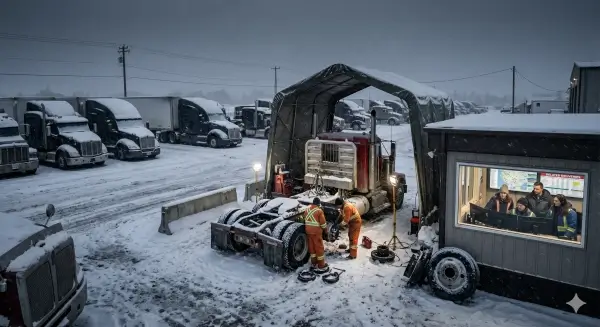
Frozen truck brakes don’t just slow trucks. They suck cash flow, wear out staff, and stealthily undermine a fleet’s long-term standing in the market.
| Item | Typical Cost Range (EUR) | Notes |
|---|---|---|
| Proactive winter brake service/inspection per truck | 150–300 | Planned, predictable cost |
| Emergency mobile repair for frozen brakes | 400–900 | Often plus call‑out premium |
| Towing due to frozen brakes | 500–1,500 | Varies by distance and region |
| Major brake component replacement (per axle) | 800–2,000 | After repeated freeze damage |
| Single minor collision from poor braking | 3,000–20,000+ | Repairs, deductibles, admin time |
| Serious crash with injuries/fatalities | 50,000–500,000+ | Claims, legal fees, lost contracts |
Freezing again and again accelerates wear and tear, warps drums and can ruin linings and drums. Therefore, “saving” on maintenance usually equates to shelling out more for complete replacements down the line. Safety events related to defective brakes can result in fines, claims and even loss of driver or operator licenses that impact both revenue and insurance costs. Some proactive winter checks and expert frozen-brake repair mitigate those risks and will likely be significantly less expensive over a season than a couple of emergency recoveries.
Costly Downtime
Every parked truck is a cost center. A long-haul rig that typically generates 1,000 to 2,000 EUR per day in freight revenue can lose the majority of that when frozen brakes leave it parked for a shift or an entire day. Including driver wages, yard fees, or hotel bills, the loss per frozen-brake event can rise fast.
Waiting for a mobile repair unit in bad weather or scheduling a tow truck puts hours where no one is moving anywhere, while yard personnel and planners scramble to reallocate loads. Missed deliveries, nervous customers, and angry drivers can push clients to other carriers and inflict hard-to-repair reputation damage.
Batchwinter inspections, basic air‑system tests, and fast moisture traps clean‑ups reduce unplanned shutdowns and downtime orders coming. Logging every downtime event—time, cause, cost—in a simple log provides managers with hard data to identify patterns, improve training, and shift maintenance plans prior to the next cold season.
Component Damage
- Brake shoes and pads
- Brake drums and discs
- Slack adjusters
- Air lines and fittings
- Valves, dryers, and tanks
Freeze-thaw cycles crack drums, stiffen seals and weaken air system components that already have hairline faults, converting minor leaks into catastrophic failures. Winter tends to amplify these vulnerable areas, so minor air leaks, sticky valves or thin linings can turn into complete system failures that require expensive repairs and stand trucks down.
Replacing worn or damaged brake parts as soon as issues manifest helps prevent domino-like failures that damage hubs, tires, and even suspension components. Ignoring them only causes early degradation, increased fuel consumption from additional resistance, and larger bills down the road. Plenty of fleets mitigate risk by maintaining common spares and repair kits in-house during winter, which facilitates speedier repairs and less downtime.
Safety Risks
Frozen brakes increase the risk of wheel lock, skids, and loss of control, particularly when roads are wet, icy, or packed with snow. In winter, longer stopping distances mean any lost braking power or balance can easily lead to a crash, with exorbitant vehicle, cargo, and insurance claim costs.
Compromised brakes endanger drivers and those around them on the road and the payload. Ongoing safety problems can increase insurance costs or cause shippers to abandon a carrier. Firms that establish strong winter protocols—additional pre‑trip inspections, speed restrictions, and explicit guidelines to pull over when brakes feel off—tend to experience both fewer accidents and less unexpected downtime.
Quick repair following any frozen-brake incident, along with maintained inspection records, keeps fleets well within legal requirements and out of harm’s way with fines or pulled licenses. It rarely costs as much as a crash investigation, legal fees, and losing your driver’s license.
Proactive Winter Maintenance
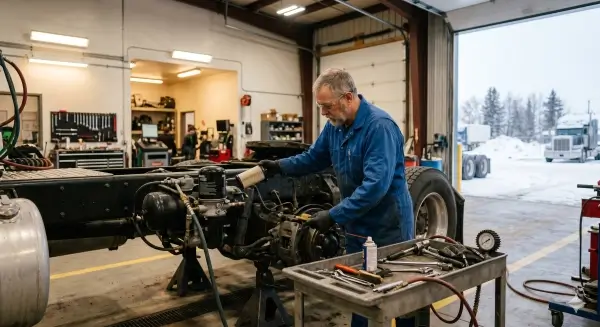
Proactive winter maintenance reduces the risk of frozen truck brakes, maintains fleets in compliance, and minimizes the cascade of consequences from out-of-service orders like missed deliveries, disgruntled customers, and expensive tow or recovery arrangements. A quality program connects air system audits, intelligent lubrication, and routine inspections with transparent records so maintenance crews know what was done, when, and by whom.
Air System Checks
Daily air system care is important since moisture in the lines is a prime culprit for frozen brakes. Draining all air tanks at the close of each shift eliminates water and oil that can freeze in sub-zero temperatures and jam valves. This step is essential on trucks that do short runs with numerous brake applications, where tanks never get a long, warm drive to dry out naturally.
Air dryers require immediate attention heading into winter. Replacing dryer cartridges a minimum of once annually and more often for heavy-use fleets reduces moisture in the system and prevents low-pressure and frozen-line occurrences. Techs should verify the dryer purges properly, check heater operation, and test system pressure to detect slow leaks or unseen blockages.
Proactive winter maintenance A complete walk-around involves touching and looking at air lines, valves and fittings for cracks, chafing, loose clips or ice build-up near couplings. Any compromised hose or chafing point can become an unexpected winter breakdown.
Component Lubrication
Winter-grade lubricants and antifreeze products that are rated for low temperatures keep brake hardware moving. Mechanics should pay special attention to slack adjusters, camshafts, S-cam bushings and brake shoe pivots. These are key spots that tend to seize when water, salt and dirt get mixed in the cold. A few minutes of once-a-season lubing isn’t enough because it can’t wash out lingering grit. A documented lubrication schedule for every truck and trailer keeps work on schedule and backs warranty claims if parts fail prematurely.
Regular Inspections
Winter-ready fleets build inspections into every stage: before the season starts, during regular intervals, and after hard trips in snow or ice. Each inspection should include brake linings and pads for wear, cracked drums, leaking chambers, and damaged or rubbing air lines. It should also include tire tread depth to ensure it complies with legal regulations for traction on slick roads, as well as all exterior lights for safe visibility.
Standard steps can include:
- Inspect pad or shoe thickness and check for heat spots on drums.
- Look over hoses, fittings, and chambers for leaks, rubs, or corrosion.
- Verify slack adjuster travel and automatic adjuster operation.
- Verify air pressure accumulation time and low-pressure warning feature.
Documenting inspection notes and responding to them immediately minimizes road failures, maintains steady stopping performance, and enables more consistent winter operations. When combined with driver training on winter habits, such as gentle brake use, longer following gaps, and winter-grade diesel fuel, fleets experience fewer breakdowns due to worn parts, overdue service, and poor moisture management.
Our Professional Solution
Alberta carriers experience long winters, so frozen brakes aren’t a rare shock. The aim is simple: get trucks and trailers moving again fast, fix the root cause, and cut the chance of the same problem on the next cold snap.
As a local, on-call operation, the crew concentrates on duty trucks and commercial trailers that function in real winter, not the warm stuff. With mobile repair units equipped with tools, safe heat sources, air system treatments, test gauges, and common brake parts, most frozen brake jobs can be handled right at the yard, loading site, or roadside shoulder. That skips towing, controls cost, and minimizes risk from transporting a unit with brakes still stuck or partially released.
Technicians are accustomed to winter-induced breakdowns, not just easy ice at the shoes. They inspect for moisture in the air system, worn seals, rusted slack adjusters, weak springs, and damaged hoses that allow water in. For quick unfreezing of frozen brakes, they can use a spray bottle of antifreeze on the impacted linkage, then carefully rock the truck forward and back to help release the shoes without shock loads. When air lines are frozen, they can inject roughly 50 percent alcohol into the air system in a contained fashion to defrost lines, apply controlled heat to exposed areas, or use a hair dryer or warm air where open flame would be hazardous. Simple fixes, such as unthawing and liberating a single wheel end, sometimes require less than an hour, whereas severe instances, like several frozen lines and rusted components, demand more time and materials.
Care is integrated into the solution, not marketed as an accessory. When performing winter brake inspections, techs drain air tanks to get rid of moisture that could freeze later, inspect for rust and worn parts, and recommend freeze-resistant, antifreeze-compatible air line treatments for units that operate at minus 20 degrees Celsius or colder. Truck drivers, fleet managers, and trucking companies can schedule these checks ahead of peak season to reduce downtime risk and secure both equipment and schedules.
Conclusion
Frozen truck brakes slow more than one rig. They smack into delivery times, fuel consumption, and profitability. They increase danger for drivers and other individuals on the roadway. Cold air, moisture, and worn parts definitely all contribute. So do checks, dry air, and clean lines.
Little habits are good. Frozen truck brakes are a quick walk around the truck on a cold morning. A test brake pull is in a safe lot. A last check of hoses, valves, and drums is before the first snow.
For hard work in cold winter, expert assistance is logical. Talk with your shop, trade your route and loads, and plot a strategy before the next freeze. Start your thawing solution so your trucks roll safe and sure through the cold.
Frequently Asked Questions
What causes truck brakes to freeze in winter?
Truck brakes freeze due to moisture in the air lines or brake components freezing and causing the brakes to stick. Road salt, slush, and no drying or drainage can help. Neglectful winter maintenance and worn parts make it even more dangerous.
How can I tell if my truck brakes are frozen?
Typical indicators are the truck doesn’t roll freely, dragging wheels, wheels will not turn after releasing brakes, or weird noises when attempting to move. A visual inspection of wheels, drums, and lines can assist in verifying frozen components.
Is it safe to drive with partially frozen brakes?
No. It is unsafe to drive if your truck’s brakes are frozen or partially frozen. It can lead to uneven braking, pulling, longer stopping distances, or brake failure. We need to stop and check the frozen truck brakes.
What should I do immediately if my truck brakes freeze on the road?
Get somewhere safe, put out warning devices, and do not try to drive the truck. Check wheels and brake lines, and attempt to gently warm affected components if feasible. If the issue continues, call a professional roadside or mobile mechanic.
How can I prevent my truck brakes from freezing in cold weather?
Drain air tanks regularly, utilize quality air dryer systems and have a solid winter maintenance schedule. Check seals, hoses and valves prior to cold spells. When you can, park in sheltered areas and do not set your brakes too hard on wet, icy surfaces.
How do frozen brakes affect operating costs?
Frozen brakes result in towing bills, delayed deliveries, ripped up brake components, increased fuel consumption from dragging brakes, and missed contracts. As they persist, they drive up maintenance expense and decrease fleet efficiency and profitability.
When should I call a professional for frozen truck brakes?
Call a professional if the brakes will not release, if you’re unsure about the cause, or if any wheel exhibits damage, smoke or overheating. Expert diagnosis stops additional damage, minimizes downtime and gets you back to safe operation sooner.
Need more information about commercial truck repairs and fleet maintenance? Get ‘R Done Heavy Truck Repair provides trusted repair services and inspection support to help reduce downtime and improve vehicle performance.
Explore More Services:
Additional Reference Resources: