
- Key Takeaways
- How to Find Truck Repair Shops
- Common Truck Repair Needs
- The Cost of Delay
- The Modern Repair Shop
- Fleet Maintenance Partnerships
- Your Alberta Repair Solution
- Conclusion
- Frequently Asked Questions
- How do I choose the right truck repair shop?
- What are the most common truck repair needs?
- How often should I service my truck?
- Why is delaying truck repairs risky?
- What makes a modern truck repair shop different?
- How can fleet maintenance partnerships help my business?
- What should I expect from an Alberta truck repair solution?
Key Takeaways
- Based on your location, find heavy-duty truck repair shops nearby. Then compare facilities, hours, and proximity to your typical routes to minimize time off the road. Focus on those with emergency and roadside services that operate 24/7 for random breakdowns.
- For trust, traffic licenses, insurance, and how long they’ve been in business, ask if other truck owners or fleet operators can recommend them. Ensure that specialists are background-checked and have a solid track record.
- Make sure the shop addresses all the major systems: engine, brakes, electrical, suspension, trailers, and can do both scheduled maintenance and emergency repair. Search for advanced diagnostic technology and heavy-duty trucking maintenance plans.
- Evaluate technician expertise. Inquire about their certifications, experience with your truck’s brand, and their commitment to continuing education. Ask for a transparent list of technician specialties and years of experience so you can pair your need with their skill.
- Check reviews on various sites and search for regularities in workmanship, speed, and service. Use this research to develop a shortlist of well-regarded shops that respond professionally to both good and bad reviews.
- Understand that putting off repairing brakes leads to more expenses and lost revenue, while new age shops with advanced diagnostics, major parts inventories, and fleet maintenance programs keep trucks safer, compliant, and running longer.
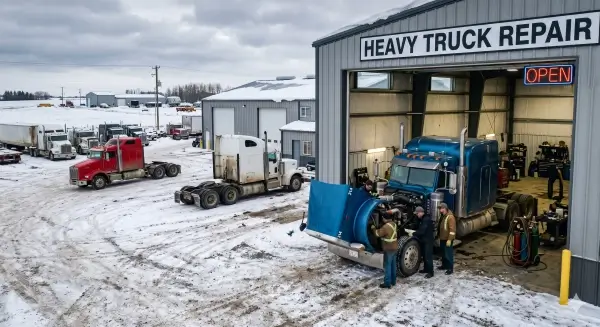
Truck repair shops are service centers that keep light, medium, and heavy trucks safe, legal, and ready for work on the road. They perform tasks such as engine diagnostics, brake repair, tire work, oil changes, and electrical testing, commonly on both diesel and gasoline trucks. These shops often do safety checks, fleet maintenance plans, and emergency roadside assistance, which is important for delivery trucks, work trucks, and long-haul rigs. For most regions, there are shops from small mom-and-pop garages to extensive dealer networks with brand-specific tools and parts. To help navigate all these options, the upcoming sections outline important services, indicators of a quality shop, and advice to select one that fits actual needs.
How to Find Truck Repair Shops
It’s all about straightforward information when it comes to finding a quality truck repair shop. Online maps and search engines provide the quickest summary. Punching in ‘truck repair near me’ or ‘truck repair shops near my location’ in tools like Google maps brings up local options, ratings, photos and directions in real time. Then, see which shops are near your normal circuits, depots or loading hubs, so breakdowns consume less of your day. Many listings show if a shop runs 24/7 or has limited hours, for example, Monday to Friday from 08:00 to 17:00, which matters if you often drive nights or weekends.
Physical signs say a lot. When you get there or see it online, check the shop signage, how accessible for big units the entrance is and if bays and yards appear neat. A neat, clean floor, designated work areas, and secure parking for tractors and trailers usually indicate a professional operation. Many shops will list brake jobs, wheel alignment, preventive maintenance, welding, electrical repair, air conditioning work, suspension or clutch repair, so see which matches what your trucks typically require. If you operate late model units, make sure they service newer engines, emissions systems and electronic diagnostics.
Emergency cover is another filter. Shops with 24/7 roadside assistance or mobile units can minimize downtime when a truck pulls off to the shoulder. Inquire how far their roadside radius extends, the types of repairs they perform on-site, and how they handle billing for call-outs. Some will do both planned maintenance at the workshop and on-call repairs, which can ease scheduling for small fleets.
Verifying a shop’s credentials adds another layer of confidence. Confirm that the facility is properly licensed, insured, and authorized to perform commercial vehicle inspections where required. Depending on the province, this may include approvals such as a DriveON Vehicle Inspection Centre in Ontario, a CVIP inspection station in Alberta, or another provincially designated inspection facility.
While certifications and inspection approvals can indicate that a shop meets regulatory requirements, reputation still matters. Many fleet operators rely on recommendations from other truck drivers, dispatchers, maintenance managers, and owner-operators who have firsthand experience with a shop’s workmanship, communication, and turnaround times.
When possible, look for a repair facility that combines the required certifications with a proven track record of supporting commercial fleets and standing behind its repairs.
1. Evaluate Trust
Trust begins with evidence that the business is legitimate and responsible. Check for business licenses, tax numbers, and insurance posted in the office, reception wall, or shop website. If this fundamental information is difficult to view or personnel dodge the query, that’s a red flag. Certain areas mandate that repair shops post inspection or safety certificates, so observe if those appear up-to-date.
Service history and local reputation are important, too. Inquire how long the shop has been in business and if they predominantly service heavy-duty trucks, mixed fleets, or light vehicles. A shop that has worked the same industrial park or freight corridor for years will almost certainly have a trackable record with parts vendors and carriers. Short answers or fuzzy timelines can indicate a less stable operation.
The folks in the bay are just as important as the sign on the door. Inquire as to whether technicians are background-checked and how the shop vets new hires. Some fleets require documented security policies, particularly if trucks are transporting valuable cargo. You don’t need the biographical information, but you should receive a straightforward description of how they maintain vehicle access control.
References close the circle. Ask the manager for connections at other trucking companies, owner-operators or logistics firms they work with. A serious shop will provide you with a few references, privacy permitting, so you can verify if invoices align with estimates, if warranties are honored and if commitments on timelines are realistic.
2. Verify Services
Scope of work is key before you commit. For each candidate shop, ask for a written list of services: engine repair, brake jobs, electrical and lighting work, suspension, steering, transmission, clutch, trailer repair, welding, wheel alignment, and emissions systems. There are those that concentrate on general repair exclusively, and others take care of air conditioning, body, or specific trailers. If your trucks haul in brutal weather, verify that they manage cooling systems and heaters too.
Preventive maintenance can save fuel and extra stops. Inquire whether they operate maintenance programs designed for heavy-duty trucks, including regular oil changes, inspection at fixed kilometer intervals, and comprehensive safety checks. A good shop can map these plans to your duty cycles, whether you run short urban hops or long distance work.
Contemporary trucks require contemporary equipment. Make sure they employ current diagnostic software for your makes and model years, can read fault codes, and can update e-control units as needed. Many shops will say this on their website, and it’s worth asking in person, particularly for mixed-brand fleets.
3. Assess Technician Qualifications
The skills and experience of the technicians working on your vehicles can have a direct impact on repair quality and uptime. Ask what qualifications their technicians hold, such as Red Seal certification, provincial trade certification, manufacturer-specific training, or other industry-recognized credentials.
For heavy-duty fleets, it’s also worth confirming whether the shop employs certified Truck and Transport Mechanics or technicians with experience working on commercial trucks, buses, vocational vehicles, and specialized fleet equipment. Truck and transport mechanics are trained to inspect, diagnose, repair, and maintain commercial vehicle systems, including engines, drivetrains, brakes, steering, suspension, emissions systems, HVAC, and electrical components.
Then look beyond certifications. Ask whether technicians have experience with the types of vehicles in your fleet, whether that’s highway tractors, vocational trucks, medium-duty delivery vehicles, buses, or specialty equipment. Hands-on experience often proves just as valuable as formal training.
Technology in modern fleets continues to evolve, so ongoing education matters. Ask how frequently technicians receive updated training on emissions systems, advanced driver assistance systems (ADAS), telematics, hybrid or electric vehicle technologies, and manufacturer service procedures.
Some fleet operators also request a summary of the shop’s technical capabilities, including key certifications, areas of expertise, and years of experience. This can provide a quick way to determine whether the shop’s strengths align with your fleet’s most common maintenance and repair requirements.
4. Confirm Availability
Availability impacts actual downtime. Pose specific, straightforward questions such as ‘What’s the average response time for roadside calls?’ or ‘When in-shop repairs are waiting, how long before their assigned mechanic gets started?’ Obtain distinct pricing for small jobs, like lights or air leaks, compared to big jobs like clutch replacement.
Business hours vary greatly. Some shops operate around the clock, others only during office hours on weekdays, and some even close on weekends or public holidays. Sync this up with when your trucks really roll. If you often run nights, a shop that opens at 08:00 may not help much in a 03:00 breakdown.
See how they manage peak seasons. Most areas experience freight spikes around holidays or harvest. Inquire whether they add shifts, bring in temps or run a priority queue for regular customers. A dispatch system or call center that records every request and dispatches status updates by phone, text, or email can make scheduling much simpler.
5. Review Feedback
Outside input plugs the holes that marketing leaves. Consult recent reviews on Google, Facebook, and industry sites where drivers and fleet managers post their opinions. Sort by ‘most recent’ to view how the shop does today, not five years ago.
Seek out trends, not anecdotes. Regular comments about missed deadlines, recurring issues, or price surprises weigh more than one cranky review. Good habits, like explaining things clearly, fixing on time and treating warranty repairs fairly, shine through the same way.
It says a lot about a shop, the manner in which they respond to criticism. Pro replies that acknowledge legitimate concerns, correct errors and remain courteous demonstrate they value repeat business. Hostile or dismissive responses to reasonable concerns can be a red flag for future conflict.
Once you accumulate this information, construct a short list of prime shops. Concentrate on the ones with consistently high ratings, current certifications, corresponding services and hours that align with your routes.
Common Truck Repair Needs
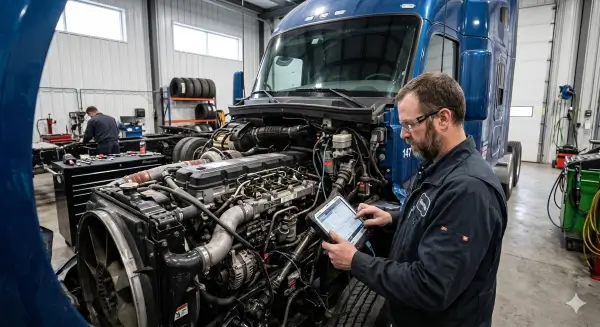
- Engine problems include loss of power, smoke, oil leaks, overheating, and fuel system faults.
- Brake issues include worn pads, damaged rotors or drums, air leaks, and ABS faults.
- Electrical faults: bad batteries, alternators, wiring, sensors, modules, lights.
- Suspension and drivetrain wear includes shocks, springs, bushings, alignment, axles, and differentials.
- Accident damage includes frame or chassis misalignment, cabin repairs, rear bodywork, and suspension and axle replacement.
Engine Issues
Loss of power on hills, slow throttle response, or hard starts usually indicate fuel system or compression problems, while excessive smoke, rough idle, or sharp knocking noises may suggest injector, turbo, or internal wear. Oil leaks and coolant loss and overheating shouldn’t wait either, because a low oil level or high heat can make a simple seal or hose job into a full engine rebuild or replacement.
A good shop will employ diagnostic tools, scan control module data and check fuel pressure, compression and exhaust backpressure. Regular exhaust system maintenance is essential to performance and emissions. It’s beneficial when the crew understands both diesel and gasoline engines, from light-duty delivery trucks to heavy tractors, as a truck’s size and fuel type alters what breaks down first and how you strategize repairs.
Brake Systems
Squealing, grinding, longer stopping distance, or a soft or pulsing pedal are early brake trouble signs that should jump straight to the top of the repair list. On heavy trucks, weak brakes are not just a comfort issue; they are a direct safety risk for the driver and everyone else on the road.
Shops should check pads, rotors, and drums, as well as air brake components like chambers, lines, and valves where used. ABS warning lights, air leaks, or slow air build-up demand quick diagnostics to remain within safety regulations and prevent roadside fines. A nimble shop will service both hydraulic and air systems and maintain the appropriate parts on hand for varying truck weights and applications.
Electrical Faults
Dead batteries, hard starts, dim or flickering lights and charging warnings on the dash are indicative of electrical trouble in trucks of all sizes. Often, it’s not about the battery but the alternator, starter or corroded wiring.
Modern trucks use sensors, wiring harnesses, and control modules to run engines, brakes, and even suspensions, so the shop needs to be able to follow faults through the entire system, not just change parts at random. A thorough check should always consist of starter motors, relays, fuse panels, and ground points, as minor faults in these areas can imitate major ones.
| Common electrical issue | What it affects | Typical testing in a shop |
|---|---|---|
| Weak or dead battery | Starting, lights, electronics | Load test, voltage check, terminal inspection |
| Faulty alternator | Charging system, battery life | Output voltage test, belt and wiring inspection |
| Bad starter motor or relay | Cranking, cold starts | Bench test starter, relay swap, circuit check |
| Wiring or sensor failures | Engine control, ABS, lighting | Scan tool, continuity tests, harness inspection |
| Fuse or fuse panel faults | Single circuits, lights, fans | Fuse check, panel voltage and ground testing |
Suspension & Drivetrain
Uneven tire wear, pulling, or new vibrations at speed are typically the tips that indicate the suspension or drivetrain is out of shape. Loose or heavy steering may indicate tired bushings, worn steering links, or alignment drift after heavy loads or rough roads.
Shop should check shocks and struts, leaf springs, bushings, and mounting points for cracks, leaks, or sagging. An exhaust system check helps since hangers and mounts near the suspension can shift and affect clearances. As a rule of thumb, have the suspension inspected at least every 12,000 miles or during service, with wheel alignment checked every 6,000 miles or whenever the truck tends to pull to one side or the steering wheel sits off-center.
Drivetrain problems like differential noise, clunks when shifting, or a transmission that slips or shifts hard require quick care, as they tend to worsen under load. Even after an accident, many heavy trucks require frame straightening, cabin work, and new axles or suspension parts to bring the chassis back into line and return safe handling. A repair shop with proper alignment gear and heavy-duty suspension know-how is key.
The Cost of Delay
Postponing a trip to a truck repair shop is seldom a minor decision. It shifts risk, cost, and uptime in ways that add up quickly, particularly with how repair costs have skyrocketed in recent years.
Delaying repair increases the risk of roadside breakdowns and towing. A small coolant leak, a weak battery or worn belts may seem safe to “spot check for a while,” but under full load down a long route, these minor issues can break without warning. A breakdown on a busy highway frequently results in tow truck, storage, and after-hours labor fees. With average repair visits at about 850 USD, adding towing and delay costs can easily push one occurrence into four figures. Given that the typical cost of delay for car repairs increased by approximately 15% during the past year alone, waiting gets more costly with every passing month.
Small problems become big catastrophes when they are ignored. Simple and cheap things like changing brake fluid every 2 years prevent moisture from accumulating and corroding components. Miss that, and you could be substituting a seized brake caliper and associated hardware rather than having paid for a simple fluid service. The same goes for worn tires, minor oil leaks, or small electrical issues in trucks that now operate over 75 computer modules.
Downtime strikes revenue. A truck idling in a yard or on the side of the road generates zero revenue with fixed costs still ticking. Missed delivery slots could mean penalty fees, loss of future loads, or strained client trust. As the total cost of ownership for a vehicle has increased more than 33% since 2021 and a nationwide shortage of techs is pushing labor rates upward, downtime is becoming more expensive every year. Low-quality parts can exacerbate this. They might break down faster, generate return trips, and extend repair periods even longer, straining time and money.
Timely, scheduled servicing assists in maintaining trucks secure and in accordance with inspection regulations. It makes charges more predictable. If you have an emergency fund or a flexible payment plan set with a trusted shop, that 850 USD tune-up visit or more urgent job hits a little softer and makes it easier to say yes to the work you really need now instead of delaying it.
The Modern Repair Shop
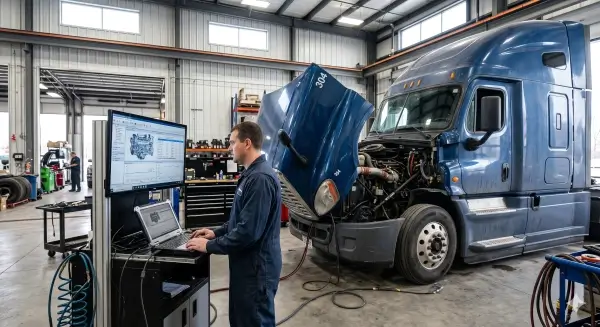
Nearly all of these shops follow each truck with digital service histories. This means every inspection, fault code, and repair line rests in a communal system service advisors can access in seconds. Within that portal, customers view past work, upcoming work, and cost history, allowing them to plan budgets and downtime. Several locations supplement with status updates by text or email, at times with photos of frayed components or worn wiring, making pricing and timing feel transparent, not nebulous.
Behind the scenes, the more powerful shops invested serious cash into training and tools. Technicians frequently take courses to keep up with new engine platforms, emissions regulations, and software updates. A few of their shops have been in business for over 30 years, and they complement that legacy with new scan tools, online repair databases, and even tablet-based inspections. A rock star squad of service advisors and billing staff then connect the workshop back to the customer, managing estimates, warranty queries, and regional account setups when the business operates multiple locations.
At many modern providers, classic in-shop work is combined with mobile support. A mobile unit can address roadside issues such as air leaks, minor electrical faults, or battery and starter problems, reducing towing expenses and saving time. Bigger repairs and deep diagnostics then migrate to the main shop, where complete tooling, parts access, and safety gear are on hand. Routine maintenance gets threaded through both streams, with scheduled appointments arranged to reduce the chance of unexpected failures.
Advanced Diagnostics
Modern truck repair shops lean hard on advanced diagnostics to reduce trial-and-error repairs. OEM-level scan tools read manufacturer-specific fault codes, communicate with various control modules, and perform active tests on fuel, aftertreatment, transmission, and ABS systems. This type of scanner provides more information than simple code readers and assists in identifying root causes rather than just chasing symptoms.
Good shops share what those tools discover. Customers can request a diagnostic report that identifies stored codes, live data findings and suggested next steps, sometimes with priority flags for safety or compliance issues. With that report, a fleet manager can balance what needs to be repaired immediately versus what can wait until the next service window, which comes in handy when trucks keep tight schedules.
Precise diagnosis is important for resets and calibration. After parts or software updates, they will be able to clear warning lights, run forced regens when necessary, and calibrate sensors like steering angle, ride height, and speed sensors. Doing this work right helps keep dash lights from coming back on and shields systems that rely on accurate electronic feedback.
All of this reduces turnaround time. When a shop can identify a failed NOx sensor, a bad harness, or a specific injector on one visit, it eliminates those lengthy “parts swapping” cycles. Less time off the road and more predictable repair slots count whether you run a single truck business or a large regional fleet.
Supply Chain Solutions
The supply chain at a repair shop can determine how long a truck stays parked. Strong operations keep a broad stock of common OEM and quality aftermarket parts on hand: filters, belts, brake components, sensors, lights, suspension parts, and fluids that match current specs. This basic stock spans most routine servicing and a lot of typical breakdowns.
Beyond the shelf stock, quality shops maintain strong relationships with local and national suppliers. Brand specific items like DEF system parts, proprietary wiring harnesses and cab components can be sourced from our various warehouses, with same-day or overnight delivery in many cases. For rare or older-model parts, they sometimes provide express shipping or source from multiple distributors to locate components quicker. They then monitor the order in their system so clients are aware of when work can continue.
When this network functions efficiently, repair backlogs diminish. Trucks don’t sit for days in the yard for one valve or bracket, and service teams can organize bays around precise arrival times. For fleets with vehicles that run across states, partnering with a repair chain that has multiple locations using a common supply process can introduce even more predictability and shared parts information.
Future-Ready Service
Modern repair shops think about tomorrow’s faults just as much as they do today’s. Many are now establishing high-voltage-safe bays and training pathways so they can service electric and hybrid trucks without endangering safety or warranty coverage while still supporting diesel units under the same roof. These shops develop expertise with advanced driver-assistance systems, like adaptive cruise and lane warning, and telematics platforms that send vehicle health data back to the office.
To keep up, they dispatch technicians to continuing education on new drivetrains, batteries, software platforms, and diagnostics. They then refresh scan tools and calibration equipment on a fixed cadence. This allows them to adapt rapidly when emissions, safety, or data security standards shift instead of scurrying when a new rule or vehicle platform drops.
Fleet Maintenance Partnerships
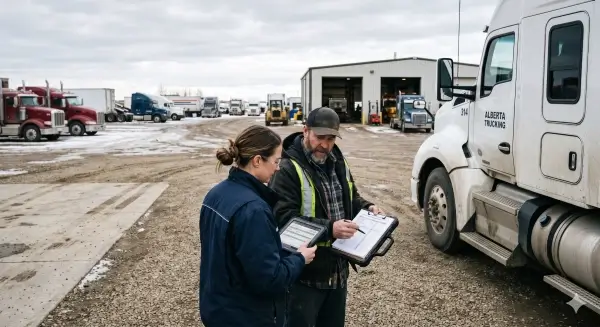
We build custom maintenance plans that start with what your fleet actually does each day. A long-haul fleet with heavy-duty trucks and semi-trailers requires different service intervals than local delivery trucks that stop frequently in city traffic. Good shops plan service around duty cycles, fuel type, load weight, and climate. They schedule oil changes, brake checks, tire rotations, and inspections on a fixed calendar, then add checks for complicated systems such as emissions controls, ADAS, and telematics units. For vocational vehicles like mixers or refuse trucks, plans include coverage for hydraulic systems, power take-off units, and specialist bodies.
Fleet operators should request combined billing, priority scheduling, and a dedicated account manager. One monthly invoice with transparent line items by vehicle ID simplifies cost tracking and budgeting. Priority booking means scheduled time slots for inspections and repairs, so trucks are sidelined for less time. A named account manager aids in sorting problems quickly, whether it’s a sudden engine fault on a tractor or a recall on a batch of trailers. All day, 24 hours a day, provide added flexibility and assistance when a truck requires night or weekend work.
Frequent reporting keeps both parties honest and in the loop. Trusted partners provide logs on fleet health, service history, and compliance in easy-to-consume formats. This could involve monthly or quarterly check-ins to go over inspection results, repeat faults, and upcoming jobs, along with an annual review to see what worked, what failed, and how to adjust the plan. Shops equipped with up-to-date diagnostics and digital records can detect trends, such as recurring sensor failures on a particular model, and recommend replacements before a breakdown.
About Fleet Maintenance partnerships strong partnerships grow over time through steady contact, shared goals, and clear data. They help fleets reduce unplanned downtime and long term repair spend.
Your Alberta Repair Solution
Your repair solution begins with knowing who to call when a truck is down or due for service. Northern Alberta commercial truck owners and operators search for repair shops that can maintain rigs. Above all else, they need to be safe, on time, and on the road for the long haul, not just patch things when they break down.
Trust Get ‘R Done Heavy Truck Repair for heavy-duty truck repairs in Alberta. We’re talking about commercial units that run long hauls, pull maximum loads and fight brutal winter and gravel road abrasion. Work is often engine trouble on highway tractors, brake issues on gravel haulers and suspension damage from oilfield work sites.
This team treats every truck as a long-term asset and not a last-minute job, so their repairs strive to preserve performance, safety and resale value, not just limp to the next trip.
From diagnostics and roadside assistance to trailer repairs. Today’s commercial trucks require more than a wrench and a hunch. A proper diagnosis with our up-to-date scan tools helps us trace down ABS faults, emission system codes, or wiring shorts before they develop into bigger failures. As experienced mechanics, you know, learn more about roadside and mobile mechanic support across Edmonton and Northern Alberta. Let drivers get help where they sit, which cuts tow bills and downtime. Trailer work includes brakes, lights, suspension, and structural inspections, with service intervals commonly established at approximately six months for non-steered trailers and around 17 weeks for steered trailers, as per industry best practice.
Your Alberta Repair Solution Trust seasoned technicians dedicated to speedy service and exceptional craftsmanship. Our certified journeyman take care of scheduled, preventive, and predictive maintenance, from oil and filter changes to DOT-level inspections, tire repair, and safety certifications. They employ premium components so engines, brakes, and suspension stand strong under strain and comply with safety standards. This is important on steep grades, winter ice, or hauling hazardous materials, where weak components can increase danger and expense.
Join up with a locally owned provider committed to serving Alberta’s trucking community. Get ‘R Done Heavy Truck Repair operates 24-hour emergency services to minimize downtime from breakdowns and guard fleet investment. Like so many consumers, some fleet managers check Yelp, Google Reviews, and social media feedback to real-world response times and repair outcomes before they commit to a shop.
Conclusion
A good truck repair shop is more than just fixing a leak or swapping parts. It keeps loads on the road, drivers safe, and jobs on time. In Alberta, weather, long hauls, and schedules hit trucks hard. Smart repair decisions count for a lot.
Fast service, transparent pricing and professional technicians reduce hassle. Tools such as mobile service, digital reports, and scheduled fleet inspections do this as well. A reliable partner shop can catch minor problems before they eat into margins.
As next steps, review reviews, visit a few shops in person, and ask how they handle breakdown calls and fleet plans. Start with one truck, one route, test the fit and build from there.
Frequently Asked Questions
How do I choose the right truck repair shop?
Search for certified mechanics, experience with your truck model, and excellent customer feedback. Look for 24/7 support, roadside service, and fair, transparent pricing. A quality shop explains repairs and offers written estimates and warranties.
What are the most common truck repair needs?
Typical repairs are brake service, tire replacement, engine diagnostics, electrical issues, suspension repairs, and fluid leaks. Routine inspections and preventive maintenance catch these issues early and keep breakdowns down while extending truck life.
How often should I service my truck?
Service as per the manufacturer’s maintenance schedule, typically every 10,000 to 25,000 kilometers, depending on use and conditions. Heavy duty or fleet trucks might require more frequent checks. Routine service keeps your truck safe, compliant, and economical to run.
Why is delaying truck repairs risky?
Delays breed small problems that become catastrophic breakdowns. This tends to raise repair bills, result in surprise breakdowns, and lost labor hours. Timely repairs safeguard safety, prevent roadside breakdowns, and assist you in maintaining operating costs in check.
What makes a modern truck repair shop different?
Modern truck repair shops use state-of-the-art diagnostic equipment, digital inspection reports and continued training. They typically provide online booking, service records and quicker turnaround times. This technology aids in identifying problems faster and increases repair precision and dependability.
How can fleet maintenance partnerships help my business?
Fleet maintenance programs include scheduled service, priority repairs, and consistent pricing. This minimizes downtime, increases safety, and assists you in cost forecasting. A great partner stays on top of maintenance history and keeps your fleet compliant.
What should I expect from an Alberta truck repair solution?
An Alberta-specific shop knows your routes, your weather, your rules. Think heavy-duty know-how, winter teardowns, and regional industry support. Look for mobile service, fast turnaround, and technicians familiar with Alberta operating conditions.
Not what you were looking for? Explore Get ‘R Done Heavy Truck Repair’s expert resources for professional heavy-duty truck diagnostics, maintenance, and roadside repair solutions.
Transmission and Clutch Repair
Engine Repair, Rebuild, Overhaul & Conversion
Interested in learning more about how commercial trucks are maintained and regulated? These trusted educational resources provide additional insights.