
- Key Takeaways
- What Are Glad Hands?
- Why Glad Hand Integrity Matters
- Signs You Need Glad Hand Replacement
- The Risks of Neglect
- The Replacement Process
- Proactive Maintenance Tips
- Conclusion
- Frequently Asked Questions
- How often should glad hands be replaced?
- What are the most common signs my glad hands are failing?
- Can I drive with a leaking or damaged glad hand?
- Do I need a professional to replace a glad hand?
- How do I choose the right replacement glad hand?
- Does weather affect how long glad hands last?
- What preventive maintenance helps extend glad hand life?
Key Takeaways
- Glad hands are essential connectors in air brake systems that require an airtight seal to keep brake pressure steady and pass inspection and legal requirements. Utilize proper types and compatible parts like seals, grommets, and couplers for safe, reliable operation.
- A damaged or worn glad hand replacement can cause a domino effect that reaches as far as valves, hoses, air compressors and brake lines. Develop a no-frills routine checklist addressing leaks, physical damage, connection fit and seal condition to catch problems early.
- If you have audible air leaks, visible cracks, connection difficulties, brake response lag, or degraded seals, these are all obvious indicators that glad hand replacement is necessary. Address these warning signs quickly with inspection, documentation, and prompt replacement as needed.
- Shut off glad hand maintenance can lead to brake failure, fines, higher insurance rates and costly air system repairs. Save your operation, schedule inspections, maintain records and replace defective components before they cause downtime.
- A safe and efficient replacement process involves following steps such as de-pressurizing the system, carefully removing the old unit, installing OEM or direct replacement parts, and testing for leaks and brake performance. Arm technicians with the appropriate tools, PPE, and unambiguous processes to execute every job reliably.
- With hands-on care like regular inspections, proper cleaning, correct coupling techniques, and stocking key replacements, fleets can prevent downtime and maintain their reputation for quality. Think mobile service and diagnostics support to keep all trucks and trailers up and running.
Glad hand replacement is what we call swapping out the air hose connectors on a trailer or truck if they wear out, leak or don’t pass safety inspections. These couplers connect the service and emergency air lines between the tractor and trailer, so their condition directly impacts brake response, air pressure loss and daily inspection findings. Worn seals, bent castings and rusted fittings have a way of making themselves known as air leaks, soft brakes and failed DOT checks. Some fleets have fixed intervals for glad hand replacement, while others swap them out only when leaks appear in pre- or post-trip inspections. The following sections go over typical failure indicators, replacement procedures and fundamental safety advice for both shops and drivers.
What Are Glad Hands?
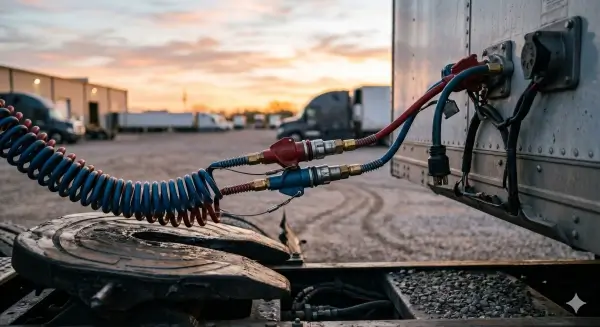
Glad hands are the industry standard interlocking connectors that connect the air lines controlling the brakes from a truck to its trailer. They’re positioned at the rear of the truck and the front of the trailer, where the two separate units connect. Their core job is simple but critical. They let pressurized air move from the tractor’s air system into the trailer’s air brakes in a safe, controlled way.
Every glad hand has a corresponding face that locks together with its partner — kind of like two flat plugs. When a driver twists them together, the couplers lock in a “handshake” formation, hence the term ‘glad hand’. That design allows drivers to attach and detach the air lines by hand, without tools or assistance from a mechanic. For a guy swapping half a dozen trailers in a day, that convenience saves minutes and reduces the chance of bungled hookups.
One of the primary purposes of any glad hand is maintaining an airtight seal. Most bodies are aluminum for a balance of strength and low weight, and rubber seals or grommets nest inside the face of the coupler. When the units lock together, these rubber sections squeeze and seal so air doesn’t escape. That seal maintains air pressure in the system, which the trailer’s brakes require to remain responsive and uniform. Even a little leaking can delay brake response or alter brake application pressure, which is a safety hazard at highway speeds or on steep grades.
There are two main types of road trucks: service glad hands and emergency glad hands. Service lines, usually blue, regulate service braking while driving. Emergency lines, usually red, supply the trailer’s service air and perform fail-safe features like applying the trailer brakes if the line breaks. It’s important to use the correct type with compatible seals, grommets, or couplers for safe operation and legal reasons. Color coding aids drivers in correctly matching lines on highway trucks and other configurations such as railway cars, where analogous couplers connect air systems between railcars. Corrosion, cracks, or worn seals can leak, so periodic inspections and immediate replacement are fundamental brake system maintenance.
Why Glad Hand Integrity Matters
Glad hands are at the heart of a vehicle’s air brake system, and their integrity directly impacts braking performance, air system stability and inspection compliance. They have to maintain an airtight seal through thousands of connect–disconnect cycles, keep moisture and debris out of the air lines, and deliver stable pressure to every brake chamber. When they leak, crack, or corrode, the danger is not inconvenience but delayed braking, unstable pressure, or even complete brake failure.
The Domino Effect
A single worn or cracked glad hand could undermine the entire integrated air brake system connecting tractor and trailer. If either connection leaks or doesn’t seat right, the trailer can experience delayed brake response, uneven brake force, or unintended spring-brake application, particularly in emergency stops or steep downhill grades. That tiny leak causes the air compressor to cycle more frequently to compensate for loss through the coupler, which reduces compressor lifespan and can stress valves, actuators, and brake lines with extended use.
Air leaks from inferior seals whip air into an unstable delivery, so the system pressure may surge and dip during successive brake applications in traffic. Drivers might observe a delay at the trailer or sense the rig jerk to one side when braking. In low-friction environments like rain or snow, that delay can translate into a longer than intended stopping distance.
Unchecked, a damaged glad hand can flood the entire air system with water and debris. When the seal is weak, moisture and road grime get into the lines, where they can freeze, clog valves, and score internal surfaces. This increases the risk of valve sticking, reservoir contamination, and premature failure of downstream components.
For daily and weekly checks, a simple checklist helps:
- Look for cracks, deep wear grooves, or bent castings.
- Check seals for cuts, hardening, or flattening.
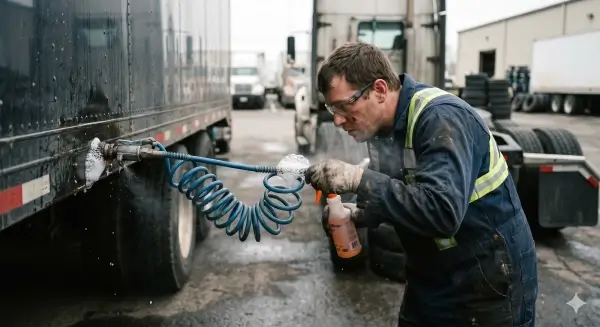
- Listen and spray with soapy water for leaks at the joint.
- Confirm dust covers close and latch when uncoupled.
- Verify glad hand types match and lock together firmly.
Beyond The Manual
Basic walk‑around checks seize obvious faults, but glad hand wear is often insidious. Even minor sealing face grooves or light corrosion on the coupler body can prohibit a full seal under load. Wear at any one point can break the entire connection. Operators should look for pitting, flaking coatings, loose mounting hardware, and any indication that the couplers twist or rock when locked together.
For fleets that desire more detailed insight, advanced diagnostics and mobile service from providers. Techs can pressure test the system, test leak down rates, and inspect downstream valves, hoses, and reservoirs for strain from chronic leaks. Lots of service teams catch early corrosion so parts get swapped before failure, not after a roadside incident.
It doesn’t hurt to keep a record of every inspection and glad hand replacement in a log linked back to the individual truck and trailer. This history backs commercial vehicle inspection programs (CVIP), assists in demonstrating compliance to legal standards, and provides maintenance crews with transparent service life information for various glad hand materials, like aluminum cast bodies or those with stainless steel wear plates.
Drivers must report any sudden air pressure drop, rapid compressor cycling, or hard-to-seat couplers immediately. Early reporting means managed repair, not an emergency fix on a deadline.
Your Reputation
Glad hand integrity is directly connected to a fleet’s or owner-operator’s reputation in the industry. Regular, record-based upkeep demonstrates safety isn’t a check box chore but is woven into daily work. When gladhands stay in good shape, they do their part to safeguard valves, hoses, and trailer reservoirs against damage, reduce unscheduled roadside stops, and keep loads rolling on schedule.
Top-quality couplers, with their aluminum cast bodies or stainless steel wear plates, tend to last much longer and resist corrosion better than their low-grade counterparts. This minimizes downtime and helps fuel timely delivery, fewer cancellations, and greater trust from shippers and logistics partners. Clean, leak-free connections send a clear message during CVIP inspections and roadside checks: the vehicle is cared for, and the operator respects both the law and other road users.
Signs You Need Glad Hand Replacement
Gladhands sit at the center of a truck’s airbrake connection between tractor and trailer, so minor problems here can become actual safety hazards. Most issues appear initially in the form of leaks, abrasions, or a change in brake feel. Early checks during pre-trip inspections assist you in catching them before they amplify.
1. Audible Air Leaks
Hissing at the glad hand joint with the system charged is the most obvious sign of trouble. That noise indicates pressurized air is escaping at the seal or coupler, and eventually it will lower system pressure and cause the compressor to work overtime. A sustained pressure drop at the gauges strongly suggests the leak is at the gladhands or in the near lines, not down in the brake valves.
For smaller leaks that you can’t hear, spray soapy water around couplers and rubber seals. Any bubbling at the face of the glad hand or around the fittings indicates the joint is not airtight and should not be overlooked. If a glad hand or seal will not hold full operating pressure during normal use, replace the seal. If needed, replace the whole unit instead of attempting to “live with” the leak.
2. Visible Damage
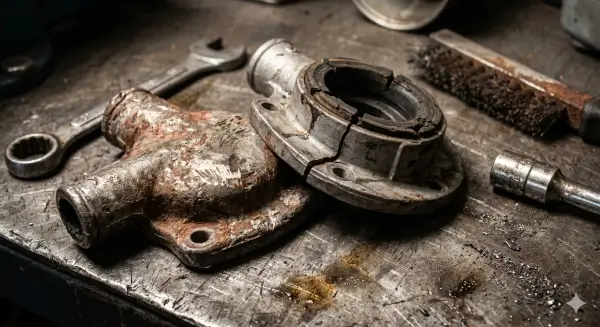
Corrosion and pitting on aluminum or steel bodies, ordinary after a winter or exposure to road salt or coastal air, consume sealing surfaces and can contaminate air lines. If you notice rust streaks, flaking metal, or damaged or missing rubber grommets and poly seals, prepare for replacement. Physical damage generally worsens with vibration and will not self-repair.
3. Connection Problems
If coupling or uncoupling requires more effort than normal or the halves don’t align cleanly, something is worn, bent, or out of alignment. A good glad hand will swing into position, seat solidly and twist to lock without you having to wrestle it. When couplers are loose, they bounce while driving, which beats up the seals, chips the bodies and can potentially damage nearby air lines.
As a part of your pre-trip, pull on each coupled glad hand and verify it fits tight with no play. When you replace a worn unit, charge the system, watch the gauges and lightly shake the lines to ensure the joint remains tight and leak-free under vibration.
4. Brake Response Lag
A lag between pressing the brake pedal and feeling the trailer brakes bite is a critical warning sign. Air leaks or restriction at bad gladhands decelerate pressure build-up at the trailer chambers and can cause uneven or late braking. If it takes more than around 45 seconds to get back to normal operating pressure from empty, suspect leaking lines or leaks at the gladhands.
Log every occurrence you experience mushy, uneven, or slow trailer brakes and provide that record to a technician. If lag occurs more than once, consider it cause to immediately replace suspect gladhands and seals instead of waiting for a complete failure.
5. Material Degradation
Rubber seals that appear flat, hard, cracked or brittle cannot maintain a solid seal regardless of how good the metal body may still look. Sun, heat, oil and road chemicals accelerate this wear. Older seals can swell or deform so they no longer conform to the mating surface. Metal faces that exhibit grooves, worn spots, or distortion will slice into new seals and reduce their lifespan. Any obvious signs of UV damage, chemical attack or age on the body or seal mean it’s time for new parts. When you do, using quality direct replacements like higher-grade glad hand seals built for heavy use will usually provide longer service life and help maintain the air brake system clean and stable.
The Risks of Neglect
Glad hands are tiny components in the air brake system that sit directly at the connection point between tractor and trailer, so any neglect quickly manifests itself in safety, uptime, and cost.
- Loss of braking force or total brake failure
- Longer stopping distance and poor emergency brake response
- Contaminated air lines, valves, and air dryers can have corrosion and debris.
- Stuck trailer spring brakes that will not release
- Higher fuel and operating costs from repeat roadside issues
- More unplanned downtime, missed deliveries, and repair bills
Safety Hazards
Neglected glad hands can develop leaky seals or damage to the aluminum body. These leaks lower system air pressure and shut off braking force, which can translate to increased stopping distance, increased pedal effort, or in extreme cases, complete brake failure. On crowded freeways or congested construction sites, such loss of control jeopardizes the truck, the load, and everyone in proximity.
Glad hands factor into the emergency and parking brake circuits as well. If seals are worn or corroded, air leaks can prevent the trailer spring brakes from releasing or apply them when pressure drops. That can hold a trailer in position while loading or cause abrupt braking while in motion, which can result in skids or jackknifes.
Rusty or clogged couplers don’t go bad by themselves. Bad winter care — no winterizing or draining — allows moisture to build up inside the fittings. In chilly months, that dampness can freeze, split seals and drive rust and debris into the pneumatics, curtailing airflow and sap overall braking force.
Any glad hand exhibiting cracks, heavy corrosion, bent couplers, or seals that no longer seat tight must be removed from service immediately. Immediate replacement during inspections reduces the risk of a small leak becoming a major safety incident with drivers, other vehicles, or pedestrians in the vicinity.
Legal Penalties
| Issue | Possible Consequence |
|---|---|
| Failed air brake inspection | Out-of-service order until defects, including gladhands, fixed |
| Visible air leaks | Fines for defective braking equipment |
| Poor maintenance records | Harder compliance audits, more scrutiny |
| Repeat violations | Higher fleet insurance rates, closer regulatory monitoring |
If officials discover hazardous air brake components, they have the authority to immediately order a vehicle out of service. That can halt shipments, stall work, and possibly need to be towed to a repair location if the glad hands or lines are too damaged to transport without risk.
Legal citations for neglect are not just one ticket after all. They fuel insurance risk scores and public safety records, which can drive up premiums and make it difficult to secure contracts that require high safety ratings. Well-maintained, current glad hand inspection and replacement date records help demonstrate that the fleet takes these parts seriously and is working to remain compliant.
Financial Costs
| Scenario | Typical Impact |
|---|---|
| Ignored leaks damage valves and air lines | High repair bill, long shop time, parts replacement |
| Annual glad hand replacement and seal checks | Low parts cost, short scheduled service window |
| Corrosion from moisture and no winterizing | Replacing lines, dryers, and valves, plus downtime |
| Prompt repair at a repair center | Faster turnaround, lower labor hours, controlled costs |
When seals crack or aluminum bodies corrode, leaks don’t just damage braking. Air dryers, control valves, and brake lines can all pick up rust, oil, and debris. This contamination circulates throughout the system and can clog ports, cause valves to stick, and prompt premature replacement of costly parts.
Relative to a valve block or an entire set of air lines, glad hands are inexpensive components. Rotating them on a routine basis, usually annually or as soon as destruction appears, is much less expensive than pursuing rare leaks down the road or paying for a roadside tow and emergency fix.
The Replacement Process
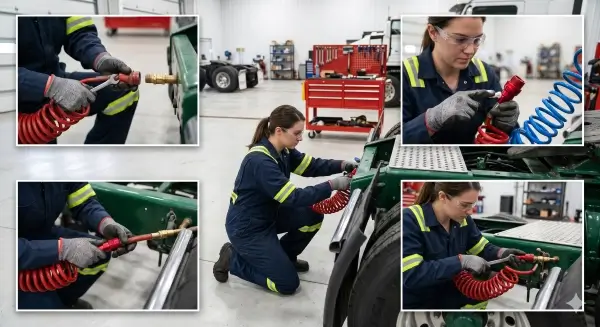
- Park on a level area, set the tractor and trailer brakes, block the wheels, and verify there is no pressure in any brake line.
- Bleed the air system completely, disconnect all air lines, and check gauges to zero.
- Don gloves and goggles, and keep the installation manual within arm’s reach.
- Take off the old glad hand coupler and seal, check the parts and clean the mating surfaces.
- Fit OEM or direct replacement glad hand and seals, inspect alignment, torque to specification, and perform a leak test.
- Document the work in maintenance logs for traceability and compliance.
Typical tools and parts include new service and emergency gladhands, preferably anodized for better corrosion resistance, replacement seals or grommets, proper spanners or socket wrenches, screwdrivers, a gladhand seal removal tool, soapy water in a spray bottle, and basic PPE. We’ve found that keeping spare seals and the installation manual in the vehicle assists when more than one driver shares the same unit.
Safety First
Work begins with security and no strain. The car must be on level ground, parking brakes fully applied, and wheels blocked on both sides if possible. The air system needs to be bled down until there is no residual pressure, as even a momentary blast from a line can cause eye injuries or make tools slip.
Wear gloves that grip well on metal and rubber, along with impact-rated eye protection. This guards against surprise shards, flaked rust, or rogue gasket pieces. Before you manhandle the fittings, make sure every air line to that glad hand is disconnected, so that there is no possible way the system can re-pressurize while you’re working.
Removal
Back off and take out bolts, screws, or clamps holding the old glad hand in place. Use the right size wrench so as not to ‘round’ fasteners. Hold up the hose as you work so that its weight doesn’t torque or fracture the fitting. With the fasteners removed, pull the coupler straight back, being careful not to kink or slice the hose cover.
If the coupler body is badly worn, bent, or corroded, then replace it before you install any new seal. Old or busted metal will shred a new seal in days. Take out the old seal from the coupler. Many are designed for field replacement with simple hand tools, but a specialized gladhand removal tool can expedite this stage and reduce the possibility of damaging the seal groove.
Inspect the removed coupler and seal for uneven wear, chips, or melted spots, as these frequently indicate alignment or heat problems. Clean the mating faces and threads with a dry cloth and, as necessary, a gentle solvent safe for rubber and paint, scuffing the surface to seat tightly and evenly.
Installation
Orient the new glad hand with your hose or fitting such that the service and emergency lines are not crossed. On most configurations, they utilize varied colors or labels, and aligning these minimizes connection mistakes between tractor and trailer. Slide the coupler into place without pressure, aligning the face to sit flush against its counterpart.
Fit the new seal by seating approximately half of it into the air hole, square with the opening. Then press the remaining seal into the groove, making sure that it is not twisted or pinched. A gentle fingertip pressure is normally sufficient. Instruments must not sever or tear the rubber.
Place bolts or clamps and torque as per manufacturer’s manual, since over-tightening can crack housings and under-tightening can leak. If you’re upgrading, anodized gladhands could provide more rust and wear resistance in inclement weather. When mounted, work the handle through its full range to make sure it locks and unlocks without binding.
System Test
Reconnect the air lines and bring pressure up slowly, observing and listening at the new joint. Test the seal and fittings with a spray of soapy water or an electronic leak detector. Steady bubbles or a signal at one point indicate the seal may be out of place or the fasteners need re-checking.
Cycling the brakes multiple times, ensuring application and release on both tractor and trailer. Observe pressure build and drop on the gauges and ensure there is no lag at the trailer. Assuming performance seems normal, record the date, parts, and test results into your maintenance log. This log provides support for future troubleshooting and demonstrates work performed was consistent with safety and maker guidelines.
Proactive Maintenance Tips
Proactive gladhands maintenance slashes air leaks, brake problems, and roadside waits. The focus is simple: spot wear early, keep parts clean, and replace parts before failure.
- Build a short gladhand checklist into every inspection routine.
- Train drivers and techs to look for corrosion, cracks and loss of tension.
- Change seals at a minimum annually, or earlier with heavy use.
- Screen filters with seals keep debris out of air lines.
- Opt for seals with flaps to prevent moisture intrusion when lines are uncoupled.
- Replace any seal with a flap that is ripped, rigid, or absent.
- Swap gladhands when air lines are switched out or if damage is obvious.
- Store gladhands off the ground when dropping a trailer.
- Maintain basic spares such as gladhands, seals, and couplers for quick fixes.
- Utilize Plett Truck Repair’s mobile service for on-site inspections and repairs.
Regular Inspections
Inspections work best when they’re frequent and quick. Drivers should inspect gladhands, seals, and couplers prior to every haul, examining for cracks, deep scratches, bent ears, and white powdery corrosion on aluminum bodies. Any indication of loss of tension when coupling or uncoupling is a warning sign, as it typically signifies that the spring force in the connector or the seal is fatigued and can no longer maintain a snug fit.
Pre‑trip and post‑trip inspections should include a quick functional check: listen for leaks, spray soapy water around the connection if needed, and confirm the trailer holds air. Recording every observation, even ‘no defects,’ establishes a history that assists in scheduling seal replacements at least annually instead of waiting for a failure. Rotating which technician does detailed shop inspections, perhaps every few weeks, provides a second set of eyes and minimizes the possibility that slow-growing corrosion or wear is overlooked.
Proper Cleaning
Gladhands encounter grime, grit, and road spray all day long, so cleaning isn’t aesthetic; it’s a component of brake safety. Employ gentle, approved cleaners and a soft brush or cloth to help break down road film, mud, and salt on metal faces, seals, and couplers. On winter or coastal-running fleets, this step matters even more because salt accelerates corrosion.
Skip hard solvents and potent acids that will dry out rubber gaskets or corrode aluminum frames. Post-run on icy or salted roadways, rinse and clean both the gladhand and mating face. Dry all parts well before reconnecting. Dry components seal more effectively and inhibit rust. Filter screens combined with quality seals prevent grit from entering air lines to begin with. Flaps seal off the port when lines are disconnected, which blocks moisture and debris while trailers are parked.
Correct Coupling
Correct coupling starts with straight alignment. The faces should meet square, with no twist in the hoses, before you swing the handles together. Forcing misaligned gladhands can deform connectors, cut seals, and create a leak path that only shows up under vibration. Once lined up, apply steady, even pressure until the handles lock fully and sit tight. Then give them a firm shake to make sure there is no wiggle that could grow into a disconnect on rough roads. Any connector that cannot hold an airtight, stable connection, even after cleaning and a new seal, should be replaced at once since continued use will usually spread wear to the mating side too. When drivers drop a trailer, they should store gladhands on holders or dummy couplers rather than leave them hanging. This simple habit keeps ports sealed, protects flaps on the seals, and slows down the corrosion that is a major enemy of aluminum gladhands.
Conclusion
Glad hand replacements might seem like a minor thing, but they have a major impact on secure air flow and brake control. That is a replacement for the glad hand.
Worn seals, loose fit or air leaks all scream fix. Swap the bad parts quick and keep the rig in rock-solid condition.
New glad hands reduce leak potential, preserve air and keep brake application uniform. The exchange is quick and it can prevent huge expenses and extended downtime down the road. A little smart habit gets you a long way, like grease on seals, clean faces and quick checks at each hookup.
Looking for a next step. Snag a new spec set, schedule a quick shop stop, and secure clean air lines for that next big load.
Frequently Asked Questions
How often should glad hands be replaced?
Check glad hands on each trailer hookup and during routine brake inspections. Swap them out at once if you notice cracks, severe wear, leaks or loose fittings. Most fleets schedule aggressive replacement every one to two years depending on usage and operating conditions.
What are the most common signs my glad hands are failing?
Look out for air leaks, hissing, poor brake response, visible cracks, corrosion, or damaged seals. Trouble connecting or disconnecting lines is another red flag. Any of these problems generally signifies it is time for a glad hand replacement.
Can I drive with a leaking or damaged glad hand?
Driving with a leaking or damaged glad hand isn’t safe. It can decrease air pressure to the trailer brakes and lengthen stopping distance. It increases the danger of brake failure and accidents. Swap out those busted glad hands before you hit the road.
Do I need a professional to replace a glad hand?
Most experienced drivers and technicians are able to replace glad hands with simple tooling and safety precautions. If you’re not sure about air systems, connections and torques, a qualified technician is the safest and most reliable way to go.
How do I choose the right replacement glad hand?
Match the glad hand type to your trailer’s air system, connection style, and even operating environment. Verify compatibility with your tractor-trailer configuration, material composition, and seal configuration. Employ reputable manufacturers and adhere to factory guidelines for optimal functionality and security.
Does weather affect how long glad hands last?
Yes. Extreme heat and cold, road salt, and moisture accelerate wear, corrosion, and seal deterioration. Fleets in harsh climates ought to check glad hands more often and swap them out at the initial indications of cracking, stiffness, or rust.
What preventive maintenance helps extend glad hand life?
Maintain tight connections, utilize dust covers when uncoupled, and inspect seals for cuts or dryness. Tighten fittings as necessary and inspect for leaks during pre-trip inspections. Routine cleanings and promptly replacing worn seals will add years to glad hand service life.
Not what you were looking for? Explore Get ‘R Done Heavy Truck Repair’s expert resources for professional heavy-duty truck diagnostics, maintenance, and roadside repair solutions.
Transmission and Clutch Repair
Engine Repair, Rebuild, Overhaul & Conversion
Interested in learning more about how commercial trucks are maintained and regulated? These trusted educational resources provide additional insights.
Commercial Vehicle Safety & Regulation