
- Key Takeaways
- What Is Performance ECM Tuning?
- How Performance ECM Tuning Works
- Unlocking Your Truck’s Potential
- The Risks of Improper Tuning
- Tuning, Emissions, and Compliance
- Advanced Tuning Considerations
- Conclusion
- Frequently Asked Questions
Key Takeaways
- Performance ECM tuning is designed to optimize your truck’s engine parameters for more horsepower, torque, and fuel efficiency while adapting those settings to your specific truck, your routes, and your driving style. Professional software and diagnostics help ensure safe, reliable results.
- An organized flow of work makes the results better from initial diagnostic scan and data read to map modification to software write to live test. Always confirm changes with real-world testing and documented metrics.
- Focused tuning can enhance throttle response, even out power delivery, support aftermarket components and fine tune transmission behavior to improve drivability. Anticipate improvements in load, hill climbs and day to day comfort.
- Fuel economy is achieved by timing the injection and adjusting fuel maps to reduce consumption and emissions. Monitor your DPF regens, compare before and after liters per 100 kilometers, and keep records to prove the savings.
- Lower risk by steering clear of canned or unverified tunes and staying emissions compliant. Employ certified tools, maintain stock-file backups, perform routine diagnostics, and prevent faults and fines.
- Plan ahead for advanced needs. Remove system bottlenecks, pull data from all control modules, and update tunes as your loads and routes change. Make an inspection checklist and go over logs to maintain peak performance.
Basically, performance ECM tuning updates the engine control module to change fuel maps, ignition timing, boost control, and throttle response for better power and drivability. Employed on modern petrol and diesel engines, it can lift torque across the rev range, smooth shifts on automatic gearboxes and even trim turbo lag. When done well, it can frequently deliver power improvements of 5 to 20 percent, minor reductions in 0 to 100 kilometers per hour times, and smoother part-throttle response. Safe results are based on datalogging, knock control, air-fuel targets, and heat management. Warranty, emissions regulations, and fuel quality are a concern, so the strategies vary by area and engine code. To establish realistic objectives, the guide below details techniques, hazards, equipment requirements, and interpreting real-world dyno data.
What Is Performance ECM Tuning?
Performance ECM tuning means modifying the Engine Control Module’s software so the engine runs with parameters that suit actual use, not generic factory ranges. The goal is clear: adjust fuel, air, spark (for petrol), boost, timing, and limiters to get more horsepower and torque while keeping or even improving fuel use and emissions. It’s used on trucks and cars, but it’s frequently most useful on trucks that haul, idle, or run long distances.
It modifies factory maps to fit a given truck, route, and driver requirements. A delivery truck in stop-and-go traffic might require sharper throttle and lower-RPM torque. A long-haul rig on open roads can use leaner cruise fueling at 100 kilometers per hour to save fuel. A work truck that tows or runs in hot or cold climates may need timing and fan controls that protect the engine and hold steady power.
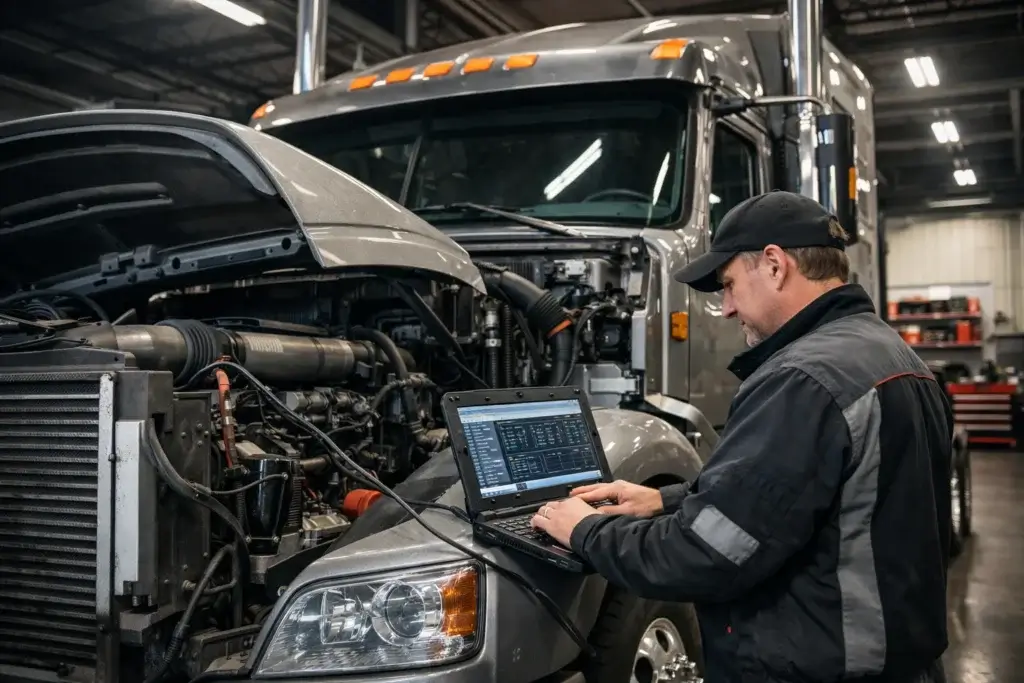
Tuning employs specialized software, a stable power supply, and diagnostic tools that can read sensors, fault codes, and live data. A secure procedure backs up the stock file, writes an updated map, and then records road or dyno runs to monitor knock, exhaust temperatures, boost targets, and fuel trims. Sound practices are smoke and opacity tests for diesels, as well as some confirmation that on-board diagnostics continue to produce errors as they ought to.
Some of the primary advantages are faster throttle response, smoother power curves, increased mid-range torque, and optimized shift points on electronic transmission equipped vehicles. It can even facilitate aftermarket parts such as a freer-flowing intake, larger intercooler, or upgraded turbo by coordinating fueling and boost so the parts function as a system. Most owners get improved gas mileage, which translates to genuine savings over the duration of their ownership, whether in stop-and-go city traffic or long-distance highway runs.
Tuning can optimize the Exhaust Gas Recirculation (EGR) strategy and after-treatment timing to reduce emissions while maintaining power. Bad fuel economy, shaky idle, or slow pull under load can indicate old calibrations or engine wear that a new emissions-legal tune can assist with. Any modification must comply with local emission regulations to prevent penalties or inspection failures. Tuning done well balances performance, efficiency, and reliability for the truck’s precise work and environment.
How Performance ECM Tuning Works
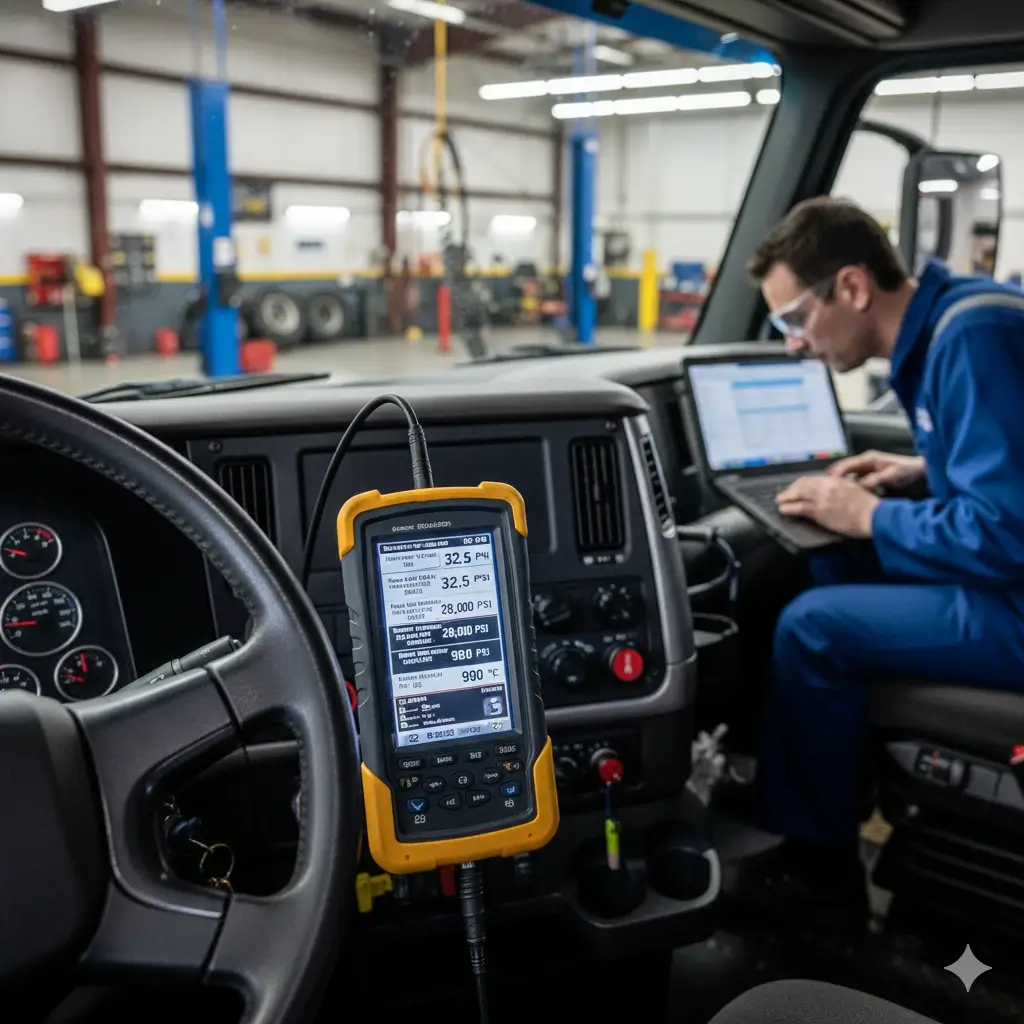
Performance ECM tuning adjusts the Electronic Control Module, rewriting engine control maps for power, torque, and fuel consumption. Gains vary by setup: diesel engines often see 20 to 40 percent more torque and horsepower with 5 to 15 percent better fuel use, while a naturally aspirated petrol engine might gain 5 to 15 percent power. A 200-hp engine can gain 10 to 30 hp. Tuning is often staged: Stage 1 (software only), Stage 2 (software plus parts), Stage 3 (motorsport-level changes).
- Scan and baseline the vehicle.
- Read the ECM data and maps.
- Modify fuel, ignition, and boost maps.
- Write the new software.
- Test live and iterate. Reading and analysis first avoids chasing faults. Writing the new file and validating with diagnostics closes the loop.
1. Diagnostic Scan
Complete vehicle scan – Perform a thorough vehicle scan to confirm current health, sensor and wiring status, and any stored or pending trouble codes. Bad MAF reads, weak O2 sensors, or boost leaks will throw off results.
Make sure all sensors, actuators, and harness grounds work because bad inputs generate bad outputs. Collect fuel use in liters per 100 kilometers, emissions readiness, exhaust gas temperatures, and load data for baselining. Record idle, cruise, and wide-open throttle runs. Write down everything and mark repairs pre-tuning, such as fixing a sticking EGR or a cracked intercooler hose.
2. Data Reading
Pull the stock calibration and maps with pro-level tools. Scan lambda targets, injection timing, boost ceilings, torque limiters, and rpm cutoffs for chokepoints.
Factory values to safe industry norms and local emissions needs. List which limits to relax or tighten based on use: Heavy haulers may need more low-rpm torque, while daily drivers may want smoother shifts and better economy. Observe throttle driver feedback, such as flat midrange or harsh tip-in.
3. Map Modification
Modify fuel maps, ignition timing, and boost to achieve focused objectives, such as more midrange torque for towing or lower fuel burn in steady cruise. Tune for your specific engine, turbo size, injectors, intercooler, altitude, and duty cycle. Solve issues like lazy throttle, bad MPG, or smoky launches by fixing lambda targets and torque modeling. Verify with simulation and stress checks to keep EGTs, knock, and boost all within safe limits.
4. Software Writing
Replace the original file with the modified version on the ECM using trustworthy utilities. Ensure CAN communication, checksum, and sensor compatibility to prevent check engine lights. Save stock and tuned file backups in version control. Verify the ECM boots cleanly prior to road tests.
5. Live Testing
Test in real traffic and controlled pulls, logging throttle response, turbo lag, DPF regen cycles, soot load, fuel economy and knock events. Tune small cells on the fly if surge, smoke or ping shows up. Track changes and benchmark horsepower, torque, drivability and MPG gains. Most experience a 10 to 20 percent MPG increase. Prices span from $200 to $500 for simple tunes to $500 to $1,500 for more sophisticated work.
Unlocking Your Truck’s Potential
Performance ECM tuning optimizes how the engine controls fuel, air, and timing so your truck pulls stronger, consumes less fuel, and runs cleaner. Improvements benefit individual long-haul vehicles and entire fleets, although outcomes vary by vehicle model, operational schedule, elevation, and emissions standards.
Fuel Economy

Economy tunes generally recalibrate injection timing, pulse width, and fuel maps to burn fuel more completely at typical cruise loads of 1,200 to 1,600 rpm. Better combustion translates into less wasted injections and more stable exhaust temperatures.
As gas prices continue to climb, a 10 to 20 percent MPG advantage can save you serious money, fast. A long-haul truck covering 160,000 kilometers annually can save thousands in fuel when average consumption decreases by just 1 to 2 litres per 100 kilometers. Fleet managers watch the impact compound across dozens of units.
Cleaner combustion decreases soot, which decreases DPF regens and downtime. Less regens means less fuel burned off-cycle and less oil dilution as a result over time.
| Scenario | Before (L/100 km) | After (L/100 km) | Change |
|---|---|---|---|
| Long-haul, 40 t GCW | 34.0 | ||
| 30.6 | −10% |
| Regional, mixed loads | 36.5 | 31.0 | minus 15% |
| Urban delivery | 39.0 | 33.2 | minus 15% |
Note: Always verify tunes meet emissions rules, including Alberta, Canada and CARB in California.
Horsepower
Horsepower gains are sourced from controlled changes to your turbo boost targets, fueling limits and timing under load, all within safe EGT ranges. Commonly seen dyno-tested gains of 30 to 80 horsepower occur on many modern diesel platforms when stock margins exist.
More muscle means it can maintain speed on long grades with full gross weight, lightening downshifts and slashing trip times. It complements hardware such as larger intercoolers or free-flow intakes that require tuned airflow and fuel curves to prove beneficial.
Data is important. Before and after dyno pulls and loaded 60 to 100 km/h acceleration tests demonstrate actual, not estimated, gains.
Torque
- Quicker starts with heavy trailers
- Fewer gear hunts on mild grades
- Lower rpm cruising under load
- Reduced driver fatigue and engine strain
Tuning can reshape the torque curve to peak earlier for stop-and-go routes or spread it out for steady highway work. Sharper throttle mapping and smart boost control trim turbo lag, so the truck feels ready when the load shifts. The cumulative impact is improved drivability, less clutch or converter slip, and smoother engine operation.
Drivability
Smartly constructed tunes optimize shift timing, torque converter lockup, throttle tip-in, and rpm limits so the truck operates with less hoopla. Lots of drivers experience easier merges and crisper passes, whether in city traffic or on the open road.
Calibrations can address issues such as dead pedal, slow downshifts, or rough part-throttle shifts. Small, exacting fixes usually address these without stressing hardware too much.
Operator-specific maps support different jobs: heavy low-speed work, long-haul cruise, or mixed duty. Reliability stays front and center: safe EGTs, knock control, and emissions-compliant strategies protect the engine and aftertreatment.
ECM tuning is not one-size-fits-all. Rules differ, results differ, and expert advice makes sure you’re playing by the rules and that your gains are realistic.
The Risks of Improper Tuning
Bad ECM tuning pushes components beyond safe thresholds and disrupts how the fuel, air, spark, and boost harmonize. The outcome can be lost power, increased fuel consumption, and at worst, engine or transmission damage that costs a lot more than any benefit.
Just like with your car, a bad tune or unqualified tuning can cause engine failure, excessive stress, or bad gas mileage. Too much timing advance or boost targets climbing without enough fuel can cause the engine to knock or ping. That nasty rattle is detonation, and it pounds on pistons, rings, and bearings. Keep it tuned too lean and you will burn valves or worse. Tunes that chase peak torque at low revs can spike cylinder pressure and stretch rods or lift head gaskets. Even “mild” errors, such as too little enrichment under load, accelerate wear and tear, reduce oil life, and increase exhaust gas temps. Trucks that tow or run in hot climates experience this issue. Fuel trims shoved out of range sink fuel economy as well, so you burn more liters per 100 km while generating less steady output. At worst, catastrophic failure comes shortly after a WOT pull.
If you tune it wrong, you can cause warning lights, emissions faults, or test failures. A tune that turns off readiness monitors or changes O2, NOx, DPF, or SCR logic almost always sets the MIL and permanent fault codes. Rich or lean fueling shifts catalyst efficiency and raises particulates, which do not pass lab-based block emissions tests. Other owners say they experience long-term reliability declines once monitors become masked, as genuine faults remain latent until they contaminate further with damage. These modifications risk warranty rejection, as many manufacturers consider modified ECM files to be tampering.
With professional ECM services and advanced tools, you can avoid costly repairs. Good tuners log, use wideband sensors, knock control, and verify changes on a load-bearing dyno. They look at injector duty cycle, lambda under load, EGTs, and transmission line pressure to ensure hardware remains within safe boundaries. This safeguards the engine and the gearbox, which can experience premature clutch wear or rough shifts from loose torque modeling.
Watch for red flags: canned “one-size” files, claims to support cars or trucks the tool maker does not list, no data logs, no diagnostics, no baseline health check, and no plan for heat, altitude, or tow use.
Tuning, Emissions, and Compliance
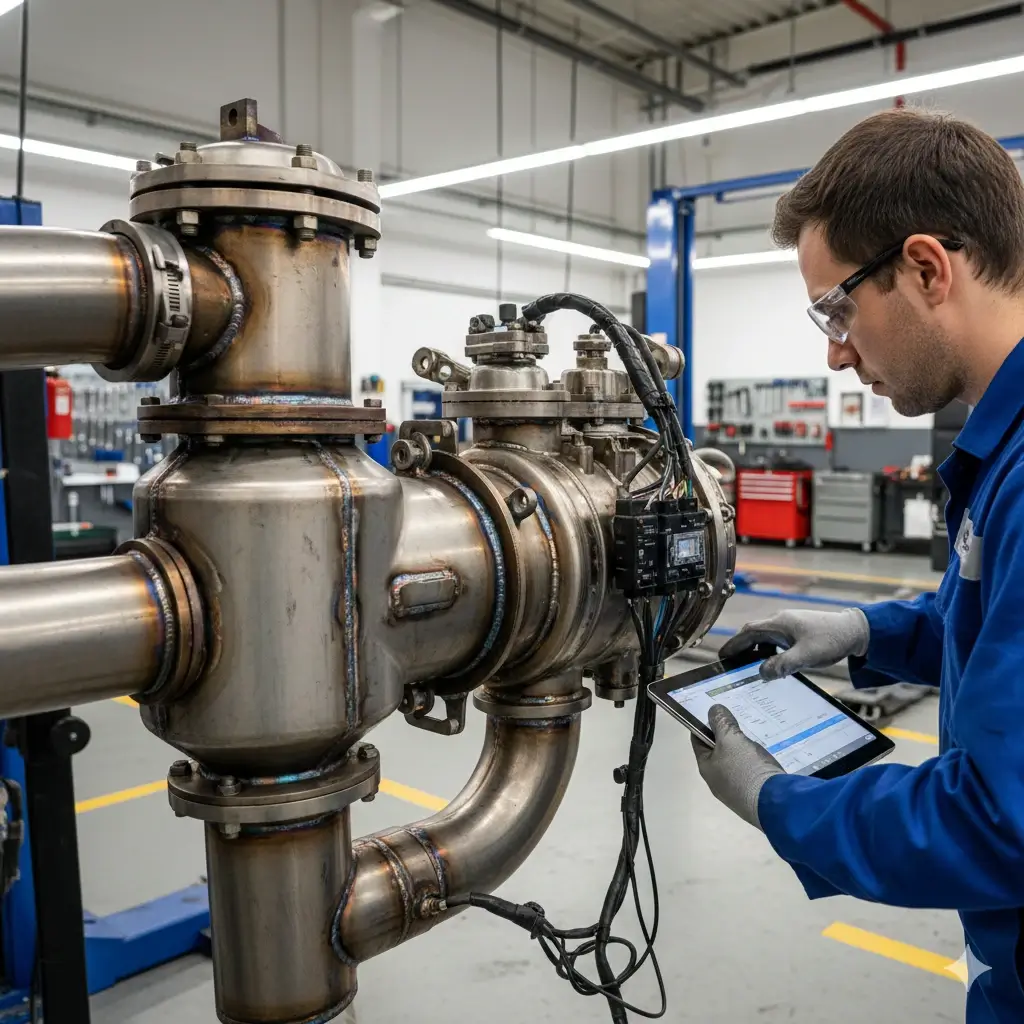
No heading 24/7/22 Performance ECM tuning changes fuel delivery, boost control, timing and torque limits to enhance driveability and output while remaining emissions legal. Tuning, emissions and compliance: The aim here is incremental improvements without modifications that invite fines or compromise safety.
- Compliant performance tuning options that balance power, emissions, and safety: * Emissions-on calibrations that keep DPF, DOC, and EGR active.
- Injection timing and rail pressure optimized within OEM safe ranges.
- Turbo vane and boost maps tuned to cut smoke on load.
- Torque management refinements that protect driveline and brakes.
- Altitude- and temperature-compensation maps to prevent over-fueling.
- Aftertreatment thermal management tuning to support clean DPF regens.
- Data-logged, dyno-tested stages with factory fail-safes still in place.
- ULSD to cut PM formation.
- Calibrations validated to local drive cycles and opacity limits.
Breaking emissions rules carries real consequences. Emissions tampering is illegal under the Clean Air Act, and fines can be in the tens of thousands of dollars per offense. Numerous areas have instant roadside fines, red-tag orders, or impoundment for visible smoke or absent hardware. Failing emissions tests or inspections leads to fines and failed inspections, along with downtime while restoring stock parts and software. Warranty claims get denied all the time after tampering. Carriers face audit findings, route bans in low emission zones, and increased insurance premiums. Shops that sell or install defeat devices face civil and criminal action, loss of licenses, and supplier blacklisting.
A little bit of care and monitoring on a regular basis keeps tuned trucks compliant. DPF, DOC, and SCR service schedules, differential pressure and NOx sensors, DEF quality, and regen history are important. The right EGR system keeps you fuel efficient and stops your engine from producing too much soot, which keeps you within CARB emissions limits. Monitor fuel trims, soot load, and O2/NOx ratios with scan tools, and configure drift alerts. Use ULSD and OEM oil specs with low-ash content to safeguard aftertreatment. Log real-world routes in hot, cold, and high-altitude conditions to verify margins. We recheck on a chassis dyno after software or hardware changes like injectors or turbochargers.
A lot of diesel truck owners think they need to crack open or remove emissions systems to get power, and sometimes that’s not the case. Emissions-on tuning can boost performance and slash service expenses. However, it’s crucial to do it lawfully. True, early DPF and EGR systems were horsepower-sapping trouble magnets, but today’s calibrations handle heat, soot and timing to keep components clean and power high. Tune for performance and emissions, not for penalties. Keep the roads clean!
Advanced Tuning Considerations
ECM tuning delivers rewards only when hardware boundaries, data precision, and duty-cycle requirements all align. Gains can be as high as 20 to 40 percent more torque on many diesels and 5 to 15 percent better fuel use when calibration and usage align. Costs typically run between $500 and $1,500 and results will vary based on load, speed, altitude, and temperature.
System Bottlenecks
Limited fuel rails, undersized injectors, underpowered lift pumps, clogged filters and aged HP pumps limit fuel mass and timing consistency. A narrow exhaust, undersized intercooler, old turbo or stuck wastegate chokes air, raises exhaust gas temperatures and makes the ECM pull fuel. Worn O2, MAP, MAF, EGT or NOx sensors transmit poor-quality information that distorts trims and timing, potentially causing derates.
Targeted fixes come first: upgrade injectors and pumps to match desired flow, fit a free-flowing exhaust and larger intercooler, refresh or upsize the turbo, and replace weak hoses. Look for charge leaks and heat-soak points to reduce knock-on stress.
Don’t push aggressive fuel and boost maps until bottlenecks are gone. It shields bearings, pistons, DPF, and SCR hardware and lets your torque limiters and cruise control hacks stick under load.
Checklist:
- Fuel: lift pump, filters, lines, injectors, rail pressure
- Air: turbo health, intercooler, charge pipes, intake, exhaust backpressure
- Sensors: MAP, MAF, O2, EGT, NOx, crank/cam, coolant, IAT
- Emissions: DPF health, regen function, DEF quality
- Cooling: radiator, fan control, thermostats
Data Integration
Acquire data from ECM, TCM, ABS and aftertreatment controllers so the tune monitors actual engine and vehicle conditions. Stock ECUs often do not have robust mapping or timing control and can show comms limits. Advanced control modules and updated firmware assist.
Leverage VCM scanner and suite tools to log rail pressure, pulse width, boost, lambda, EGT, torque source, shift commands, and regen status in real time. Be careful with the torque model. Torque limits, derate logic, and cruise control behavior need to be aligned.
Log your performance changes. Tag altitude, temperature, fuel quality, and other factors so trends are obvious.
Evolving Loads
Match pulse width, lambda targets, VGT duty and rail pressure to load type and grade. A city stop-go route with frequent regens requires different regen optimization than steady 1,000 kilometer hauls at 80 to 90 kilometers per hour.
Test at curb weight, half load, and gross vehicle weight. Pay attention to coolant, EGT, smoke index, and shift maps. Tuning, advanced considerations.
Update torque limiters and shift timing as payload or trailer weight increases.
For routes that shift from local to long-haul or high-altitude corridors, update the ECM calibration. Conquer cold starts, heat soak, and fan logic. Anticipate 10 to 30 horsepower increases on conventional units and 5 to 15 percent on NA gasoline, but link objectives to emissions regulations.
Offer software updates and derate logic reviews on an ongoing basis. Advanced tuning considerations.
Conclusion
Performance ecm tuning can add real gains. It provides more mid-range pull and cleaner shifts under load. There is smarter consumption on long hauls. It all comes down to good data, smart maps, and transparent objectives. A stock daily setup just needs mild tweaks. For example, a tow rig may require torque bias at low rpm. A track build requires rigorous heat checks and logs.
Bad tunes like to cause knock, high EGTs, limp mode, or worse. Good tunes remain within safe boundaries. They pass checks hot and cold. They maintain DPF, SCR, and O2 systems compliant with local legislation.
To proceed, make a plan, scan your truck, log a week, then discuss with a tuner who posts dyno runs and data. Ready to begin? Discuss your ambitions and setup.
Frequently Asked Questions
Is performance ECM tuning safe for my truck’s engine?
When performed by a skilled tuner with the right equipment, it’s typically safe. They tweak parameters within safe zones. Bad or aggressive tuning may lead to engine stress, overheating, or component failure. ALWAYS use a reputable shop and demand before-and-after datalogs and a warranty.
How does ECM tuning improve performance?
Tuning reprograms fuel delivery, ignition timing, boost and torque management. This can add power, crisp throttle response and enhanced drivability. Certain calibrations can tune for fuel efficiency at light loads. Results vary based on engine state, hardware and fuel quality.
Will ECM tuning void my warranty?
It can. Many manufacturers deem tuning a coverage-voiding modification. Many tuners provide flashable calibration that can be reverted, but dealers can still see that changes have been made. Verify your warranty terms and request documentation and support from the tuner prior to any changes.
Is ECM tuning legal and emissions compliant?
Laws differ from country to country and state to state. Emissions tampering is illegal in most jurisdictions. Select tunes that maintain OEM emissions hardware and comply with local regulations. Request evidence of compliance, like emissions test results or certification when available.
What gains can I expect from a tune?
Average gains run from mild to wild, depending on the motor and supporting components. Engines with turbochargers typically experience bigger gains than naturally aspirated ones. Prepare for more torque, smoother shifts, and enhanced drivability. Good tuners will give you dyno sheets and comparisons to your baseline.
Do I need supporting mods for tuning?
Not necessarily. Even a conservative tune on a stock truck can provide gains. For the higher gains, you may need upgrades such as intake, intercooler, exhaust, and stronger clutch. Your tuner should evaluate your logs, temperatures, and airflow restrictions prior to suggesting parts.
How do I choose a reputable tuner?
Search for brand-specific experience, calibration credentials, dyno access and data-driven processes. Check customer reviews, request before and after logs and verify update support. Make sure they employ quality tools and advise on maintenance, fuel quality and emissions.
Not what you were looking for? Browse GRD Heavy Truck Repair’s top resources for expert diagnostic and repair services.
Heavy Duty Trailer Repair Service
Engine Repair, Rebuild Overhaul and Conversion
You may also find the following resources helpful for additional reference.