
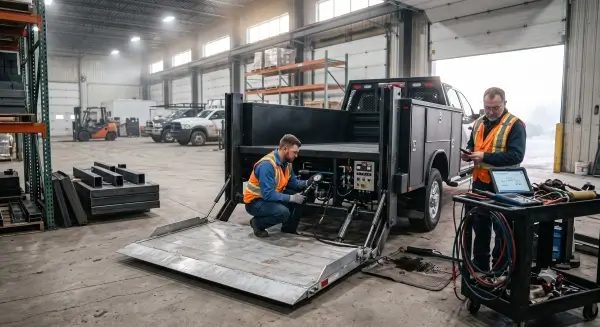
- Key Takeaways
- Why Liftgates Fail
- Spotting Liftgate Problems
- The Liftgate Repair Process
- Proactive Liftgate Maintenance
- Understanding Liftgate Components
- When to Call a Professional
- Conclusion
- Frequently Asked Questions
- What are the most common reasons a liftgate stops working?
- How can I tell if my liftgate needs repair?
- How long does a typical liftgate repair take?
- Can I safely use my liftgate if it is acting slow or noisy?
- How often should I service my liftgate to prevent breakdowns?
- What liftgate parts wear out the fastest?
- When should I call a professional instead of fixing a liftgate myself?
Key Takeaways
- Liftgate issues typically originate in one of four areas: hydraulic, electrical, mechanical, or environmental. A systematic approach to diagnosis is crucial. Knowing these types will help you isolate the source more quickly and ditch superfluous repairs.
- Typical warning signs like slow movement, odd noises, obvious oil leaks, drifting platforms and stuck controls should not be overlooked. Treating these symptoms early minimizes the danger of unexpected failures, unsafe driving and expensive downtime.
- A smart repair path adheres to obvious stages that begin with safety, proceed through diagnosis, component inspections, focused repairs, and test completion. Completing these steps in this order helps to confirm the liftgate functions consistently under load and validates safety compliance post repair.
- Routine maintenance, such as daily visual inspections, monthly inspections, and annual servicing by a professional, goes a long way toward extending liftgate life. Incorporating these tasks into your standard fleet or equipment maintenance schedule avoids a lot of hydraulic, electrical, and mechanical breakdowns.
- Understanding the general functions of hydraulic components and electrical systems helps you speak with technicians and decide on repairs. This knowledge helps you identify which issues are easy, like cleaning connections, and which require professional assistance.
- It’s generally better to call in a pro when failures are complicated, safety is compromised, specialized tools are needed or warranty coverage may be impacted. When at risk, expert service safeguards operators and equipment and keeps your liftgate compliant and reliable.
Liftgate repair refers to repairing the rear door or panel on a vehicle that opens upward, so it can function properly and secure once more. Many cars, SUVs, and trucks use liftgates, and even a minor malfunction can cause it to be noisy, have a poor latch, or completely fail to open or close. Typical issues are weak struts, broken latches, damaged wiring, and malfunctioning power lift systems. Some repairs remain straightforward and inexpensive, while others involve proximity sensors, motors, and control modules. To schedule the appropriate repair, owners usually require obvious symptoms, ballpark cost estimates, and preventative measures. The following sections cover common causes, simple diagnostics, and repair choices ranging from DIY to professional repair.
Why Liftgates Fail
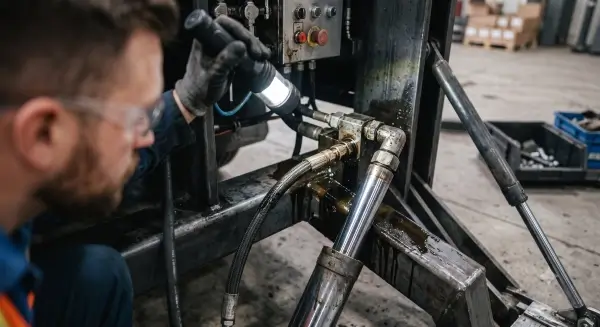
Liftgates usually fail for a small set of reasons: problems in the hydraulic system, weak or broken electrical parts, worn mechanical pieces, and harsh conditions around the truck. Virtually all failures trace back to bypassed inspections, overloads or driving the unit beyond its intended lifespan.
Hydraulic Issues
Hydraulic issues are usually the first obvious indicator of liftgate trouble. It’s based on clean fluid, tight hoses and good seals to build enough pressure to raise and lower the platform. When fluid runs low, gets dirty or leaks from a hose, cylinder or fitting, the liftgate can move sluggishly, shudder or sink under load. Most shops experience catastrophic failures after drivers disregard tiny oil spots on the garage floor for months. What begins as a moist cylinder rod can finish as a lifeless liftgate stranded at the dock.
Hydraulic seals aren’t eternal. On most fleets, seals fail every 3 to 5 years, sooner on trucks that run a lot of cycles per day. A seal that hardens or cracks allows fluid to bypass inside the cylinder, so the gate may lift with no load but stall when you roll on a pallet. Checking fluid level once a month and repairing leaks early reduces the risk of pump damage and keeps repair costs lower than a full rebuild.
Electrical Faults
Electrical faults trail only hydraulics as a cause of breakdown. A worn switch, corroded ground, or broken wire can prevent an otherwise pristine hydraulic system from running at all. A lot of liftgates fail at high-traffic sites because a control switch gets water and road salt inside or a loose battery cable deprives the motor. Standard electrical work, such as new switches, wiring repairs, and a relay, typically runs in the 200 to 600 USD range, and prices go up when techs have to track down buried harness shorts.
Mechanical Wear
Mechanical wear accumulates gradually and can reduce the lifespan of any other system. Pins, hinges, rollers, and chains experience heavy loads every time the platform moves. When these parts wear, the platform can twist, bind, or drag, putting additional stress on cylinders and the motor. A gate that tilts a few millimeters today might begin chewing up bushings and brackets a few months from now.
One of the biggest culprits is bad lubrication. Pivot points and chains should be greased approximately every 90 days. When this gets skipped, metal rubs metal, rust forms, and small movements become stiff or jerky. For instance, a fleet that never oils its chains may have them stretch quickly, so the plate no longer levels properly and the operator has to ‘bump’ the controls to have it sit flush with the dock. That type of continual stress frequently results in broken pins or bent arms, and repair costs significantly exceed a few minutes with a grease gun.
Overloading contributes to mechanical failure. When a 900 kg (2,000 lb) rated liftgate is requested to take 1,100 kg (2,500 lb), the structure and hinge points experience strain they were not designed to withstand. Certain gates will bend or crack in a few weeks if this occurs frequently, even if the hydraulics and electrics are new.
Environmental Factors
It’s not the liftgates; it’s the environment around the truck that determines the longevity of a liftgate. Roads with heavy dust or winter salt or near-constant rain accelerate rusting on hinges, chains and mounting brackets. In cold climates, thick oil makes the gate sluggish and can help the seals dry out and crack prematurely. Intense heat thins the oil and reduces system pressure.
Moisture and dirt play havoc with electrics. Water that creeps into connectors or control boxes corrodes and causes voltage drops and intermittent faults that are elusive to track. A truck that loads at coastal docks, for instance, comes up against salt air that erodes steel components and wiring alike.
Usage patterns matter. Operating a liftgate over capacity or in service beyond its design life heightens the risk of failure. It’s not cost-effective to put a 3,000 USD liftgate on a truck that will be retired in two years, and pushing an old unit for “one more season” usually results in a breakdown at the worst possible time.
Spotting Liftgate Problems
Spotting liftgate issues early keeps people safer, cargo protected, and trucks on the road, not in the shop. Daily pre-use inspections help catch minor issues before they develop into serious breakdowns.
Slow Operation
Slow lifting or lowering is the most obvious sign that something’s up. A healthy hydro liftgate should both raise and lower at a consistent, predictable speed. If you sense the platform beginning to creep up or down, stop the work and inspect the platform a bit more closely, as slow movement is usually indicative of low fluid level, air in the system, worn hoses, or a weak hydraulic pump.
Test your gate under load and with no load to see how it behaves. If it is slow even when empty, then the problem could be the pump, motor, or electrical supply. If it only has trouble with heavy pallets, it may have worn cylinders, tired batteries on an electric unit, or an out-of-spec pressure setting. Reference this speed to how the gate worked when new or recently serviced.
Worn-out liftgate motors don’t exclusively cause slow operation. Slow operation can come from simple things like corroded ground wires, dirty power connections, or stiff pivot points that need grease. Several fleets swap out cracked hydraulic lines, brittle hoses, loose fittings, or weak cylinders as soon as slow movement makes an appearance more than once. Repeated slowdown is frequently a precursor to an impending breakdown.
Strange Noises
New or louder noises during the liftgate are worth attention. Spotting liftgate problems grinding, squealing, rattling, or knocking sounds can indicate dry pivots, worn pins or bushings, misaligned hinges, or internal pump wear.
Hear as the gate initiates, elevates, and collapses. A high-pitched whine from the pump could indicate low hydraulic fluid or cavitation. A hard clunk at that same point can be a hint toward a loose pin or cracked bracket.
Operators who work with liftgates every day are often the first to notice these shifts. Consider such weird noises an early warning and record them before they recede into the noise and are dismissed.
Fluid Leaks
Any hydraulic leak means the system is not sealed the way it should be. Liftgates need clean hydraulic oil at the proper level to maintain pressure, so leaks frequently manifest later as slow lifting, jerky motion, or drifting down.
Keep an eye out for wet spots on hoses, fittings, and cylinders as well as around the pump and reservoir. Typical indicators are visible fluid residue, a light oil film on the platform or frame, and obvious drips underneath the truck tail. Leaks can originate from cracked hoses, damaged hydraulic lines, or loose fittings that have backed off with vibration or worn cylinder seals.
If the reservoir fluid level continues to fall, there is a leak somewhere even if you can’t see it. Mark the level, cycle the gate a few times, and recheck. By locating and repairing the root source early, you save the pump and cylinders and reduce the risk of a sudden failure while loading or unloading.
Drifting Down
Drifting down means the platform very gradually sinks under load while the controls are in neutral. This is more than a nuisance. It can pose a danger to employees on the dock plate and to delicate freight piled up against the lip.
Drifting usually indicates internal leakage in the hydraulic system. That can be worn cylinder seals, a holding valve that no longer closes tight, or debris stuck in a valve seat. Occasionally, it can be associated with micro-leaks in fittings or hoses that only manifest themselves when pressurized. If the platform stays put when unloaded but drifts with a pallet on, record the weight and conditions. That information assists a tech in hunting down the culprit more quickly.
Since liftgates are diligent and experience continuous load shifts, some wear is expected as time progresses. Catching liftgate drifting issues early, instead of waiting till the gate won’t hold at all, lowers repair cost and minimizes down time.
Unresponsive Controls
Unresponsive or inconsistent controls cease work immediately and can indicate electrical or hydraulic issues. When a button press does nothing, start simple: check the power switch, circuit breaker, fuse, or main disconnect, and confirm the batteries have enough charge and clean terminals. Many units have emergency stop buttons or safety interlocks connected to doors or latches that need to be reset as well.
If power is there but controls are intermittent, the culprit could be a dinged-up hand pendant, frayed wiring at a hinge point, water ingress inside a switch, or a failing relay or solenoid. You may hear the solenoid click but the motor does not run, or the motor runs but the platform does not move on hydraulic-electric systems, which helps separate electrical from hydraulic faults. Daily tests of every control direction—up, down, fold, and tilt if equipped—before loading provide operators a fast means of spotting issues before a full shift relies on that gate.
The Liftgate Repair Process
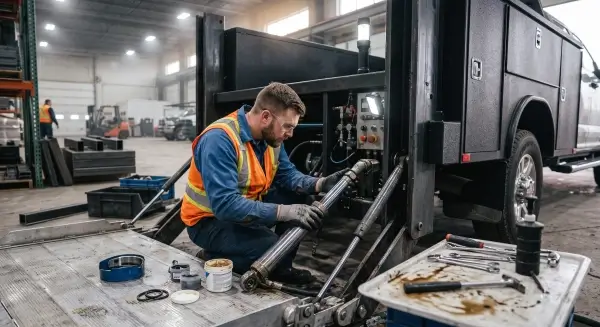
Our well-defined repair process keeps liftgates safe, minimizes downtime, and lets you determine if repair or replacement is the wiser choice.
1. Safety First
We begin with some fundamental safety measures, as a malfunctioning liftgate can drop quickly and strike with force. The vehicle is parked on level ground, engine off unless testing, wheels chocked, and the lift platform either fully lowered or supported with safety props or stands. Many shops lock out the power and pull the control switches when they’re inspecting, so nobody can inadvertently move the gate.
Technicians inspect for crushed cables, bent arms, or twisted platforms that might give way under weight. If your gate frame is cracked or your platform is badly warped, they will cordon off the zone and post that the unit is unsafe to use until further inspection is conducted.
Following Alberta workplace safety standards can help reinforce safe loading, unloading, and liftgate operating procedures, reducing the risk of workplace injuries during material handling.
2. Initial Diagnosis
The first check is simple: what is the liftgate doing or not doing? Typical complaints can be the gate not moving, moving slow, drifting down, or working one way. The technician listens for pump noise, inspects warning lights, and verifies battery condition and main fuse.
Hydraulic issues are usually the first to appear. Small oil spots under the truck, a damp cylinder rod, or a tank that needs frequent top-ups are its first clues. If these are ignored, a cheap seal job can expand into a full hydraulic pump rebuild starting around $800 to $1,500.
3. Component Check
After the initial round, the tech examines key systems one at a time. On the hydraulic end, they check cylinders, hoses, fittings, the pump and the reservoir. Seals that give out every 3 to 5 years are typical wear parts, with replacements generally running between $400 and $800 depending on size and access.
Then they move to the electrical parts: switches, wiring looms, relays, and solenoids. They test voltage and continuity and seek out crushed, corroded, or loose wires. Switch or wiring fixes tend to fall in the range of $200 to $600.
They check hinges, pins, chains, and platform framework. Any bent or cracked parts can stress the hydraulics as well, so this step links mechanical and fluid inspections.
If technicians discover cracked platforms, broken brackets, or damaged structural components during the inspection, professional mobile welding and fabrication services can restore structural integrity without unnecessary delays or costly equipment replacement.
4. The Repair
Repair extent varies based on diagnosis. Small jobs like switching out a control switch, cleaning terminals, or replacing hydraulic fluid and filters typically take 2 to 4 hours and can be accommodated in one service call. These jobs usually get your liftgate back to normal speed and put a halt to light drifting.
More involved work might be seal kits on cylinders, hose replacement or addressing stubborn leaks around the pump. Hydraulic seal replacements hover between the $400 and $800 range and are usually booked when the gate begins to puddle or the platform descends slowly while under load.
If pumps are worn, noisy or loaded with metal debris, the technician will recommend a full pump rebuild or major electrical rewiring. These repairs can take 1 to 2 days, depending on parts in stock and how structural the damage is. Labor and parts for a full pump rebuild typically clock in at $800 to $1,500, and the upper end is typical for large units or more obscure brands.
Age and price count, too. If a liftgate is more than 10 years old and requires more than $1,500 in total repairs, most operators opt to replace it instead. That selection typically minimizes repeat breakdowns and provides superior long-term durability, particularly for trucks running daily delivery routes.
5. Final Testing
Once repaired, the gate is tested with no load first and then a known test weight to replicate daily use. The technician checks lift and lower speed, listens for strain, and makes sure the platform remains level and does not drift down for several minutes.
They open and close the lift a few times, check each switch position, and check once more for leaks around seals and fittings. Electrical readings are again taken under load to be sure voltage drops stay within safe limits.
The final step is housekeeping: tighten fasteners, clean spilled fluid, label any new components, and note parts, costs, and repair times in the service record. Such clear records assist in scheduling upcoming seal changes and make it easier to identify trends before a small leak becomes a breakdown.
Proactive Liftgate Maintenance
Proactive liftgate maintenance keeps trucks in service, reduces safety risk, and slashes surprise repair cost. It proactively catches small faults early, so the liftgate keeps running day after day instead of failing in the middle of a route.
Daily Checks
These daily checks are about catching quick, visual items that keep the liftgate safe in between the deeper services. Riders can perform these at the beginning or conclusion of a shift. They inspect for obvious damage to the platform, hinges, and chains and seek leaks under the truck that may indicate a hydraulic line or fitting about to fail. Any new oil spots or wet hoses need to be addressed before the truck hits the road again.
A brief operational test is good too. Raise and lower the gate fully, listening for fresh grinding, popping, or sluggish movement. Ensure the platform remains level and returns to the identical closed position every time. A gate that drifts, tilts, or shudders can be signs of early hydraulic issues or a low battery well before it fails. Routine, proactive liftgate maintenance, even just a minute a day, is a smart way to catch problems before they escalate into safety risks, like sudden drops or a jammed platform.
Monthly Inspections
Monthly inspections go deeper than a walk-around. A lot of fleets go with the rule of thumb of visual checks weekly and more comprehensive inspections every 90 days, but a regimented monthly glance holds up well in hectic operations. Now is the time to clean and lubricate pivot points, rollers and hinges, and check that safety latches, toe guards, and warning labels are all in place and legible.
Electrical and hydraulic systems require particular attention. Check wiring for cuts, loose plugs, or corrosion at connectors and the ground point. Lots of ‘mystery’ faults emanate from poor electrical contact or a weak or dead battery. Inspect hydraulic fluid level and hose condition. A slightly bulged hose or damp fitting can become a full rupture under load. Trained drivers or techs should verify the liftgate alignment a minimum of weekly, monitoring that the platform aligns with the truck bed squarely to prevent weight shifting or load slide.
Annual Service
Annual service is the time for a more complete, systematic check-up that usually requires a trained technician. This includes inspecting structural components for cracks, worn welds, bent arms, and stretched chains. Proactive Liftgate Maintenance. A good rule of thumb is to replace lift chains as soon as they’ve stretched more than around 3 percent of their original length. Stretched chains can snap under load, causing expensive repairs and injuries from falling cargo or a failing platform. Hydraulic cylinders and pumps should be tested under rated load, and oil can be changed if the maker recommends it or if it looks dark or contaminated.
Proactive Liftgate Maintenance
A detailed electrical check once a year helps avoid hard-to-trace outages. That means load testing the battery, tightening all high-current connections, verifying that solenoids switch cleanly, and confirming that every safety device, including interlocks, cut-off switches, lights, and alarms, works as designed. These actions might seem obvious, but they’re at the heart of proactive maintenance. They increase liftgate lifespan, reduce downtime, and minimize the risk of expensive emergency repairs that bring a vehicle to a halt and throw schedules into chaos.
Scheduling fleet maintenance services that include regular liftgate inspections, lubrication, hydraulic checks, and electrical testing helps identify small issues before they become costly breakdowns.
Understanding Liftgate Components
Liftgates do a hard day’s work every day, so parts eventually wear out just like any other truck component. By understanding the key systems, it becomes easier to detect issues before they become serious, schedule maintenance, and maintain safe loads and personnel.
The Hydraulic System
The hydraulics do the heavy lifting. It utilizes fluid pressure to raise and lower the platform, and its primary components are the pump or power unit, hydraulic cylinders, hoses, lines, and fittings, along with the fluid reservoir and filter. When in use, the pump forces fluid into the cylinders, which in turn extend and push the platform. When you lower it, the valves open and fluid flows back to the tank.
The majority of mechanical failures in liftgates ultimately originate with this system. Typical replacement parts include pumps and power units, hydraulic cylinders and worn hoses. Daily checks help a lot: look along hoses and hard lines for cracks, rubbing points, or wet spots, and check fittings around the cylinders and pump. Any fluid residue that’s visible, fresh oil dripping on the ground, or a platform that lifts noticeably slower than usual can indicate a leak or low pressure.
Leaks can begin small and may be caused by ruptured hydraulic lines, loose fittings, worn hoses, or a worn cylinder seal. If you neglect early warning signs, the system can lose sufficient fluid that the gate will not lift rated loads or it will go out of travel mid-travel. Catching small trouble before it leads to big system failure decreases downtime, saving both cargo and operators.
The Electrical Circuit
The electrical circuit energizes the motor and controls, connecting the battery, wiring harness, fuses, relays, solenoids, and control switches. When you press the button, the control switch transmits an electrical signal through a wiring harness to a solenoid, which then allows high current to reach the motor and power the hydraulic pump.
Motors, solenoids, control switches, and wiring harnesses are all typical replacement parts. Daily, simple checks help. Test all platform controls for smooth response, listen for slow or strained motor sounds, and watch for flickering indicator lights. A sound electrical system powers a dependable hydraulic liftgate, which optimizes loading, reduces work injuries, safeguards cargo, and keeps the fleet moving safely.
When to Call a Professional
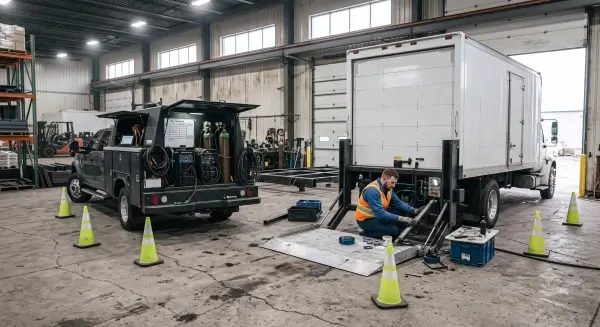
Professional liftgate repair keeps the system safe and reliable and within legality and warranty implications. Operator daily checks do assist, but certain issues extend beyond simple inspection and should be entrusted to skilled technicians.
If your liftgate won’t operate, has hydraulic leaks, or has suffered structural damage, it’s time to call a mobile truck repair service that can diagnose and repair the problem on-site.
Complex Failures
Complicated failures typically have hydraulic or electrical components that you can’t repair with a few hand tools. If the liftgate is slow, won’t lift its rated load, or has failed completely, a technician needs to test the pump, cylinders, and control circuits. These components operate under significant pressure and stress, so making educated guesses may harm the mechanism or introduce hazardous situations.
Hydraulic issues such as leaking lines, worn hoses, loose fittings, or defective cylinders frequently appear indistinguishable externally. A small strip of oil on the frame, a wet cylinder rod, or a pool of fluid under the truck can all suggest different root causes. A professional can pressure test the system, check flow and relief settings, and replace parts without pulling air into the lines or over tightening fittings.
Electrical faults add another dimension. Intermittent lifting, controls that only work in one direction, or a unit that runs but won’t move can come from failing relays, corroded grounds, or a weak power source. Qualified techs bring meters and wiring diagrams, not trial and error part swaps, minimizing downtime and preventing new damage.
Safety Concerns
Any safety issue is a great reason to discontinue use and phone for assistance. This includes platforms that descend unaided, unexpected descent, jerking movement, or excessive snapping, grinding, or hissing noises when the gate operates.
Operators should run daily checks before use: inspect hoses and fittings, look for hydraulic leaks or fluid residue, test platform controls, and listen for odd noises. If something just doesn’t feel right, the gate still moves, it’s safer to have it examined. Identifying minor issues in the early stages can avoid a catastrophic breakdown while loading with people near the moving components.
Lacking Tools
A lot of critical liftgate tasks require more than a standard tool kit. Bleeding hydraulic lines, setting relief valves, checking current draw, or tracing wiring demands pressure gauges, multimeters, and usually maker-specific tools.
If you don’t have safe lifting stands, lockout gear or a clean way to catch and dispose of hydraulic oil, it’s best to bring it into a pro shop. This is even more important for trucks that grind every day, as professionals advise servicing liftgates during normal service visits and having full maintenance performed at least a couple of times annually or every 6,000 to 10,000 cycles.
Warranty Protection
Most manufacturers and retailers link warranty coverage to proper care and certified repair. When you notice early damage indicators such as visible fluid residue, leaking oil, slow lift or crank, or strange control behavior, a recorded service visit supports that coverage.
Anything complicated, like work on control modules, switches, and wiring, should be handled by approved technicians. If you attempt to fix your own fried control box or tamper with the wiring, the manufacturer may refuse subsequent claims, even if the defect shows up elsewhere.
Regular professional inspections, coupled with daily operator checks, give you a documented history that you did what was advised to care for. This documentation backs warranty claims and demonstrates that you made a good faith effort to maintain the liftgate in safe and roadworthy condition.
During major repairs, it’s important to follow Commercial Vehicle Safety and Enforcement requirements to help ensure your liftgate remains compliant with applicable safety and roadworthiness standards.
Conclusion
Liftgate annoyance drags work, wastes hours and creates frustration. A little leak, weak hinge, or bad switch can bring an entire load to a halt. Quick checks and easy care go a long way. Light cleanup, lube on key spots, and a short test of the lift every day does wonders.
Real progress appears on the ground. Some driver notices a slow drop and he records it. A shop tech discovers a torn pin before it tears. A fleet manager monitors recurring defects and schedules enhancements.
Finally, treat the liftgate like essential equipment, not a bonus feature. Here’s what you should do for your next step — walk out, eye your gate, give it a test once, and if some part feels off, book a repair before it blooms.
Frequently Asked Questions
What are the most common reasons a liftgate stops working?
Some of the most common causes are weak or dead batteries, damaged wiring, worn hydraulic cylinders, broken switches and lack of lubrication. Rust and damage from loading docks or road debris are common. A professional inspection can quickly identify the specific source and avoid repeat malfunctions.
How can I tell if my liftgate needs repair?
See if it moves slowly or jerkily, makes strange noises, leaks fluid, has inconsistent lifting power or warning lights. If the platform won’t stay level or creeps down under load, it requires service. Any safety issue or abrupt alteration in function merits prompt examination.
How long does a typical liftgate repair take?
We complete most standard repairs in a few hours, depending upon parts availability and the issue. Few simple electrical or switch issues can be repaired fast. More involved hydraulic or structural repairs might require a day. A good shop can provide you with a time estimate after they diagnose.
Can I safely use my liftgate if it is acting slow or noisy?
Don’t do it. Slowness, noise or uneven operation can indicate failing parts. Continued operation could result in complete failure or a safety risk. SUSPEND use of the liftgate and get it professionally inspected before you cause an accident, ruin cargo, or require an expensive emergency repair.
How often should I service my liftgate to prevent breakdowns?
Scheduled servicing is generally advised every 3 to 6 months, based on your usage, climate, and cargo weight. Everyday checks consist of lubrication, hydraulic fluid inspection, electrical testing, and hardware tightening. Scheduled service will prolong the life of components and minimize unplanned downtime.
What liftgate parts wear out the fastest?
Typical wear parts are hydraulic hoses, cylinders, power units, switches, wiring, pivot pins, and hinges. Platforms and chains may wear quicker with heavy or perpetual use. Being proactive with these components helps you catch issues in their infancy and prevent unexpected breakdowns.
When should I call a professional instead of fixing a liftgate myself?
Give a pro a call if your liftgate has hydraulic leaks, electrical faults, structural damage, constant fuse-blowing, or any other safety-related issue. Get professional assistance if you don’t have the right tools, schematics, or training. Professional repair means that your problem will be properly diagnosed and repaired in accordance with safety standards.