

- Key Takeaways
- Why Consider a Stick Shift Conversion?
- Understanding Modern Truck Transmissions
- The Real Cost of Conversion
- Is a Conversion Right for Your Fleet?
- The Hidden Factor: Driver Psychology
- Your Expert Partner in Drivetrain Decisions
- Conclusion
- Frequently Asked Questions
- Is converting my truck to a stick shift worth it?
- How much does a stick shift conversion usually cost?
- Will a stick shift conversion void my truck’s warranty?
- Are modern automatics better than manual transmissions for fleets?
- How does driver psychology affect a stick shift conversion?
- Can a stick shift conversion lower my fleet operating costs?
- What should I evaluate before deciding on a stick shift conversion?
Key Takeaways
- A stick shift conversion can enhance driver control, off-road performance and traction force management, particularly for heavy trucks operating on elevated grades, rough terrain, or in low-speed and high-torque situations. This may aid in driveline protection and help prevent transmission overheating.
- Manual transmissions employ more basic mechanical systems with fewer electronic components, which typically translates to simpler diagnostics, reduced repair complexity, and increased reliability in rough or remote conditions. For many fleets, that means longer service intervals and less downtime.
- The cost of a stick shift conversion doesn’t stop at parts and labor. It should factor in downtime, compatibility checks, and potential ramifications to warranty and resale value. Building out a cost comparison between manual, automatic, and automated manuals makes the long-term savings or tradeoffs more clear.
- Not all fleets will gain from switching to manuals. Routes, terrain, load types, and duty cycles should all be analyzed before committing. Fleets in strenuous vocational segments, on steep or dirt roads, or in very hot temperatures frequently derive the most benefit from manual transmissions.
- Driver factors are important, as manual transmissions require clutch and gearshift proficiency and may need supplemental training courses. Certain drivers thrive on the action of a stick shift, which can foster recruitment, satisfaction, and retention.
- Consulting a drivetrain expert helps guarantee the right decision on transmission type, parts compatibility, and installation quality for any conversion project. Intelligent insights provide fleet owners with a better understanding of risk, cost, and performance to align transmission decisions with long-term operational objectives.
A stick shift conversion is when you convert your car from automatic to manual. A lot of drivers pick it to have more control over gear changes, improve driving feel, or better complement a car’s performance parts. A full conversion typically involves switching out the gearbox, pedals, flywheel, clutch system, shifter, and sometimes even the ECU. Labor and parts are expensive and some newer cars employ electronic wizardry that adds additional steps and checks. Some owners do the work in a home garage, while others head to a shop that knows manual swaps well. The following sections guide through main components, expenses, and considerations prior to any stick shift conversion endeavor.
Why Consider a Stick Shift Conversion?
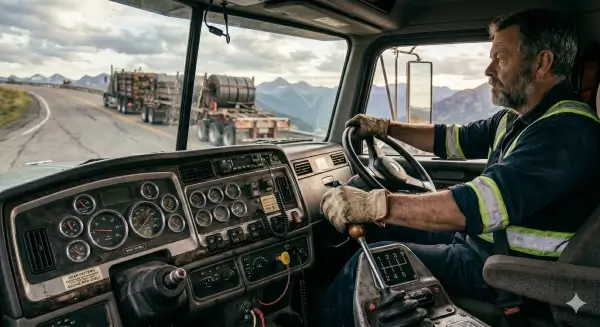
A stick shift conversion trades an automatic transmission for a manual transmission, giving the driver complete control of gear selection and engine revs. For a lot of cabs and trucks, that switch can translate to improved load control, less overheating and easier hardware with less to break.
1. Unmatched Driver Control
Manual control of gear selection allows a driver to keep the engine in its optimal torque range when towing heavy trailers or ascending extended grades. In a loaded truck on a 10% hill, being able to select and sustain a lower gear can prevent incessant hunting between ratios and reduce strain on the engine and driveline. Manual control of gear selection allows a driver to keep the engine in its optimal torque range when towing heavy trailers or using specialized trailer service and repair equipment in demanding work environments.
The exact shift timing assists in sudden stops or tight maneuvers in heavy traffic or harbor. An experienced driver can downshift early, use engine braking to slow a 20-ton gross weight, and keep the service brakes cooler.
Trucks hauling oversized or overweight loads should comply with Alberta overweight and oversize permit requirements, particularly when operating in demanding vocational applications where transmission performance is critical.
Many drivers like the added connection: using the clutch, feeling the shifter move, and matching revs. To others, that physical connection is simply a piece of the truck’s soul and makes the long hours more tolerable.
2. Superior Off-Road Performance
Whether off-road or on unpaved job sites, a manual transmission frequently provides more predictable gear engagement, which aids on mud, gravel, or wet grass. You can slip the clutch to “walk” the truck over ruts or rocks instead of having an automatic choose a gear and potentially spin.
Direct feedback through the stick and clutch pedal allows a driver to sense loss of grip early. In low-range work such as forestry, mining support, or farm tasks, the operator can maintain a low gear, a steady engine speed, and steer clear of abrupt shifts that cause wheel spin.
Stick shifts, on the other hand, are generally constructed of hardened gear sets and shafts that handle low-speed, high-torque abuse without overheating, unlike automatics.
3. Simplified Maintenance
Manual gearboxes require fewer valves, solenoids, and sensors than their modern automatic counterparts. There is no complicated valve body, no control module to reflash, and less wiring to hunt down when things go wrong.
Shifter linkages, clutch pedals and release bearing are largely mechanical, so it’s easier for a general shop to diagnose weird noises or dodgy engagement. This comes in handy in places where high-end scan tools or factory software are difficult to acquire.
Standard manual replacement parts are typically less expensive and more prevalent, particularly for older trucks. Clutch kits, synchros and bearings are all common stock items, while automatic transmission valve bodies or control units can be expensive and slow to obtain.
Manual gearboxes generally require fewer fluid changes, with long intervals and easy drain-and-fill service, which assists fleets with simple workshop configurations.
4. Potential Long-Term Savings
Your long-term costs can go down when there are fewer sensors, control units and hydraulic circuits to fail. Manual clutches are straightforward and they wear out, but they tend to be less expensive to swap out than an automatic’s torque converter or mechatronic unit failure.
In certain heavy-duty or hot-climate applications, a manual conversion can prolong transmission life by reducing overheating. Automatics towing near their limit or crawling for hours can run hot. Manuals tend to shed heat easier.
Fleets might rely less on specialized transmission shops. Integrating transmission inspections into a proactive fleet maintenance program can further reduce downtime and unexpected repair costs.
| Cost Area | Manual (Typical) | Automatic (Typical) |
|---|---|---|
| Major repair/rebuild | Lower parts + labor | Higher, often specialized |
| Fluid and filter service | Less frequent, simpler | More frequent, complex |
| Electronics failures | Minimal risk | Higher risk, higher cost |
5. Proven Mechanical Reliability
Manual transmissions are less likely to overheat in harsh use since they don’t have a torque converter that dumps heat into the fluid. They bypass a lot of electronic gremlins that can bench an automatic when a sensor, harness, or control unit goes bad.
Conventional manual gearboxes use strong gears, shafts, and clutch components that have a great history in heavy trucks, vocational units, and off-road rigs. That’s why so many mining support trucks, older highway tractors, and expedition vehicles still rely on manuals.
For enthusiasts who love control and feel, a stick shift conversion injects a more involved drive and preserves a vehicle’s original identity. It’s a major modification that replaces the transmission, pedal assembly, and typically the clutch hydraulics, which can operate at pressures as high as 8,300 kPa and require careful leak testing.
Understanding Modern Truck Transmissions
Modern truck gearboxes fall into three main types: manual, automatic, and automated manual transmissions (AMTs). Each type varies in how much work the driver does, how complex the components are, and how a future stick shift conversion will fit into the truck.
- Manual: simple mechanical design, high driver control, more driver workload.
- Automatic transmissions involve complex hydraulics and electronics, require low driver effort, and provide smooth operation in traffic.
- AMT is a manual hardware with automated controls, it has an in-between feel and is a software-heavy system.
Modern automatics now regularly beat manuals on fuel economy and can tackle torque loads that used to be the core strength of manuals. For fleets, that changes the equation: fewer drivers can smoothly shift a manual, but almost anyone can run an automatic or AMT, which can lower training time, cut clutch abuse, and keep fuel use more consistent across drivers.
A manual truck gearbox is mostly mechanical: a clutch pedal, a gearshift lever, linkage, and selector rods that slide gears or sleeves on shafts. In heavy trucks, those parts may sit under long linkages, but the idea stays the same. The driver’s left foot and right hand move torque from the engine to the wheels.
The driver needs to time each shift, match engine rpm, and operate the clutch in a smooth manner. In synchronized manuals, integrated synchronizers assist in matching equipment speeds so shifts experience smoothness. Unsynchronized boxes, still common in certain heavy or off-road trucks, require precise double-clutching and throttle blips. This requires technique, and a lot of seasoned drivers sense true mourning as manuals disappear from fresh trucks. In fact, only a single new pickup stateside still ships with a manual.
Gear ratios influence how the truck pulls and how fast it goes at a certain rpm. Truck manuals can be 13 or 18-speed with ‘half gears’ (splits) between main gears. Those splits keep the engine in its ideal rpm band on grades or when hauling heavy loads. Many drivers never encounter clear guidelines on when to use each half gear. Older multi-speed boxes can seem equally anachronistic at today’s higher road speeds, where closer ratios and quicker shifts are desired.
Manuals continue to make appearances in performance builds, certain export markets, and work trucks requiring simplistic, field-serviceable hardware.
An automatic uses a torque converter in place of a manual clutch, and planetary gearsets and electronic controls to select gears. Fluid in the converter links the engine to the gearbox, while solenoids and sensors control shift timing. The driver chooses a range (e.g., ‘D’) and the system does the rest in the background.
That takes the bulk of it out of slow, stop-and-go traffic or heavy urban work. The driver’s right foot controls speed, and you don’t need to observe RPM for every upshift and downshift, reducing fatigue on long days.
The flip side is complexity. More parts, tighter tolerances and more electronics lead to a higher potential repair bill if the shifter system, valve body or control module fails.
Due to this convenience and predictability, automatics now rule modern passenger cars and are prevalent in long-haul and regional trucks.
An AMT retains a manual-style gearbox and clutch inside, but includes electric or pneumatic actuators and control units to operate the clutch and shift forks. The driver has no clutch pedal, but the system observes speed, load, and throttle, then selects and engages gears automatically.
That arrangement can provide more fluid, consistent shifts and superior fuel consumption to many older automatics, particularly on long-haul routes at consistent speeds. It enables fleets to acquire manual-grade hardware with less driver training.
The software logic can catch drivers off guard. False shifts on hills or in stop and go, and lag between gears can seem strange and even disorienting for full manual accustomed souls.
The Real Cost of Conversion
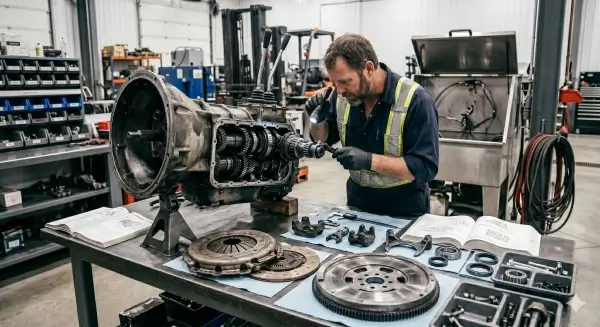
The stick shift conversion price is more than just the cost of a gearbox. The real cost of conversion encompasses matching parts, expert labor, road-time lost, and warranty and resale fall-out, so every one of those things demands a transparent quote prior to work beginning.
| Cost Category | What It Covers | Why It Matters |
|---|---|---|
| Parts | Gearbox, clutch, flywheel, pedals, hydraulics, driveshaft, hardware, electronics | Wrong or cheap parts cause noise, failure, or unsafe driving |
| Labor | Removal, install, setup, wiring, test drives | Skilled work cuts risk of misalignment and repeat repairs |
| Downtime | Days the car or fleet unit is off the road | Affects transport plans, income, and daily use |
Generating a line‑by‑line estimate for parts, labor hours and anticipated downtime establishes a transparent budget and prevents scope creep. With that plan should be compatibility checks–mounts, linkage paths, and ECUs, sensors, and warning lights. Conversion can void factory warranty coverage and, in certain cases, reduce resale value if buyers desire stock spec.
Parts
- Gearbox and bellhousing. A proper manual gearbox, bellhousing, and crossmember have to fit engine pattern, power level, and mount points. Manual drivetrains typically bleed around 12 to 14 percent of engine power, versus 16 to 18 percent for many automatics, so the conversion can liberate around 4 percent additional power to the wheels if ratios and final drive are selected appropriately.
- Clutch, flywheel and hydraulics. A matched clutch kit, flywheel and release system are key. Flywheels typically carry the starter ring gear, so starter motor and flywheel pitch need to be matched in order to prevent grind or failure. Hydraulic clutch setups can operate at close to 1,200 PSI, so all hoses, fittings, and seals must have that rating. Small leaks at this pressure can be challenging to find. A street-friendly hydraulic system often uses a 6 to 1 pedal leverage ratio to balance effort and travel.
- Pedals, linkage, driveshaft. The build might require a factory pedal box or a universal type pedal modified to the firewall and steering column configuration along with proper pedal pads. Selector rods or cables occasionally require minor engineering modifications or even transmission case modifications so gears intermesh cleanly without binding. Driveshafts, typically tube sections with welded ends, might require new length or yokes. They are available in steel, aluminum, or carbon fiber with various weight and cost profiles.
- With Clutch disc and sourcing. Best smart inverter clutch. Some clutches discs mix an organic lining on one side and semi-metallic on the other to balance grip, heat handling and smooth take-up. To keep compatibility in check, try to work from known part numbers or full conversion kits from well-reviewed restoration or motorsport parts dealers instead of piecing together random bits and pieces.
Labor
Work begins by pulling fluids and pulling the auto trans, bellhousing, torque converter, flexplate/auto-type flywheel, shifter assembly, cooler lines, and associated brackets. Then, the manual gearbox, new bellhousing, flywheel, clutch, and release system all go in, followed by crossmember, mounts, and trimmed tunnel or floor panels if it is tight.
It takes careful work to properly match the clutch pedal, gear shifter, and transmission input shaft, or else the car might experience clutch drag, hard shifts, or premature bearing wear. The mechanic has to verify that the pilot bearing rests perfectly in the crank and that shifter action seems organic from the driver’s perch.
Wiring typically requires rework for neutral safety or clutch-start switches, reverse light circuits, and occasionally engine or transmission control units that anticipate an automatic. Others, like the Real Cost of Conversion, need to reprogram modules so warning lights remain off and idle or cruise control function properly. For most owners, a professional installer is the safer option, as bad alignment or hurried wiring might end up costing you more than you saved on labor.
Downtime
For a carefully engineered conversion with all components in hand, a shop requires 2 to 4 man-days. One-off, custom, or older vehicles can sit 1 to 2 weeks while brackets, driveshafts, or hydraulic lines are modified or ordered.
For fleet users, that downtime can eat into delivery volume, employee hours, or coverage if the vehicle operates on a compressed duty cycle. If you can plan your conversions during service windows already in place or during your low season, it will help cushion the blow.
A short checklist helps keep the car off the lift for less time:
- Confirm gearbox, bellhousing, mounts, and driveshaft length
- Secure clutch kit, flywheel, and matched starter ring gear
- Select pedal box or universal pedal with pads and bracket hardware.
- Purchase rated hydraulic master, slave, hoses, and fittings for a 1,200 PSI application.
- Prepare wiring parts: switches, connectors, loom protection, and any needed control unit tools.
- Lay out all tools, sealants, fluids, and torque specs prior to teardown.
Is a Conversion Right for Your Fleet?
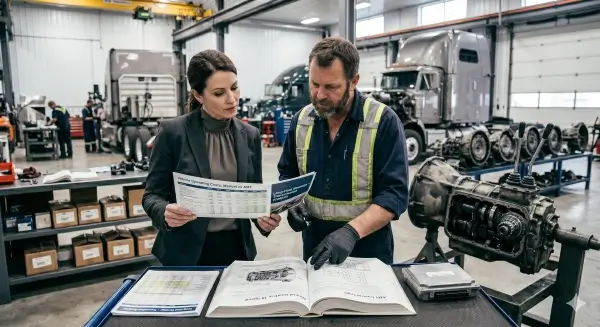
A stick shift conversion alters the way your trucks operate day to day, so the decision should be based on routes, loads, drivers and long-term economics, not just personal preference. A few guys are passionate about manual gearboxes and the feel of a gearlever, and that’s fine, but the real exam is how a manual setup aligns with your job, topography and labor pool. A conversion is tempting because there is less to break down later and less need for specialist diagnostics, but the initial cost can be jaw-droppingly high, sometimes two to four times as much as a standard automatic repair. Resale is mixed: some converted vehicles gain value, sometimes around 15%, while others lose appeal if buyers prefer original specification or do not care about shifting their own gears.
Consider upfront how and where the fleet operates. Urban delivery with stop-and-go traffic, tight schedules, and a number of different drivers tends to favor automatics. Long, steady highway hauls, predictable routes, and stable driver teams may fit manuals, where consistent gear selection can optimize fuel consumption and lessen driveline heat. Manual conversions can make certain units feel more “lively” or mischievous, but the source vehicle still establishes the cap. A heavy GT-style truck or grand tourer car will never drive like a light sports model, regardless of how crisp the transmission.
Fleet managers should also consider applicable Canadian commercial transportation regulations when evaluating major drivetrain modifications and operational requirements.
Driver skills are as important as hardware. If the majority of your squad grew up on automatic trucks and cars, anticipate a learning curve and additional training on clutch use, shift timing, and low-speed control. In environments where you still have lots of drivers accustomed to pedals and levers, manuals can seem instinctive and minimize messing around with automated systems. For electric conversions, you can even leave the old manual box locked in a single gear, usually 2nd or 3rd, or let expert drivers shift it like normal, which can provide more control without complicated electronic gear logic.
- Pros: * Fewer complex electronic parts, less need for specialist service.
- Robust grade control in inclement weather and off-road.
- Potential value increase for certain specialty vehicles, approximately 15 percent.
- Cons: * High conversion cost, often two to four times that of an automatic repair.
- Not all drivers want or can deal with manuals.
- Some owners and buyers want a stock, unmodified vehicle.
The Hidden Factor: Driver Psychology
Transmission selection influences how individuals experience behind the wheel. It influences day-to-day comfort, feeling of competence, and even driver retention by employer or fleet. For a lot of manual drivers, it is less about raw efficiency and more about how car and driver “converse” with one another.
Engagement
Manual transmissions invite the driver to remain engaged. You watch revs, read the road, and time every shift. This engagement can make some drivers more alert, as every acceleration, deceleration, and overtake demands a little explicit decision rather than mindless coasting in one implicit gear.
The tactile experience is important too. The click of the shifter sliding into second, the weight of the clutch pedal and slight vibration through the gear knob provide constant feedback. It seems more immediate, more analog, like the car is truthful about what the motor and tires are up to each moment.
For driving enthusiasts, this can transform an ordinary drive or sluggish crawl through traffic into a more visceral, sensory, and thus memorable chunk of the day. They like to say the car doesn’t ‘drive them’ they drive it. They say it’s a sweet screen and noise detox when hands and feet pulse as one and your mind remains here on the road.
That’s why the decision is emotional rather than rational. Even though automatics are simpler in stop-and-go traffic, some drivers select a manual because they prioritize happiness, command and engagement over ease.
Recruitment
Providing manual alternatives can attract candidates who enjoy direct control and view stick shift ability as part of their driver identity. In certain areas, driving a stick is a coming of age for car minded youngsters, a talent that confers pride and a touch of street cred within their circles.
Meanwhile, the pool of experienced manual drivers is shrinking. Too many new drivers, in fact, learn exclusively on automatics — even as the enthusiasm for manuals is resurging among millennials and Gen Z. Some of them are seeking opportunities to practice on real cars — not just a driving school vehicle.
Because of this divide, job posts that say “manual transmission preferred” should pledge training assistance. Well-documented coaching, ride-along practice, and time to acclimate can reduce anxiety for strong candidates who have no stick shift experience and desire it.
Retention
Drivers stick around longer when the car fits the way they work. For some, that’s an automatic that takes the edge off of stop-and-go traffic. For some, a manual gearbox is what makes the work fun, with every shift still a craft they possess and perfect.
A lot of seasoned drivers associate manuals with faith, not fear. When a fleet provides or retains manual units to requesters, it can foster loyalty. Certain drivers miss the manual experience so much that they actually feel a loss going to an all-automatic lineup, as if a part of their artistry or heritage is lost.
Simple steps can support retention: priority access to manual vehicles for those who want them, small bonuses or recognition for stick shift proficiency, and regular checks on whether drivers are happy with the transmission mix. Even a brief survey of satisfaction, stress, and transmission preference can indicate where interventions may assist people in holding on.
Your Expert Partner in Drivetrain Decisions
Stick shift conversion on a heavy truck is not just a parts swap. It involves the transmission, transfer case, wiring, mounts, and how the truck will be used day to day. Get ’R Done Heavy Truck Repair serves as your expert partner in drivetrain decisions, providing a street-smart navigator through those decisions, not just for drivers who like to tinker but for fleets that require transparent figures around uptime, service expenses, and long-term fit. Consulting a drivetrain expert helps guarantee the right decision on transmission type, parts compatibility, and installation quality. Professional heavy-duty truck repair services can also help identify underlying drivetrain issues before committing to a conversion.
As a shop, Get ’R Done assists you in contrasting manual and automatic setups using actual practice, not theory. That means considering tow weight, route length, road grade, and driver mix. For instance, a local dump truck servicing steep job sites might be better suited with a manual like the G56, which boasts a rock solid build and a firm, confident feel when loaded. A long haul tractor that lives mostly on flat highways may lean toward a solid automatic for reduced driver wear and tear. The trick is to find the right box for the work, not the reverse.
About: The foundation for any good drivetrain decision is an accurate diagnosis. The crew tests gear engagement under load, clutch hook up and release, and any hard shifts or grinding due to linkage or hydraulic components. They know a G56 is rugged and conquers heavy towing and hauling, yet they know it still wears with time, especially in high-heat, high-load applications. They monitor fluid level and quality, confirming the unit contains approximately 7 quarts of manual transmission fluid required, and they inspect for noise, play and leaks which can indicate underlying wear.
For stick shift conversions and upgrades, they check out fit and match. A manual swap requires the appropriate crossmember and mount. The G56 measures approximately 29.25 inches in length, which may alter driveshaft length and exhaust routing. They verify that the transmission will work well with the truck’s transfer case and wiring harness, so reverse lights, neutral safety, and speed signal remain intact. The 68RFE and G56 use similar crossmember and 29-spline NP273 transfer case splines to help keep some build costs in check. Fleet owners receive clear written plans that address parts selection, compatibility, and how each option fits the long game for service life and resale.
Conclusion
A stick shift conversion can sound daring on paper. In actual operation, it tends to deliver more compromises than benefits for the majority of fleets. Parts, labor, and downtime add up quick. So do driver training requirements and safety hazards.
A couple niche gigs might still warrant a manual swap. These days, for the majority of trucks, a properly set up modern auto box does the job with less hassle.
As a next step, get some real numbers together. Compare mileage, repairs, customer reports, and resale value on each road. Consult with a drivetrain expert who gets up close with real trucks daily, not just shop chat on the net. Combine that hard data with real world voices to make the right call for your fleet.
Frequently Asked Questions
Is converting my truck to a stick shift worth it?
A stick shift conversion can improve driver control and simplify maintenance. It is not always cheaper. You must compare the total cost of ownership, uptime, fuel use, driver skill, and warranty impact. A professional drivetrain assessment is essential before deciding.
How much does a stick shift conversion usually cost?
Prices range all over the place. Parts, labor, electronics, and downtime all add up. In many modern trucks, conversion may run a few thousand dollars. You should contrast this with maintaining or upgrading your existing automatic transmission before you commit.
Will a stick shift conversion void my truck’s warranty?
It tends to void the powertrain warranty. Most manufacturers won’t stand behind a major drivetrain conversion. Before you go converting, check your warranty and consult with both the dealer and an independent drivetrain expert to gauge the risk.
Are modern automatics better than manual transmissions for fleets?
Modern automatic and automated manual transmissions are quite efficient. They enable advanced safety systems and can minimize driver fatigue. For a lot of fleets, they increase fuel mileage and uniformity. A few operations still like manuals for control, simplicity, or because of terrain.
How does driver psychology affect a stick shift conversion?
Drivers now have to be comfortable and confident shifting manually. A forced switch drives up stress, fatigue, and mistakes. For some drivers, it’s a thrill to have more control. For others, it’s a battle of stubbornness. Surveying drivers and planning training is vital prior to any significant conversion.
Can a stick shift conversion lower my fleet operating costs?
Stick shifts are easier and less expensive to fix, but bad shifting can lead to more clutch wear and higher fuel consumption. Cost-benefit analysis with actual fleet data is the best way to find out.
What should I evaluate before deciding on a stick shift conversion?
Evaluate your routes, loads, terrain, driver experience, existing transmission health, fuel information, and warranty. Then calculate conversion cost, downtime, and training requirements. A systematic drivetrain consultation helps transform this information into a transparent, evidence-based decision.