
- Key Takeaways
- Why Summer Causes Reefer Breakdowns
- Proactive Reefer Maintenance
- Recognizing Early Warning Signs
- The Unseen Electrical Drain
- Managing On-Road Failures
- Your Partner in Uptime
- Conclusion
- Frequently Asked Questions
- What causes most reefer breakdowns in summer?
- How often should a reefer unit be serviced to prevent breakdowns?
- What are the early warning signs of a reefer about to fail?
- How does the electrical system contribute to reefer breakdowns?
- What should drivers do first when a reefer fails on the road?
- How can fleets reduce reefer downtime during peak summer season?
- Why is partnering with a specialized reefer service provider important?
Key Takeaways
- Summer heat is tough on reefers, so knowing how heat impacts cooling capacity prevents cargo loss and expensive downtime. When possible, plan your routes, parking, and loading schedules to minimize time in direct sun and heat.
- Nearly all of those summer reefer breakdowns tie back to easily preventable problems like limited airflow, dirty coils, wrong refrigerant charge and overworked compressors. Use organized cargo stowage, periodic coil cleaning and refrigerant inspections to maintain consistent cooling capability.
- Preventative maintenance encompassing comprehensive pre-trip inspections, scheduled servicing, and precise maintenance records significantly minimizes breakdown risks. Standardized checklists and staff training on summer-specific care of reefers increase consistency across fleets of any size.
- Constant data monitoring via telematics or onboard sensors allows for early detection of issues through temperature trends, run hours, alerts, and fault codes. Mine the historical information to instill a general awareness of what breaks down repeatedly and perform scheduled, focused maintenance in advance.
- By identifying early warning signs such as unusual noises, temperature fluctuations, fluid leaks, and error codes, teams can address a minor malfunction before it escalates into a catastrophic failure. Educate your drivers and technicians to report and record these symptoms immediately for quicker diagnosis.
- Well-defined on-road breakdown procedures, supplemented by trusted expert assistance, safeguard perishables and limit monetary damage. Make sure drivers know how to secure the load, communicate with stakeholders, and coordinate with qualified technicians for speedy repair and return to service.
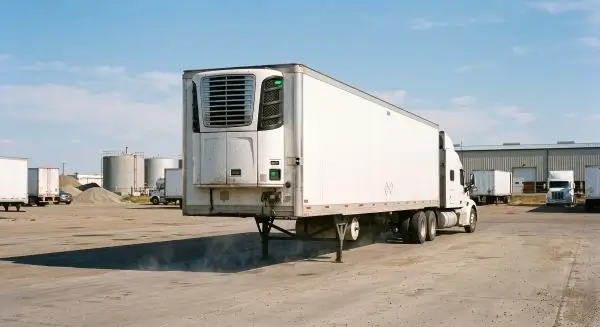
Reefer breakdowns are the failures of refrigerated truck or trailer units which cause a loss of set temperature and endanger perishable cargo. These are often caused by low refrigerant, blocked air flow, electrical faults, sensor errors or engine and compressor issues in the unit. Even brief stretches outside the safe temperature boundary can damage food, pharmaceuticals and other cold chain products that turn into rejected loads and increased expenses. Most fleets and drivers monitor reefer performance using temperature logs and telematics alerts to detect minor issues as they arise. In the following sections, we cover frequent causes, road warning signs, and actionable measures to reduce risk and downtime.
Why Summer Causes Reefer Breakdowns
Summer is the harshest season for refrigerated transport. High ambient temperatures stress every component of a reefer system, from the compressor and coils to belts, batteries and wiring. When units run longer and hotter, little faults that remained quiet in cooler months can quickly flower into full blown disasters, frequently with expensive freight losses. When you know why heat, load and maintenance all collide in summer, you can reduce unplanned downtime.
1. Extreme Heat
When outdoor temperatures rise above 30 to 35 degrees Celsius, the unit requires additional time and effort to extract the heat from the trailer. Cooling speed falls because the condenser rejects heat into hot air, and thus the temperature difference is smaller and less efficient. In high humidity, moisture removal places an additional load on the system, further hindering pull-down.
Inside the trailer, warm air pours in during loading and door openings and can increase temperature more quickly than the unit can recover it, particularly on deliveries with multiple stops. Direct sun on a dark trailer roof for hours can push skin temperatures well above the air itself, which contributes more heat gain and increases the chance of system overheating or safety shutdowns. Parking in shade whenever possible, applying reflective roof or side covers, and restricting door-open time are easy measures to reduce heat gain and decrease breakdown risk.
2. Airflow Restriction
 Lack of airflow is the number one reason a reefer has a hard time in summer. Pallets shoved up hard against the bulkhead, floor drains blocked with wrap, or air chutes crushed by cargo all stifle circulation.
When air can no longer move freely, cold air never reaches certain zones, and warm air returns late or not at all. That creates hot spots and temperature swings that the controller ‘sees’ as a need for more cooling, so the system runs even longer. Staging cargo to maintain clear air space around the evaporator and return vents, using proper load bars, and walking the trailer before each trip to identify barreling obstructions are inexpensive habits that save the freight and the unit.
3. Dirty Coils
Dust, bugs, and road grime on the condenser coils act as insulation, preventing heat flow to the outside air. In summer, when the refrigerant pressure is already high, this fouling means the compressor must run longer and at higher discharge temperatures to reach the set point.
Extended runtimes and elevated pressures increase wear on bearings, valves, belts and electrical components. Dirt or ice-coated evaporator coils reduce airflow and cooling, which can trigger alarms or cause the unit to cycle excessively. Routine coil cleaning, particularly following dusty routes or construction sites, and incorporating coil inspection into a written maintenance checklist assist in identifying issues early on. Deferred coil care or avoiding OEM service intervals and records tends to present itself initially as repeated high-pressure faults in hot weather.
4. Refrigerant Levels
A low charge not only cuts cooling capacity, it can starve the compressor of the lubrication it needs, increasing the likelihood of damage when head pressures peak in summer. Under high heat, those small leaks that sat stable all spring can get bigger as things expand and contract more.
Checking refrigerant pressures and temperatures before long hauls or peak-season runs and incorporating leak checks into regular service can prevent road frustrations. Recording each top-off, repair, and leak location establishes a pattern that highlights chronic weak points, such as a certain hose or fitting, instead of seeing each loss as a one-off event.
5. Compressor Strain
The compressor is the heart of the reefer, pumping refrigerant through the circuit to maintain the trailer at set point. During hot months, they run a lot longer each day and compressors are seeing extended runtime cycles that reveal hidden small faults, such as marginal valves or worn contactors, that didn’t break during cooler seasons. This nonstop load strains associated components like condensers, belts, and electrical harnesses.
Summer strain manifests itself as noisy starts, additional vibration, or short cycling. Those signs, along with recurrent high-pressure alarms, indicate that the compressor is on the verge of breakdown. Reducing door open times during loading and unloading, pre-cool timing, and mid-summer check ups for high-mileage units all minimize that stress. Neglecting service or treating OEM guidelines as optional is typically the cause of mid-season compressor breakdowns when fleets can least afford downtime.
6. Battery Weakness
Heat accelerates fluid loss within batteries and reduces their lifespan. A feeble battery that was just strong enough to crank the unit in spring might give out after frying in 95 to 104 degrees Fahrenheit sun, rendering the reefer unable to crank or maintain steady power for controls and fans.
Voltage, load and cable tests prior to hot summer routes help reveal a borderline battery before it fails on the road. Scheduled replacement of older batteries, as opposed to waiting for a no-start call, is frequently less costly than setting up emergency roadside service and managing spoiled freight. Operator goofs, running out of fuel, setting the wrong temperature, and leaving doors open, put additional strain on both batteries and the entire system. This is why preventive maintenance and simple operating checks continue to be essential weapons in the battle against summer reefer breakdowns.
Proactive Reefer Maintenance
 Proactive reefer and trailer maintenance keeps loads stable in summer heat, reduces unplanned downtime, and increases return on investment for fleets. It works best as a system: strong pre-trip habits, tight service schedules, real data use, and a culture that treats maintenance as an investment, not an optional cost.
Pre-Trip Inspections
Pre-trip checks prevent numerous summer breakdowns before they pull out of the yard. Drivers or yard staff can begin with a slow walk around, searching for evident damage, loose panels, door seal openings and any sign of oil, coolant or refrigerant leaks beneath the trailer. Even little streaks or wet spots on hoses, fittings, or around the compressor can indicate a bigger problem under high load.
Fluid checks are next. Oil, coolant, and fuel levels are within manufacturer ranges and sight glasses or gauges for refrigerant, where fitted, sit within normal bands. Low coolant on a hot day can push the engine into overheat, while low refrigerant can compel the unit to run longer, increasing fuel consumption and the possibility of failure.
Every pre-trip ought to involve a complete startup test. The driver sets the desired temperature, verifies the setpoint is accurate, waits to observe pull-down initiation, and verifies that all warning lights and alarm codes are cleared. There shouldn’t be passive monitoring of alarms; any active alarm should prevent a load from leaving until a tech signs off.
Standardized checklists make these steps consistent across shifts, locations, and seasons. Digital forms connected to unit IDs and odometer or hour readings provide accurate records for subsequent analysis.
Scheduled Servicing
Proactive Reefer Maintenance
Regular, scheduled maintenance keeps most summer breakdowns at bay when units run long hours at high load. Remaining as close as possible to manufacturer service intervals for engines, belts, refrigerant circuits, and controls provides a good baseline which fleets can compress for older or high-use equipment.
That means every service needs to feature filter changes, coil and fin cleaning, and key lubrication points. Dirty evaporator or condenser coils cause the unit to work harder to hold temperature, which increases fuel burn and wear. Many fleets incorporate checks of air bags, rotors, ABS plugs, and batteries into these visits, swapping worn items before they fail and scrubbing corrosion that can reduce lifespan. For instance, certain operators replace air bags on a regular schedule, such as every four years, to prevent in-route suspension failures that can harm reefer components.
Fleets should also maintain a documented preventive maintenance program appropriate to their equipment and operating conditions. Alberta’s safety and maintenance program guidance
Additional mid-summer inspections on near constant duty trailers help catch heat-related issues like cracked hoses, low coolant, or weak batteries. Fleets typically prioritize units by age, hours, and previous repair history to determine which trailers receive these extra inspections first.
Everything should land in a centralized maintenance log attached to each unit’s serial number. This backs warranty claims, demonstrates compliance during audits, and provides managers with a precise view of cost per unit over time.
Data Monitoring
They take plain old preventive work and turn it into real predictive maintenance. Telematics or built-in sensors can monitor temperature inside the trailer, both return and discharge air, run hours, fuel level, door openings, and current fault codes. This live view assists staff in noticing when a unit has difficulty holding setpoint during heat waves or extended door-open cycles.
Real-time alerts to temperature deviations or equipment faults enable dispatch or maintenance teams to intervene before product loss. An alert that cargo temperature is drifting above range can trigger a quick check. This can include routing the driver to a nearby shop, reducing door time at the next stop, or moving sensitive freight to another trailer.
Historical data lets you analyze trends. Engineers or fleet managers can scan repeated high-pressure alarms on a particular unit, slower pull-down times over months, or more frequent low-battery warnings. That pattern can indicate a coil that requires deep cleaning, a fan on its last legs, or a charging system error. Over time, fleets can plan part replacements like batteries or some sensors based on actual failure curves instead of guesswork and work with suppliers and OEMs to have important parts in stock.
Key parameters worth tracking include:
- Trailer and return air temperature
- Discharge air temperature
- Setpoint and actual temperature gap
- Compressor run hours and start frequency
- Fuel level and burn rate
- Active and historical alarm codes
- Door open duration and count
Along with effective proactive programs often goes a culture shift. Management views maintenance budgets as a shield for assets and cargo, not a line item to slay, and educates drivers and technicians alike on summer-specific threats so that symptoms are met with the proactive approach, not the postponing.
Recognizing Early Warning Signs
 Reefer breakdowns don’t just seem to come out of nowhere. Performance tends to degrade gradually, with red flags appearing weeks or months prior to the drive’s doom. By training drivers, techs, and dispatchers to recognize these early warnings, it reduces load loss, prevents roadside delays, and provides maintenance teams with time to strategically plan repairs rather than react in emergency mode.
Common early warning signs and why they matter include:
- New or louder mechanical noises can point to worn bearings, loose mounts, or failing fans.
- Small but persistent temperature swings often mean weak sensors, sticking valves, or low refrigerant.
- Fluid spots under the unit hint at oil, coolant, or refrigerant leaks that grow over time.
- Frequent error codes or low-voltage alerts can trace back to weak batteries, loose wiring, or parasitic draws.
- A sudden rise in electrical use may show that the system is working harder to hold normal setpoints.
Any of these should prompt quick inspections, not wait until the next big service. Logging when, where, and what the driver observed or heard establishes a pattern that aids mechanics in troubleshooting quicker and reducing return visits.
Unusual Noises
Grinding, rattling, buzzing, or a sharp squeal from the compressor, condenser fan, or evaporator fan usually indicates worn bearings, loose brackets, or parts that are out of balance. Most issues that manifest as fault codes first appear as faint sounds, so drivers should address any new noise, particularly one that intensifies under load or at low speed, as an immediate repair warning.
Drivers can observe when the noise occurs, for example, on pull-down only, on idle only, or on rough roads only. This easy journal, associated with trip and temperature, offers the technician a much clearer launching pad and may prevent a minor challenge from turning into a full reefer failure.
Temperature Fluctuations
Any abnormal spikes or falls within the cargo compartment are one of the most obvious indications that a reefer isn’t maintaining consistent operation anymore. A performance drop is almost always gradual and sometimes begins with 1 to 2 degrees Celsius above setpoint, then grows into longer swings as parts fail or charge drops.
If swings persist, even with the doors remaining closed, it could indicate a dying sensor, sticky expansion valve, or weak compressor. An unexpected increase in electrical consumption, with no change in commute or hours, can indicate the unit has to run prolonged cycles simply to maintain the same temperature.
Using independent digital thermometers or remote sensors and not just relying on the reefer’s display provides a more precise perspective. Documenting each exception with time, setpoint, and load type enables maintenance to follow up on recurring problems and identify machines that require more in-depth inspections.
Fluid Leaks
Any puddle or drip or wet streak under the trailer after parking should be investigated. Oil spots can indicate compressor seal wear, refrigerant oil loss or engine problems on diesel-driven units. Colored coolant or clear refrigerant suggest leaks that will worsen with vibration and time.
Additional care tips include cleaning all leaks immediately. This reduces slip risk, prevents environmental damage, and facilitates detection of leak recurrence. Incorporate a simple walk-around leak check to every pre-trip and post-trip inspection to identify slow air leaks, bad hoses, or loose fittings well before they cause serious downtime.
Error Codes
Fault and error codes on the reefer control panel are late-stage indicators that something has already gone out of range. Most problems, such as loose connectors or sensor drift, manifest initially as visual or audible changes and only later as codes when thresholds are exceeded.
Operators need to look up each code in the unit manual and follow the listed next steps instead of clearing alarms to “get moving.” The system should then be reset only after the probable cause is inspected or repaired.
Just maintaining a straightforward log of repeating codes, along with any associated behavior like low-voltage warnings overnight, hard starts in the morning, or extended run cycles helps spot ongoing electrical or fuel issues that might leave a truck stranded and unable to start when it’s required to.
The Unseen Electrical Drain
Electrical faults in reefers often stay hidden until they hit hard: a unit that will not start, a trailer full of warm cargo, or a fuel bill that suddenly spikes. A hidden electrical drain can run a compressor longer than necessary, send fans into overtime, and produce an obvious increase in fuel or electricity consumption, even if routes and loads haven’t shifted. In most fleets, that slow drain is the first indication that the electrical system is unhealthy, with uneven cooling, ice on the trailer, or false alarms appearing far before a full failure.
Heat exacerbates all of this. In summer, every electrical part runs hotter: alternators, batteries, sensors, wiring, and control boards. High ambient temperatures, frequently above 30 to 35 degrees Celsius, accelerate wear on insulation, increase resistance in poor connections, and stress marginal components that tested fine during cooler months. Older units, particularly those in the 7 to 12 year range that see heavy use, are more prone to these age-related faults, from brittle wires to tired compressors that pull more amps and trip breakers.
Routine electrical inspections must sit alongside standard mechanical schedules. That means not only changing filters or checking oil, but testing charging voltage, load-testing batteries, and looking for parasitic draws when the reefer is off. Simple chores like cleaning condenser coils every 3 to 6 months reduce operating pressures and therefore reduce current draw, which keeps contactors, relays, and motors under less stress and reduces the risk of unseen drains.
Drivers and operators should be aware of early warning signs. Dim work lights, sluggish starter cranks, fans that surge or cycle in strange patterns, or cargo areas that never get to setpoint all spell electrical trouble. Warm spots in the load, ice on evaporator housings inside the trailer, or temperature graphs that swing more than normal can indicate sensors, control wiring, or the compressor circuit are misbehaving, even if the reefer still “runs.
Alternator Stress
Alternators in reefer trucks are working overtime this summer because cooling demand increases. Fans, blowers, control modules and occasionally electric standby systems all draw increased current when ambient temperature increases or the trailer door opens frequently. If the alternator can’t keep up, it pulls from the battery, which means deeper discharge cycles, increased fuel consumption from longer runtimes and increased no‑start scenarios at the most inopportune times.
Dashboard warning lights associated with the charging system provide one of the most obvious early hints. A glowing battery icon, voltage alert, or multiple low-voltage codes on the reefer controller should never be dismissed or reset without diagnosing. In for service, techs should load test alternator output, measuring voltage and amperage at idle and working speeds. Any alternator having trouble maintaining steady output or exhibiting noisy readings is a danger when peak season heat and long runs appear.
Swap out a weak alternator before summer to dramatically reduce the risk of roadside failures. The upfront cost is typically a fraction of what a lost load or emergency service call or spoiled goods claims. When units age beyond the mid-life mark, it’s worth combining alternator inspections with an audit of belt wear, tensioners, and wiring from the alternator back to the battery and reefer unit so the entire charging circuit is robust before need increases.
Corroded Connections
Corrosion on electrical connections is one of the biggest culprits of unseen power drain in reefers and it is one of the most commonly skipped quick inspection items. Battery terminals, wiring harness plugs, and ground points on the chassis or frame can all accumulate oxide layers, road salt, and moisture-driven deposits. This accumulation increases resistance, causes voltage drops, and can make compressors and fans pull more current to accomplish the same task.
Once in every routine maintenance cycle, have these points physically checked and cleaned. That includes removing battery clamps, brushing off white or green corrosion, tightening loose lugs, and unplugging key harness connectors to check for dull or blackened pins. When connections are clean and tight, voltage hovers closer to design levels, which prevents these partial power states that lead to inconsistent cooling, weird control errors, or evaporators that cannot defrost on schedule and end up covered in ice.
A thin film of dielectric grease on exposed terminals and plugs assists in forestalling moisture and inhibits new corrosion. It is great on battery posts, reefer power plugs, and sensor connectors near the floor where water, muck, and road grime are prevalent. It’s useful to record each cleanup, repair, and replacement in an easy service log. Over time, that record reveals patterns, like a specific ground point that requires additional treatment or a cable stretch that breaks down more frequently and should be substituted with top-quality components.
Sensor Malfunctions
Temperature, pressure and occasionally humidity sensors provide data to the controller, which determines how long the compressor runs, when fans cycle, and how defrost should be handled. If any of these sensors drift or fail, the system will over-cool, under-cool, or short-cycle the compressor. All of these issues increase electrical load and can damage parts.
Periodic inspections make sure that sensors reflect reality. That can mean comparing probe values with a calibrated handheld thermometer placed near the same point or checking pressure sensor outputs against known gauge readings. When calibration is off, controllers run the compressor longer than necessary, resulting in unseen electrical drains, higher fuel burn, and increased stress on aging compressors already operating at the brink.
Routine calibration, typically at least once annually or as recommended by the manufacturer, helps keep measurements sharp. Faulty sensors, those that jump, freeze at one reading or create obvious gaps between display and actual cargo temperature, should be replaced immediately, not deferred until the next major service. Slow sensor faults frequently manifest as warm cargo in select pallets, excess ice on coils due to mistimed defrost, or inexplicable energy consumption despite identical setpoints.
Maintaining a lean inventory of spare sensors minimizes downtime and prevents the urge to ‘use it until it breaks’. The table below gives an example layout for a basic reefer sensor inventory:
| Sensor Type | Qty on Hand | Typical Range | Connector Type | Notes |
|---|---|---|---|---|
| Supply air temp | 4 | −30 to +30 °C | 2‑pin sealed | For main discharge plenum |
| Return air temp | 4 | −30 to +30 °C | 2‑pin sealed | Place near bulkhead |
| Box temp probe | 6 | −40 to +50 °C | 2‑pin molded | For multi‑point logging |
| Suction pressure | 3 | 0 to 30 bar | 3‑pin Deutsch | Match refrigerant type |
| Discharge pressure | 3 | 0 to 40 bar | 3‑pin Deutsch | Check rating before swap |
| Humidity sensor | 2 | 0–100 % RH | 4‑pin | For sensitive food or pharma |
Managing On-Road Failures
It all begins with clear, simple rules that every driver can follow under stress to manage reefer failures on the road. The aim is to move quickly, safeguard the cargo, and capture sufficient detail to assist insurance and customer conversations afterwards. Then revisit and update the plan a minimum of annually.
Driver Protocol
- STOP IN A SAFE SPOT AT THE FIRST SIGN OF TROUBLE – warning lights, strange noises, rising box temperature. Safety first, so the driver should set brakes and warning triangles. Calm down before even swiping the unit or doors.
- Call dispatch and fleet maintenance immediately by phone or the in-cab system. Provide location, alarm codes, cargo type, and temperature, and wait for explicit directions. Don’t assume.
- Give drivers a short troubleshooting script: check the display for alarm codes, confirm the unit has fuel and power, verify setpoint and mode, and try only approved resets. They should know what each common alarm code means and when they have to stop tapping on the unit and call a technician since compressor failure or other mechanical faults can worsen with improper resets.
- Instruct drivers to secure the load by limiting door openings, checking for obvious air leaks, and placing manual temperature probes or loggers near the most sensitive cargo. Then record every action, time, and reading in a log or app, since insurers look hard at these records and at pre-trip checks when judging claims.
Load Protection
To minimize heat gain is to buy time. Just tell your drivers to keep doors closed, park in shade when possible and minimize extended open door times at docks or checkpoints. Even with the unit down, many loads have a few hours’ leeway for repair, depending on load and ambient temperature.
Manual temperature logging becomes crucial after the reefer goes down. Drivers must take readings every 15 to 30 minutes with portable loggers or handheld thermometers. Mark each with time, position in the trailer, and temperature.
If the risk is high, such as ice cream or pharmaceuticals, dispatch should look at backup options. These options include transferring to a rental reefer, cross-docking into a cold room, or moving to another unit in the fleet with spare capacity. This is best when the company already has an emergency repair and rental scheme with established contacts, service regions, and approval limits.
Customers require early, candid notifications. Dispatch should describe what occurred, what actions are in progress, and if a delay or partial loss is possible, supported by the temperature data.
Professional Diagnosis
Only skilled techs should work on intractable reefer repairs, especially failures related to compressors, refrigerant leaks, or control systems. Remote triage can focus the problem, but local diagnosis is typically required before an extended journey proceeds.
That means companies need to have a network of 24/7 roadside and on-site service providers along their usual routes, including possibly short-term rental units or backup trailers. Quick dispatch of a mobile service truck minimizes downtime and helps reduce the risk of load loss.
Prior to the unit going back in service, demand a full inspection, test run at various setpoints and written verification that alarms are cleared and key components, like compressor and fans, are operating under load. Keep all of your reports, work orders and temperature logs with your maintenance records, as missing paperwork frequently results in denied insurance claims and blame games with shippers. Going over these failure cases at least once a year helps tighten training, update protocols and harden soft spots in the fleet.
Your Partner in Uptime
Your trusted uptime partner keeps reefers rolling, safeguards freight and reduces the risk of instantaneous loss that could soar to or exceed $40,000 per load.
At your partner in uptime. A trusted expert in reefer inspection, repair and maintenance starts with a transparent process, not guesswork. That translates to standard checklists, calibrated tools, and techs trained on popular brands and mixed-age fleets. They’re familiar with older units, which counts because certain insurance plans won’t cover breakdowns on units over 10 years old. With a partner like this, you get more than “it works” or “it failed.” You receive crisp observations on compressor health, electrical and fuel systems, and temperature control performance, all linked to dates and unit IDs. Such a level of detail helps you demonstrate that you took care of your equipment when a claim is at stake.
Service packages are most effective when they align with the usage patterns and locations of fleet operation. A good provider offers tiers based on route length, cargo type, and reefer age. For example, monthly inspections for high-risk perishables, quarterly deep checks for mixed freight, and pre-trip checks before long cross-border hauls. A lot of shippers and insurers want monthly inspection records anyway, so packages that incorporate scheduled visits and digital reports tick both maintenance and compliance boxes. Your partner in uptime.
The right plan keeps units within target range, which is key since bacteria can grow if temperatures rise above 7.2°C for long.
Quick action in a breakdown can be the difference between a small hiccup and a full cargo spoilage claim. Experienced mobile techs who understand reefer systems can triage onsite, log temperature trends, and attempt to maintain the box in a safe range during repairs. If loss still occurs, their notes cover a reefer breakdown endorsement claim, which can pay for spoilage due to mechanical or electrical failure. Solid documentation cuts down on battles with insurers over what broke and when.
Conclusion
Reefer breakdowns smack like a ton of bricks in the summer heat. They don’t just come out of nowhere. Heat strain, skipped checks, small leaks, weak batteries and loose wires all add up. Then the unit dies, and the load languishes in jeopardy.
Small steps reduce that risk significantly. Quick pre-trip checks, clean coils, tight doors, clear drains, and simple alarm checks all make a difference. Load locks, good fuel habits, and a clear plan for road help are important as well.
Reliable support is important, too. A crew that knows your routes, your gear and your goals keeps units cold and freight safe.
We all have gaps in our reefer plan right now. Select one vulnerability and repair it on the initial outing.
Frequently Asked Questions
What causes most reefer breakdowns in summer?
Hot outside air, weak circulation, low refrigerant and poor PM cause most summer reefer breakdowns. Heat overloads the system and makes it work harder and longer. Any little thing, a dirty condenser or a loose belt, promptly turns into a breakdown on the road.
How often should a reefer unit be serviced to prevent breakdowns?
Most fleets go by a preventive maintenance schedule every 800 to 1,000 engine hours or at least every 3 months in hot seasons. Routine checks on belts, hoses, refrigerant levels, filters, and electrical connections minimize unexpected failures and downtime.
What are the early warning signs of a reefer about to fail?
Keep an eye out for temperature swings, longer pull-down times, strange noises, constant alarms, icing, and increased fuel consumption. Any alteration from their normal performance is a red flag. It is far less expensive to fix these signs in their early stages than it is to suffer a full load loss or roadside breakdown.
How does the electrical system contribute to reefer breakdowns?
Dead batteries, corroded cables, bad grounds and failing alternators cause low voltage. Low voltage can cause error codes, random shutdowns and compressor or fan failure. Most ‘mystery’ reefer breakdowns are electrical drain problems, not refrigeration parts failures.
What should drivers do first when a reefer fails on the road?
First, protect the cargo. Close doors, document temperature and alarms. Then call dispatch or your service provider with unit model, error code and load information. Don’t just keep resetting alarms if you don’t know why. That can exacerbate the damage.
How can fleets reduce reefer downtime during peak summer season?
Employ a rigorous preventive maintenance schedule, pre-trip inspections on each load, and data tracking of temperature and alarms. Train drivers to notice the early signs. Pair that with a 24/7 mobile service network so breakdowns are handled quickly, with minimal product risk and delay.
Why is partnering with a specialized reefer service provider important?
Specialized providers know reefer systems, have the proper diagnostic tools, and understand load-critical response times. They can detect underlying issues, such as electrical drain or airflow problems, before they lead to breakdowns. This knowledge safeguards freight, minimizes claims, and maximizes uptime.