
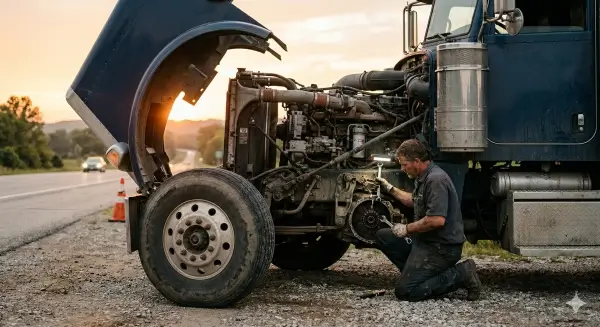
- Key Takeaways
- The Lifespan Equation
- Decoding Clutch Distress Signals
- Proactive Clutch Care
- The Clutch Technology Evolution
- Beyond the Replacement Cost
- When Repair is Unavoidable
- Conclusion
- Frequently Asked Questions
- How long does a truck clutch usually last?
- What are the early signs my clutch is wearing out?
- Can driving habits extend clutch lifespan?
- How do towing and payload affect clutch life?
- What maintenance helps prevent clutch failure?
- Are newer clutch technologies more durable?
- When is clutch repair or replacement unavoidable?
Key Takeaways
- Truck clutch lifespan isn’t about mileage. It’s about driver habits, load, terrain, and maintenance. Heavy-duty clutches can often last between 320,000 and 480,000 kilometers under pristine conditions, so control variables to keep in that ballpark.
- Teach them not to ride the clutch and shift smoothly, especially in stop-and-go traffic. Arrange regular coaching and ride-alongs to reinforce clutch-friendly habits.
- Manage loads to decrease strain on the clutch by monitoring average payloads and eliminating excessive weight. Use route planning to avoid steep grades and congested areas that cause repeated clutch action.
- Adhere to a preventive maintenance schedule with inspections, adjustments, fluid and linkage checks. Maintain good records to identify early wear patterns and preemptive servicing.
- Respond quickly to SOS signs like slipping, hard shifting, noise or burning smells. Symptom hygiene: Document symptoms with dates, routes and load details to accelerate accurate diagnostics and minimize damage.
- Calculate total ownership costs by including downtime, collateral drivetrain repairs, and safety risks. When it comes time for repair, select a reputable heavy truck specialist or mobile service to reduce downtime and safeguard your fleet’s dependability.
Truck clutch lifespan fluctuates between 80,000 to 160,000 km, with huge variations depending on load, driving style and maintenance. Heavy towing, stop-and-go routes and steep grades all shorten life, while steady highway use and light loads make it last longer. Material type matters too: organic discs tend to wear faster than ceramic or ceramic-metal mixes, which handle heat and slip better. Wear manifests itself in slip under load, higher bite point, shudder on takeoff or gear grind. General maintenance assists, such as repairing leaks that foul the disc, inspecting pedal free play and bleeding the hydraulic line. To help you set expectations and budget, the sections that follow outline factors, warning signs, maintenance tips and approximate replacement ranges.
The Lifespan Equation
Clutch life isn’t a constant. It varies with driver habits, load, route terrain, and maintenance. Hard working units can hit 200,000 to 300,000 miles under clean, consistent operating conditions. We’ve seen everything from catastrophes at 30,000 miles to surviving well beyond 1,000,000 miles in long-haul fleets with easy start and stop duty cycles and strict maintenance regimens.
- Key factors checklist: * Driver inputs: launch RPM, slip time, gear choice, and idling in gear.
- Load: average mass, peak mass, frequency of maximum gross weight events.
- Terrain: grades, stop density, rough surfaces, altitude heat cycles.
- Maintenance: inspections, adjustments, lubrication, recordkeeping, prompt fixes.
1. The Driver

It is riding the clutch at stops and baking live with the pedal half down that cooks friction material quick. Hard launches, high-RPM shifts and late gear changes generate heat and glaze the disc. Drivers who downshift early, match revs and get off the pedal as the clutch bites enjoy far longer life.
Stop-and-go work actually multiplies engagement cycles. City delivery and waiting in port queues frequently slice life compared to smooth highway hauls. Training aids include brief courses in throttle control, progressive shifts, and braking—not the clutch—to hold stationary, which can extend life from 50,000 miles (80,467 km) to 175,000 miles (281,635 km) or more.
Skilled habits are why some log 350,000 to 400,000 miles, others 600,000, some even 808,000 to 1 million miles of OTR service.
2. The Load
Operating at or above max gross weight sends more torque through the clutch on every start and hill. That pulls out slip and heat. Monitor mean payload by lane and season to identify patterns in wear versus weight.
Eliminate dead weight, such as racks, tools, or pallets that travel empty. Lighter starts translate to less slippage and cooler temperatures.
- Light loads: longer life, lower heat
- Moderate loads: midrange life, stable heat
- Heavy loads: shortest life, frequent hot spots
3. The Terrain
Steep climbs and descents cause more launches and downshifts, so wear climbs. Dense urban grids, lights, and queues shorten life through cycling.
Rough sites or off-road legs introduce shock and micro-slip. Plot routes to identify high-wear corridors and then schedule inspections around those miles.
4. The Maintenance
Hot spots, chatter or slip are caught by regular checks before they strand the truck. Adhere to maker periods for chain or hydraulic fixes, free bearing lube and flywheel surface inspections. Maintain logs to associate breakdowns with paths, operators and loads. Focus tasks on free play checks, actuator health, air leaks, clutch brake condition, fluid integrity, bellhousing seals, and prompt correction of any slip.
Decoding Clutch Distress Signals
Clutch distress manifests in the form of slipping, forced shifts, strange noises, or pungent smells. Act early to minimize damage to the disc, pressure plate, release bearing, and hydraulics. Record the date, load, road grade, speed, and gear every time a symptom appears. Determining the signs of distress visually and auditorily is the initial step in resolving clutch problems.
- Quick reference: * Slipping: Engine revs rise, road speed lags. Heat risk.
- Hard or spongy pedal: Hydraulic leak, air, or worn master or slave.
- Noises on shift: Worn release bearing, fork, or input shaft issues.
- Burning smell or smoke: Clutch overheating, friction lining decay.
What You Feel

Slipping Clutch – feels like lost pull. The engine sputters, but the truck doesn’t go forward like it should. RPMs spike and road speed remains. On grades or with a full load, the lag gets worse. It can come and go as parts heat up, then settle when cool.
A heavy pedal indicates binding linkage or a defective pressure plate. A spongy pedal suggests either air in the hydraulic line, fluid loss, or a weak master or slave cylinder. The clutch pedal is typically on the floor to the left of the brake pedal, so verify foot placement to eliminate rookie mistakes.
Hard gear engagement, grinding in first or reverse, or a requirement to “double clutch” excessively are early symptoms of wear or bad release. Note clutch life varies; some reach 50,000 to 100,000 miles before work, while many heavy-duty units run 350,000 to 600,000 miles. There are wide reports of issues at 450,000 miles, failures at 808,000 miles, and rare cases up to 1.5 million miles.
Maintain a brief record. Write down the sensation at start-up, in traffic, on hills and after long runs. Patterns lead to an accurate diagnosis.
What You Hear
If your vehicle is grinding when you select gears, squealing when you press the pedal or rattling at idle that quiets when you depress the clutch, it’s clutch or input shaft wear. A growl on release frequently points to the release bearing. A chirp can signify fork or pivot wear.
If the sound spikes during shifts, the clutch may not be fully disengaging because of warped discs or weak springs. Don’t ignore persistent sounds. They frequently manifest in advance of a roadside breakdown. Build a simple audio checklist using phone notes: normal idle, normal shift, abnormal sounds under load.
What You Smell
If you smell a strong, acrid burning after you do a hill start or tight backing point, it indicates clutch overheat. It may come after multiple stalls in stop-and-go runs or when hooking up trailers. If it smells, the lining is breaking down and the life span is sinking quickly.
Search for heat haze or light smoke at the bell housing following a hard pull. If there’s any sign of heat or smell when working, immediately check free play, fluid level, and leaks. Early fixes are a lot cheaper than a whole clutch pack.
Proactive Clutch Care
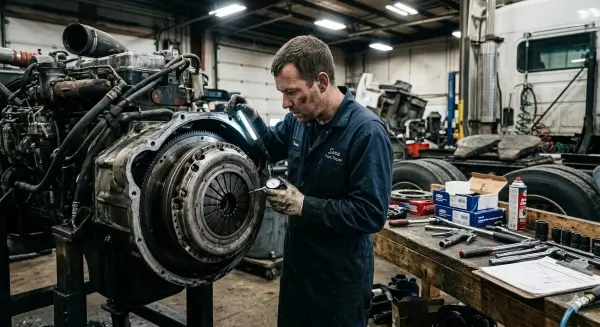
Proactive clutch care. Proactive clutch care, too: routine checks and quick fixes save uptime, especially with high-mile fleets. Establish a maintenance schedule with distance and hour-based reminders. Monitor weight, routes and notes to driver. Use a simple checklist to keep actions consistent and auditable.
Driving Habits
A proactive clutch care tip is to teach drivers to leave the left foot off the pedal when cruising. Riding the clutch or ‘keeping it on the bite’ grinds friction material and overheats components. Over a year, this habit alone is enough to slash service life by a big margin.
Coach smooth launches with the minimum slip, then crisp, rapid shifting. Try to unweight the pedal in less than a second for each shift. Downshift when needed for grade or speed control, but don’t crawl for long in very low gears. That places load on the clutch and generates heat.
Quit keeping your engine engaged while waiting at lights or in lines. Put it in neutral and set the brake. This relieves load from the release bearing and cover. Going beyond GVWR adds damage at every ignition, so verify loads remain within the stamped capacity.
Conduct short feedback sessions monthly. Check telematics on shift count, stop-start rates, and clutch temperature if available. Combine data with ride-alongs for actual coaching, not fault. Little tweaks in style translate to significant lifespan returns.
Maintenance Routines
Set intervals by duty cycle: for line-haul, inspect every 80,000 to 120,000 kilometers. For mixed or urban work, shorten that window. Check release travel, free play, and pedal height. Small tweaks bring back full clamp load and crisp release.
If hydraulic, check clutch fluid for moisture and debris. Change fluid on time to prevent corrosion in master and slave. Follow the specifications the manufacturer lists and purge air to avoid partial release.
So, at every service, inspect linkage, bushings, and cables for slop or rub points. Misalignment increases engagement time and heat. Proactive Clutch Care: Ensure bellhousing fasteners and mounts are tight to keep the input shaft true.
Choose the appropriate clutch for the task. Proactive Clutch Care A dual-plate unit with two discs often handles heavy loads, dissipates heat, and endures. Pair torque rating with engine output and route profile. With the right spec and care, a clutch in line-haul can run between 500,000 and 1,000,000 miles (800,000 to 1,600,000 km).
Log every action in a service book: dates, km, parts, symptoms, and fixes. Use alerts to flag slip, chatter, smell, or rising pedal effort. Act early and avoid big bills later.
The Clutch Technology Evolution
Clutch design has raced to keep up with increased torque, tougher emissions, and longer service intervals. The aim is simple: hold more heat, keep grip stable, and cut downtime while keeping control smooth and predictable.
Advancements in materials for durability and heat control
Friction facings have moved from all-organic mixes to engineered blends that withstand higher heat and wear. Modern heavy-duty sets utilize ceramic, semi-metallic, or sintered iron facings that maintain friction at high levels at 200 to 350 degrees C and continue to resist glazing in stop-and-go work. Pressure plates employ superior ductile iron and enhanced heat paths that distribute load and eliminate hotspots. Diaphragm springs get shot-peen and improved alloys to decelerate fatigue. These improvements push real-world lifespan past the traditional 50,000 to 100,000 miles benchmark of light trucks and help heavy-duty vehicles to cross 300,000 miles. In well-maintained OTR fleets carrying average loads, we witness 350,000 to 400,000 miles on a stock clutch. There are even rare instances, under near-perfect highway usage and regimented service, of clutches going beyond 1.5 million miles. That’s not typical, but it demonstrates just how much materials and construction now count.
Self-adjusting clutches to reduce upkeep
As linings wear, clamp force and pedal height vary. All self-adjusting designs utilize either a ring or ramp system in an attempt to keep release travel and clamp force as close to target as possible. That translates into consistent pedal sensation, reduced danger of slip from last-minute corrections and fewer trips to the shop. It saves drivers from riding the clutch to regain a bite point. When combined with regular inspections—checking for oil leaks, adjusting pedals to spec, and verifying jake brake actuation timing—these systems extend service life and keep trucks rolling. Less manual tuning cuts down labor hours in the workshop.
Electronic clutch control to improve engagement
Electronic systems in AMT or automated manuals employ sensors to time slip and torque handoff by load, grade, and speed. The unit grabs slick and fast in lower gears and maintains slip brief on climbs, which reduces heat and wear. It reduces driver fatigue in hard places such as backing to a dock or crawling in traffic. Good habits still count: start in the right low gear, use engine or Jake braking to slow, and avoid holding on the clutch at lights. The clutch evolution fleets wisely control and habit, fleet life targets and change-outs. Typical replacement costs range from $600 to $2,000 in heavy-duty trucks, with 4 to 20 hours of labor, so a longer interval saves real money.
| Feature | Traditional Clutch | Modern Clutch |
|---|---|---|
| Facing material | Organic | Ceramic, semi‑metallic, sintered iron |
| Heat tolerance | Moderate | High, stable at sustained heat |
| Adjustment | Manual | Self-adjusting mechanisms |
| Control | Driver-only | Electronic/AMT control logic |
| Typical lifespan | 50,000–100,000 mi (light duty) | 300,000–400,000+ mi (heavy duty, OTR) |
Beyond the Replacement Cost
Connected to more than parts and labor. Failures ripple through schedules, safety and the rest of the drivetrain and the real invoice arrives in lost time, missed loads and subsequent repairs.
Downtime
Unplanned clutch work can immobilize a truck for 1 to 3 days, sometimes longer if parts are backordered or a dual-plate unit is specified. Just one missed day on a long-haul route can result in falling behind 600 to 1,000 kilometers of deliveries and push other loads out of slot windows. That lost time is multiplied when a truck is idle at a remote shop.
Extended downtime impacts service levels. Late arrivals incur surcharge fees, decrease on-time percentages, and eventually eat away at customer confidence. Fleets that miss critical windows at docks or ports incur rebooking fees and waste driver hours.
Schedule inspections around known wear patterns and duty cycle. A good-quality clutch should last between 800,000 and 1.6 million kilometers, only if loads remain under the vehicle’s GVWR and drivers steer clear of low gears that bake the clutch. Monitor average repair times by location and by model to manage realistic availability predictions and determine when to stage spares.
Collateral Damage
Heat and slip don’t end at the disc. Running a failing clutch can score the flywheel, overload the pressure plate, and shock the transmission input shaft and bearings. Pushing a clutch beyond its intended duty or an engine past GVWR accelerates wear and can bend budgets way beyond a basic kit switch.
Typical secondary repairs are flywheel resurfacing or replacement, pilot and release bearings, input shaft seals, and even synchro packs. Check flywheel face, runout, rear main seal, fork and pivot, hydraulic lines, and mounts with every clutch service. Catching blueing, glaze, or metal dust early saves gearsets later.
| Collateral repair | What it covers | Typical range (EUR) |
|---|---|---|
| Flywheel replacement | Cracks/heat spots | 600–1,500 |
| Input shaft bearing/seals | Noise/leaks | 300–800 |
| Synchro pack service | Shift grind | 700–2,000 |
| Rear main seal | Oil on disc | 250–600 |
| Hydraulic components | Lines/cylinders | 200–700 |
Safety Risks
A slipping or seized clutch can make you lose control on a grade, at a roundabout, or in heavy traffic. Tough shifts extend merge times and cause stall hazards at junctions. Fix problems quickly to keep drivers, freight, and surrounding motorists safe. Keep in mind that a portion of failures comes from aging components or occasional defects. Dual-plate systems might alter both failure types and cost structures.
Safety checklist if problems arise:
- Move over to a safe shoulder and utilize risk and pyramids.
- No hills! Pick level exits and broad spaces prior to going.
- Begin a higher gear only if necessary to move off the road.
- Don’t ride the clutch. Lighten load if feasible and permitted.
- Call dispatch, note symptoms and schedule a tow if the shift is doubtful.
When Repair is Unavoidable
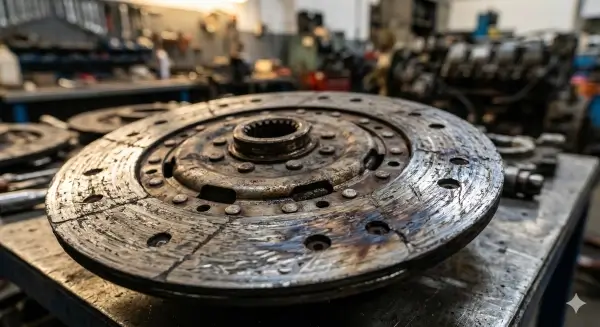
While some clutch issues can be resolved with adjustments, others require repair to prevent a roadside halt and increased expenses. Clutches often last between 80,000 and 160,000 kilometers on light trucks, but that range can vary widely with load, route, and maintenance. Heavy-duty and semi-truck clutches can achieve between 480,000 and 965,000 kilometers on steady highway runs, but city routes with stop-and-go wear plates and springs wear quickly. Cold weather adds stress as well. Thicker transmission fluid and tighter seals on early starts can result in harsh or delayed shifts, which feels like a clutch fault and accelerates wear.
Recognize the indicators that suggest you should schedule service today, not tomorrow. Scan for slip on hills or in hard pull, where engine speed increases but road speed does not. Listen for grind or hard shifts as you shift between gears, a hot or burning smell from overheated friction material, loss of pull under load, and shake or chatter as you release the pedal. If the clutch bites high on the pedal, that’s often a sign of thin discs. If you have to press the pedal to the floor to obtain a clean shift, the release system can leak or bind. In winter, a little warm-up and silky first shifts can get fluid moving and seals to seat, but if symptoms persist, repair is imminent.
When Repair Can’t Be Avoided Techs inspect free play, pedal height, hydraulic or air-assist functionality, clutch brake wear, pressure plate loading and flywheel face runout. You repair the source, not just the racket. When a swap is unavoidable, they pair clutch size, torque rating and friction compound to duty cycle—linehaul, regional or urban—so you receive longer life, not temporary respite. Nothing like a new unit, adjusted to spec clearances with a spotless flywheel face, to make the truck drive like new and provide peace of mind for many kilometers.
It’s painful. Their mobile repair team carries tools and parts on site—yard, dock or roadside—so you skip long tows and wasted hours. Its TANGIBLE helps fleets keep schedules tight and owner-operators protect revenue days. Their experience with heavy-duty systems generates confidence where the clutch is the vulnerable component.
Conclusion
In short, a truck’s clutch life depends on load, route, and driver habits. City stop and go, steep grades, and heavy towing reduce truck clutch lifespan. Easy shifts, consistent throttle, and fresh starts extend years. Clear signs show up early: slip at high rev, hard shifts, burnt smell, or a jumpy takeoff. Simple checks help a lot: fluid level, pedal free play, leaks, mount wear, and clean air paths.
New parts do last longer, but no configuration is immune. Plan on parts, labor, and downtime. Schedule the swap before it goes.
Want a fast next step?
About | truck clutch lifespan Track your trips and payloads for a month. No skid, no slip, no heat, no smell. Drop that list into a shop you trust and establish a check date.
Frequently Asked Questions
How long does a truck clutch usually last?
Most truck clutches last between 80,000 and 160,000 kilometers. Heavy loads, stop-and-go driving, and bad habits reduce lifespan. Highway driving and technique lengthen it. Stick with your service schedule and keep an eye out for changes in feel or noise.
What are the early signs my clutch is wearing out?
Look for slipping under load, elevated engine revs without speed increase, a spongy or stiff pedal, grinding shifts, burning smells or chatter at launch. Recognize the symptoms early to prevent expensive damage.
Can driving habits extend clutch lifespan?
Yes. Use smooth launches, shift at the appropriate rpm, don’t ride the clutch, and don’t hold the truck on hills in the clutch. Cut down on unnecessary gear idling. Good technique reduces heat and wear.
How do towing and payload affect clutch life?
Heavy payloads and constant towing generate additional heat and friction. This accelerates wear. Use the right gear, don’t slip the clutch, and get a heavy-duty clutch if you tow a lot.
What maintenance helps prevent clutch failure?
Inspect and adjust clutch pedal free play if applicable. Rebuild cylinders, replace lines, and inspect hydraulic fluid. Repair oil leaks that saturate the disc. Keep the driveline straight. Observe manufacturer intervals.
Are newer clutch technologies more durable?
More often than not, yes. New friction materials, improved pressure plates, and dual-mass flywheels can increase smoothness and lifespan. Opt for OE-quality or trusted aftermarket parts tailored to your truck’s application.
When is clutch repair or replacement unavoidable?
If it slips under moderate load, can’t hold gear on hills, smells burnt, or the pedal ‘bite’ point is extreme, it’s probably due for replacement. Blue or cracked flywheel surfaces indicate end of service life.
Need more information about heavy-duty truck service and maintenance? Explore additional resources from Get ‘R Done Heavy Truck Repair for professional repair solutions.
Looking to expand your knowledge about heavy truck maintenance, vehicle safety, and transportation standards? These authoritative resources offer helpful guidance.
Transport Canada – Road Safety